
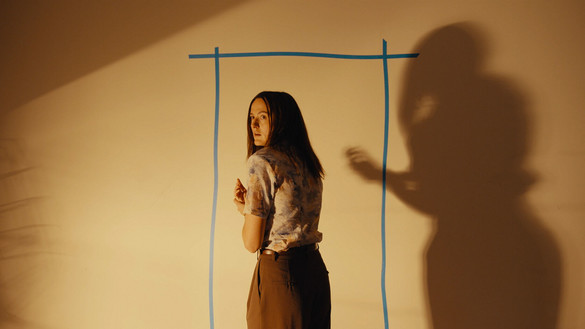
Backrooms: From Internet Horror Short to Feature Film
The internet horror phenomenon known as “Backrooms” has transitioned from a teenager’s bedroom project into a feature-length film. Originally created by a young filmmaker who built a following through anime fan films and a viral web series, the project secured a production deal to expand its internet-born mythology into a cinematic release. The film, directed by Parsons and written with Will Soodik, stars Chiwetel Ejiofor as Clark, an unsuccessful architect who discovers a portal to the Backrooms in the basement of a furniture store.
Did You Know? The visual origin of the “Backrooms” phenomenon dates back to a 2002 photograph of a vacant furniture store in Oshkosh, Wisconsin, which was later posted to the imageboard 4chan in May 2019.
The Evolution of the Backrooms Mythology
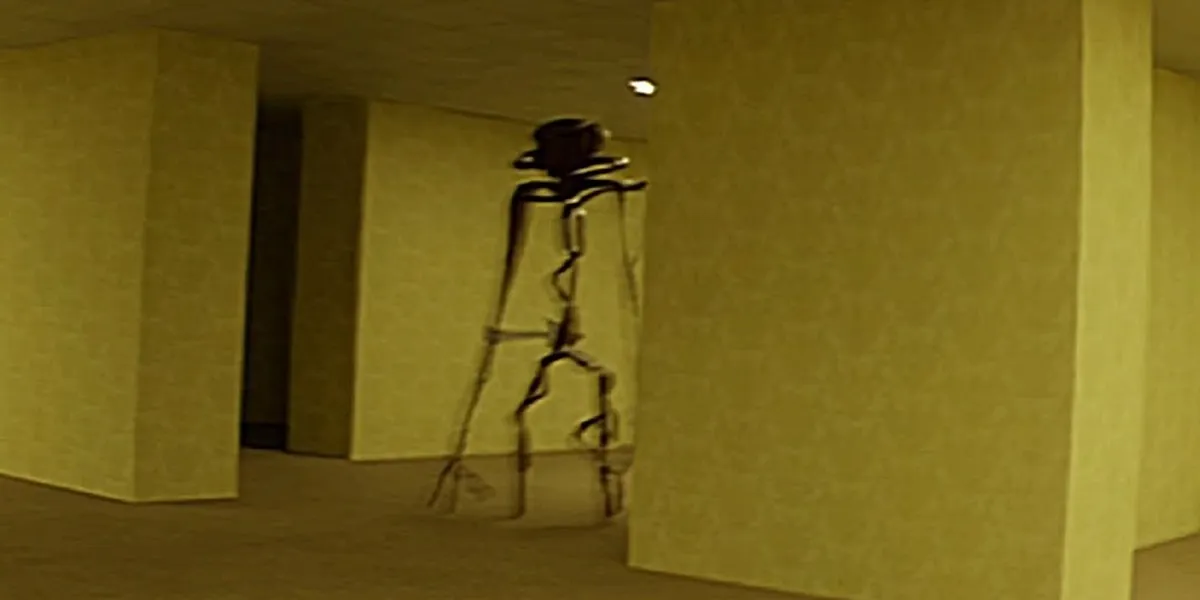
The Backrooms began as a collective internet project after a 2019 request on 4chan for “disturbing images that feel off.” This sparked a widespread mythology centered on a parallel dimension composed of empty, yellow-hued rooms inhabited by unknown entities. While the film incorporates these established horror tropes, it introduces a 1990s setting where the protagonist, Clark, finds himself trapped after living in the very furniture store that serves as the gateway. His disappearance prompts his therapist, Dr. Mary Kline, played by Renate Reinsve, to investigate the mystery.

Psychological Foundations and Cinematic Style
Expert Insight: Samantha Carter notes that the film leans heavily on the concept of kenophobia—the irrational fear of expansive, empty spaces—to create tension. By utilizing wide-angle shots of desolate parking lots and unsettling camera angles, the production attempts to mirror the feeling of “liminal spaces” and the “uncanny valley,” suggesting that the real world itself might be a flawed simulation.
The film attempts to bridge the gap between short-form internet horror and traditional cinema. To sustain a feature-length runtime, Parsons incorporates influences from genre staples such as The Shining and The Texas Chainsaw Massacre. While some critics may view these additions as an attempt to pad a compact concept, the filmmakers focus the narrative on the idea that the Backrooms feed on the individual traumas of those who enter them.
Future Projections for Internet-to-Film Adaptations
The success of this transition could indicate a growing trend in the industry where digital creators are tapped to adapt grassroots internet myths for larger audiences. If the film performs well with its target demographic, it is possible that other viral web series will receive similar development offers. However, the challenge remains in maintaining the “off-putting” atmosphere of short-form internet content when scaled to a full-length feature, as the production must balance original, abstract horror with the more conventional requirements of commercial monster-based cinema.
Frequently Asked Questions
What is the premise of the Backrooms film?
The film follows an unsuccessful architect in the 1990s who lives in a furniture store. After discovering a portal in the basement, he becomes trapped in a dimension of empty, yellow rooms, leading his therapist to begin an investigation.
Where did the concept for the Backrooms originate?
The concept originated from a 2002 photograph of a furniture store in Oshkosh, which was posted to 4chan in 2019. Users developed a mythology around the image, describing a parallel dimension of empty spaces and lurking entities.
How does the film handle the transition from a short film to a feature?
To fill the runtime of a feature film, the creators incorporated elements of classic horror cinema, including references to The Shining and The Texas Chainsaw Massacre, while focusing on the theme of the Backrooms as a manifestation of the characters’ personal trauma.
Do you believe that digital horror stories lose their effectiveness when they are adapted into traditional, feature-length films?