
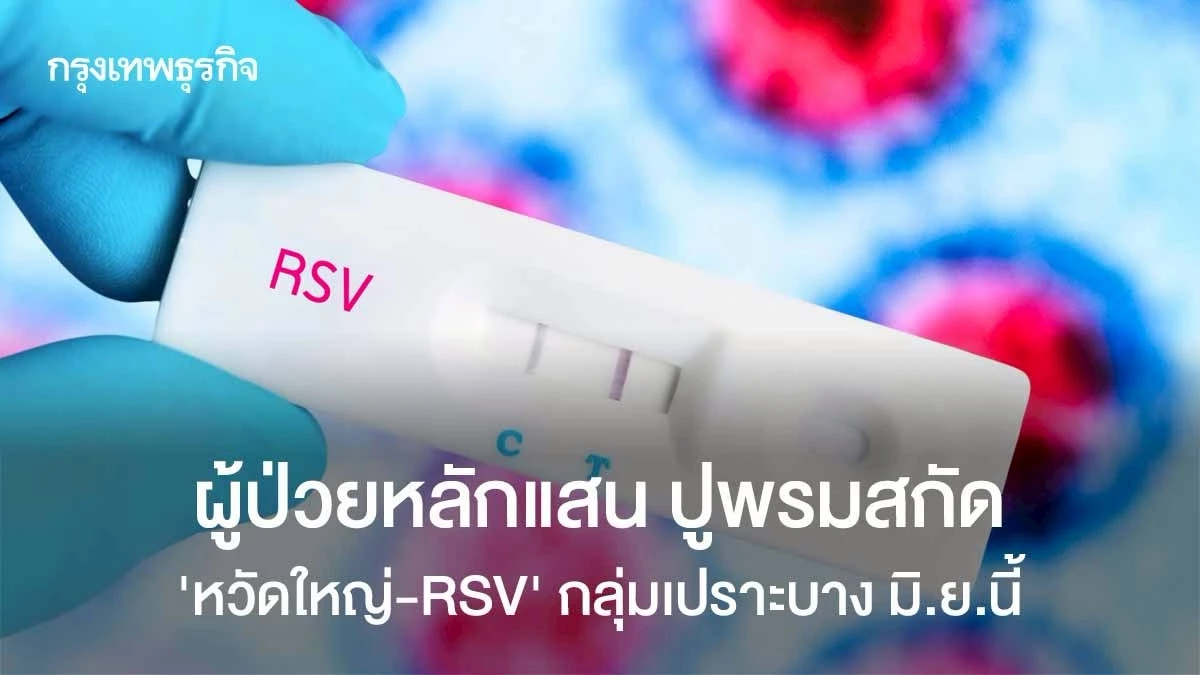
Bangkok Boosts Influenza and RSV Immunization for Vulnerable Groups
Thailand is intensifying its defenses against respiratory threats after reporting over 137,276 influenza cases and 8 deaths in the first quarter of 2026, according to the Department of Disease Control. To combat this, the Bangkok Metropolitan Administration (BMA) and the Department of Medical Services are implementing a “Life-course Immunization” strategy to protect infants and the elderly through targeted medical innovations and expanded clinic access.
Why are respiratory infections surging in Thailand?
High population density in Bangkok makes the city a hotspot for rapid viral spread. In 2025, Bangkok ranked third nationwide for influenza rates, leaving the city particularly vulnerable during the rainy season.
The burden is heaviest for two groups. Adults aged 60 and over with chronic illnesses face the highest mortality rates due to immunosenescence, which can trigger severe pneumonia. Meanwhile, children under two are battling RSV, with nearly 47,000 infections and 7 deaths recorded in 2025.
How is Bangkok transforming its healthcare access?
Dr. Lertluck Leelarungsang, Deputy Permanent Secretary for the BMA, is driving the “Bangkok Healthy City” initiative. This policy uses a “9 aspects, 9 good” framework to push healthcare directly into communities.
The city is integrating eight health zones to link primary care with community services. As part of this rollout, the BMA is piloting Wellness Clinics within seven Super Clinics located near BTS transit lines to speed up public access to preventive care.
Additionally, the BMA is offering free influenza vaccinations for seven high-risk groups at 69 health centers from May 1 to August 31, 2026.
What are the new medical innovations for vulnerable groups?
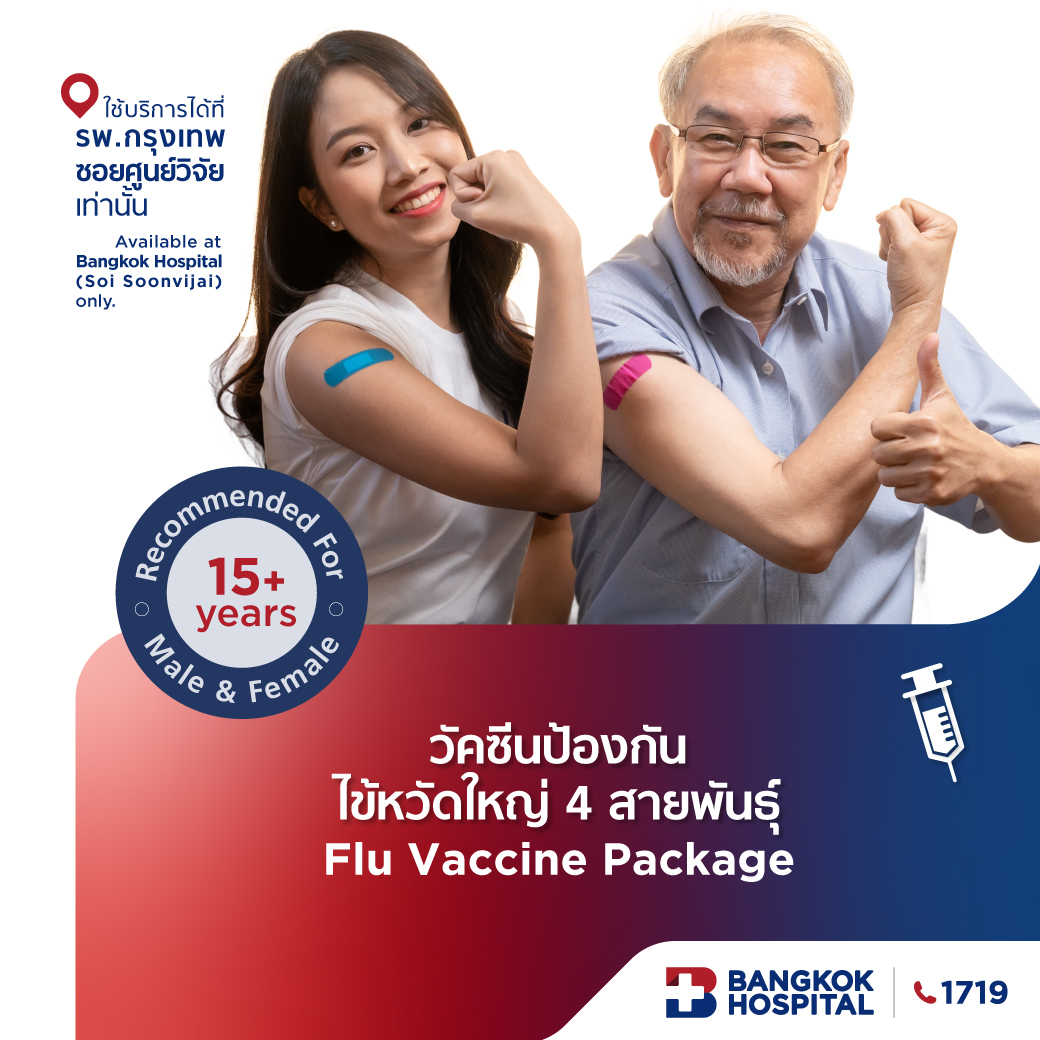
Medical experts are shifting toward “High-Dose” influenza vaccines for those 60 and older. These vaccines contain four times the standard amount of antigen to counter declining immunity in seniors.
According to clinical data, this high-dose version increases infection prevention by 24.2% and slashes all-cause mortality by 48.9% compared to standard shots. It also reduces hospitalizations from pneumonia or flu by 64.4%.
For infants, where no direct vaccine exists, Thailand is utilizing “RSV ready-made immunity.” The Munro 2025 study indicates this treatment can reduce RSV-related hospitalizations by 82.7% and ICU admissions by 75.3%.
What happens next for Thailand’s public health?
The Department of Medical Services may further expand specialized care through the Somdet Phra Sangkharat Yan Sangworn Institute’s alternative vaccine center. A new Vaccination Center at Rajavithi Hospital is scheduled to open in June 2026.
Digital integration is also likely to play a larger role. The ‘Moh Prompt’ application may be upgraded to better track vaccination histories, which could allow for more efficient and equitable access to preventive services across the population.
Frequently Asked Questions
Who is most at risk for severe influenza in Thailand?
Adults aged 60 and older with chronic underlying diseases are the highest risk group and have the highest mortality rates.
What is the peak season for RSV in Thailand?
RSV typically spreads most severely during the rainy season, specifically from June to November each year.
How does the high-dose flu vaccine differ from the standard one?
The high-dose vaccine contains four times the amount of antigen, which is specifically designed to be more effective for the immune systems of people aged 60 and above.
Do you believe targeted “Wellness Clinics” near public transit will significantly increase vaccination rates in dense cities?