
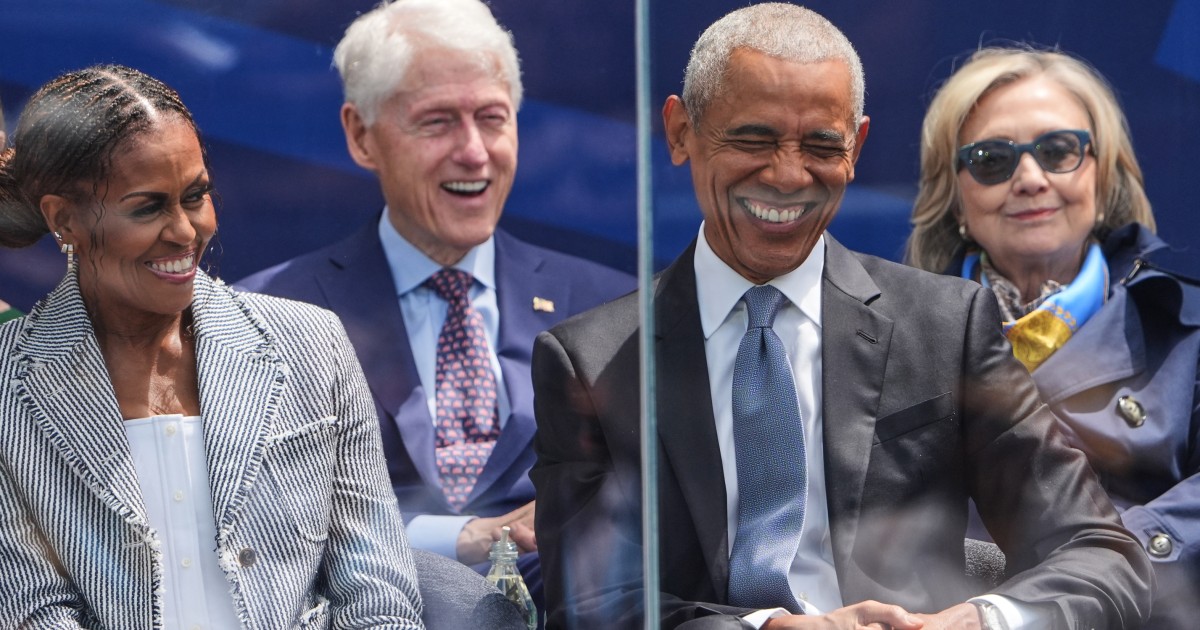
Barack Obama Inaugurates Presidential Center in Chicago
Former President Barack Obama opened the Obama Presidential Center in Chicago on June 18, 2026, calling for the defense of democracy. According to the Associated Press, the $850 million facility is designed as a civic resource rather than a personal monument, with expectations to attract over one million visitors annually to its 20-acre campus.
Why is the Obama Presidential Center shifting the model of presidential legacies?
The center moves away from the traditional “monument” style of presidential libraries. Valerie Jarrett, CEO of the Obama Foundation and former senior advisor to Obama, stated the facility is a “tribute to all those who made this path possible” rather than a monument to the Obamas themselves, according to the Associated Press.
This shift emphasizes community utility over archival storage. The 20-acre site integrates into the Chicago neighborhood where Obama lived and launched his political career. By focusing on “shared responsibilities as citizens,” the center aims to function as an active site for civic engagement.
How does the center address growing political polarization?
Barack Obama used the opening to acknowledge the deepening divide in American politics. He cited the increase in “resentment and distrust” between political parties as one of the few regrets of his presidency, according to reports from the Associated Press.

To counter this, the center includes exhibits that reflect “unfinished business,” including Obama’s own “deficiencies and errors.” The goal is to foster honesty and integrity across party lines. Obama specifically praised the values of Republicans John McCain and Mitt Romney, calling those shared values the nation’s “greatest legacy.”
What role does the center play in future civic engagement?
Michelle Obama described the center as a “respite” during “times of anxiety and division.” The facility’s design and purpose suggest a trend toward creating physical spaces that combat political cynicism through accessibility and art.
The opening event highlighted this through a blend of political leadership and cultural influence. The Associated Press noted the presence of civil rights leaders Andrew Young and Al Sharpton, alongside global figures like former German Chancellor Angela Merkel and former Canadian Prime Minister Justin Trudeau. This suggests a strategy of using “soft power” and cultural prestige—represented by performers like Bruce Springsteen and Stevie Wonder—to draw people back into a shared democratic conversation.
How do different political figures view the project’s value?
The project has become a flashpoint for contrasting political views on public spending and legacy. Donald Trump described the $850 million center as a “total disaster” in a February social media post, according to the Associated Press.
Conversely, Obama framed the center as an “expression of gratitude” to the people of Chicago. While Trump focused on the financial cost, the Obama administration focused on the social return, citing the center’s potential to serve as a hub for leadership and civic education.
Comparison of Perspectives on the Center
| Perspective | Core Argument | Source |
|---|---|---|
| Donald Trump | Financial “total disaster” | Social Media (via AP) |
| Barack Obama | Civic gratitude and democratic defense | Opening Speech (via AP) |
| Valerie Jarrett | Tribute to collective effort, not a monument | Official Statement (via AP) |
Frequently Asked Questions
When did the Obama Presidential Center open?
The center officially opened on June 18, 2026, in Chicago.
How much did the center cost?
According to a social media post by Donald Trump cited by the Associated Press, the center cost $850 million.
Who attended the opening ceremony?
The event featured former presidents Joe Biden, George W. Bush, and Bill Clinton, as well as global leaders like Angela Merkel and Justin Trudeau.
What is the main goal of the center?
The center aims to reaffirm the value of democracy and serve as a tribute to civic responsibility rather than a personal monument to the Obama family.
What do you think about the shift from traditional presidential libraries to interactive civic centers? Share your thoughts in the comments below or subscribe to our newsletter for more updates on political legacies.