

SesquiDonatón UNI 2026: 183 Blood Donations Save Hundreds of Lives
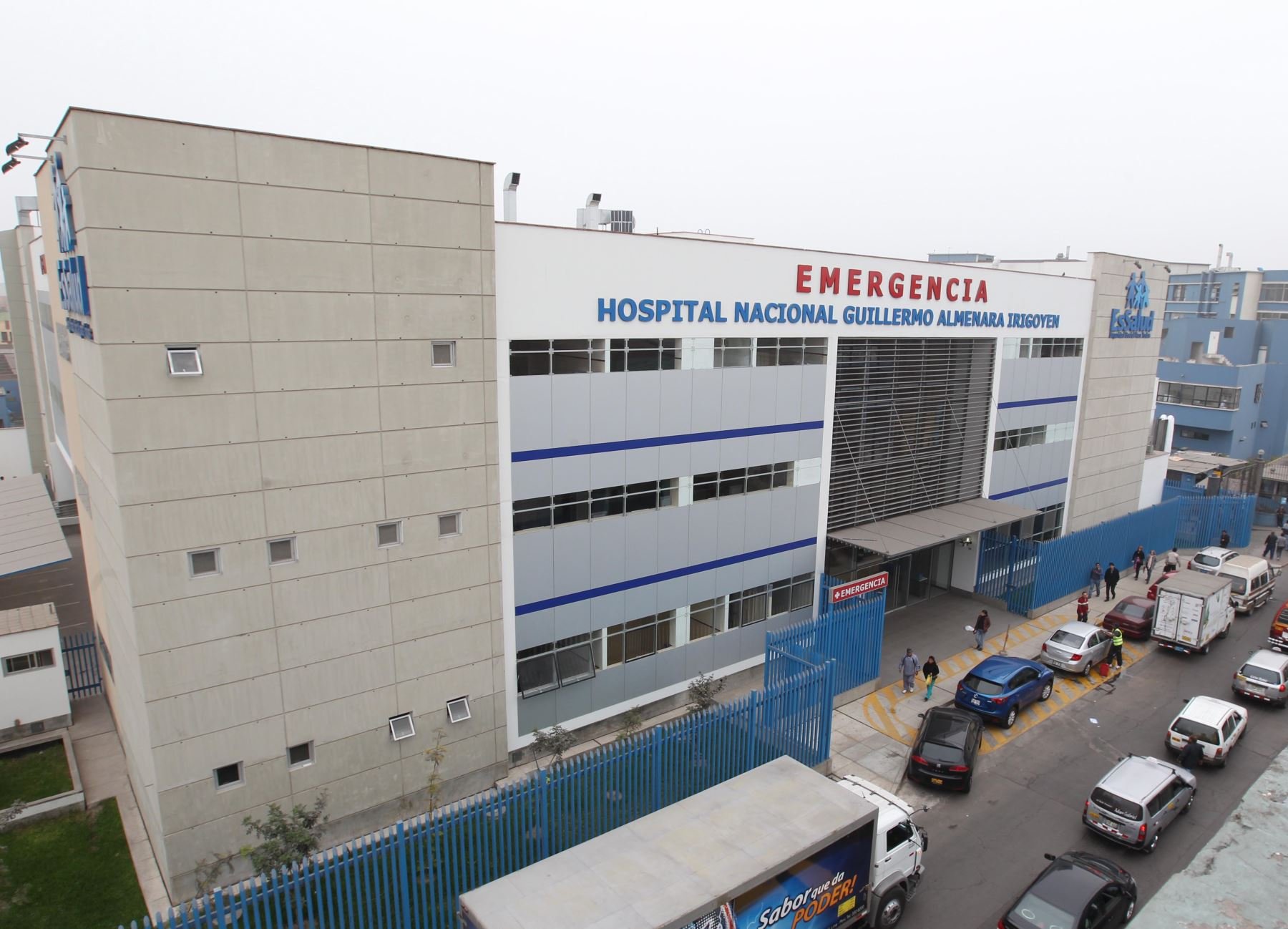
The SesquiDonatón UNI 2026 blood drive resulted in 183 effective donations, benefiting approximately 549 patients, according to the Universidad Nacional de Ingeniería. The initiative provided 113 donors for the Hospital Nacional Guillermo Almenara Irigoyen and 70 units for the Instituto Nacional de Salud del Niño San Borja.
Why did the blood drive impact so many patients?
The campaign’s impact was multiplied because each unit of blood is fractionated into red blood cells, plasma, and platelets. According to the university, this process allows a single donation to assist up to three different people.
Who organized the SesquiDonatón UNI 2026?
The Dirección de Responsabilidad Social y Desarrollo Sostenible organized the event through the Unidad de Desarrollo Sostenible. They worked in coordination with the Dirección de Bienestar Universitario as part of the activities for the Sesquicentenario de la UNI.
Students, faculty, and staff participated in the drive. The university stated these participants reaffirmed their commitment to promoting voluntary blood donation and supporting patients who require transfusions.
How was the university community prepared to donate?
Volunteers from the Sesquicentenario and the Programa de Gestión Sostenible del Campus led the effort. They distributed informative materials, conducted campus tours, and used social media in partnership with student groups to raise awareness.

The university also implemented the “Embajadores de la Donación Voluntaria de Sangre 2026” course. This training was designed to prepare volunteers and encourage a culture of responsible donation.
To increase participation, organizers held integration activities, contests, and awareness sessions. These efforts were intended to familiarize the community with the donation experience and highlight its impact on national hospitals.
What could this mean for future public health efforts?
The response from the university community may serve as a model for how organized participation can strengthen public health. Future initiatives could potentially build on this framework to establish a permanent culture of social responsibility and aid.
Frequently Asked Questions
- How many patients were helped by the SesquiDonatón UNI 2026? Approximately 549 patients were benefited by the 183 effective donations.
- Which hospitals received the donated blood? 113 donors were registered for the Hospital Nacional Guillermo Almenara Irigoyen and 70 units were provided to the Instituto Nacional de Salud del Niño San Borja.
- How did the university prepare its volunteers? Volunteers completed the “Embajadores de la Donación Voluntaria de Sangre 2026” course to strengthen their preparation and promote responsible donation.
How can university-led initiatives better support national blood banks throughout the year?