

Batam Health Office Urges Regular Health Check-Ups for Early Disease Detection
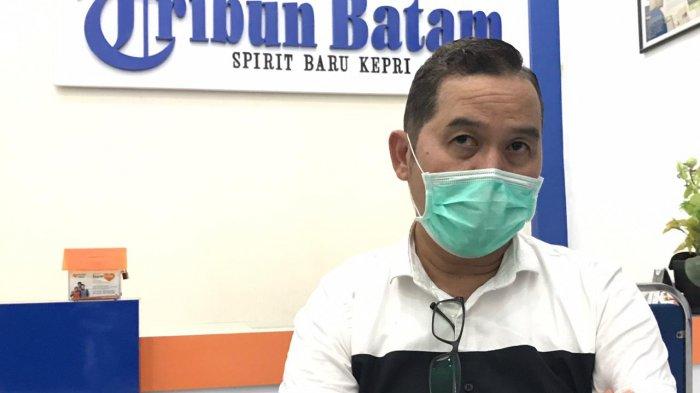
Didi Kusmarjadi, Head of the Batam Health Office, is urging the public to undergo regular health screenings to detect diseases like diabetes and hypertension before symptoms appear. According to Kusmarjadi, early detection through medical check-ups can lead to easier treatment, lower medical costs, and improved recovery rates.
Why are regular health check-ups necessary?
Many people only visit health facilities after they feel sick or experience specific complaints. Kusmarjadi warns that this reactive approach is risky because several serious conditions often develop without early symptoms.
These “silent” diseases include diabetes, hypertension, high cholesterol, heart disorders, and kidney disease. Because these conditions can progress slowly without clear signs, feeling healthy does not always mean the body is free of risk.
What happens during a comprehensive medical check-up?
A medical check-up (MCU) isn’t just for the sick. According to Kusmarjadi, these exams should be done while a person feels healthy to identify risk factors early.
Standard screenings generally include tests for blood pressure, blood sugar levels, and cholesterol. They also cover heart examinations and the evaluation of liver and kidney functions, with additional tests tailored to an individual’s age and specific risk factors.
How can these results improve daily life?
Screening results serve as a tool for evaluating and improving lifestyle choices. Kusmarjadi suggests using this data to adjust eating habits, increase physical activity, and reduce the intake of excess salt and sugar.
The findings also provide a critical prompt for those who need to stop smoking. He emphasizes that health is a long-term investment, and knowing one’s condition early is better than handling a disease too late.
What are the recommendations for frequency and access?
Kusmarjadi recommends that people utilize health services available at hospitals and puskesmas (community health centers). He suggests these screenings be performed at least once a year.
This annual frequency is especially critical for individuals with a family history of illness or those with risk factors for non-communicable diseases. These steps are described not as formalities, but as essential measures to maintain quality of life.
What may happen next for public health in Batam?
If more residents adopt this preventative mindset, the community may see a decrease in advanced-stage disease cases. A shift toward annual screenings could lead to a higher percentage of early-stage diagnoses, which are typically easier to treat.
Increased utilization of puskesmas for MCU services may also result in more citizens actively modifying their diets and exercise habits based on clinical data.
Frequently Asked Questions
Why should I get a check-up if I feel healthy?
According to Didi Kusmarjadi, many diseases like hypertension and diabetes develop slowly without clear symptoms, so screenings are needed to detect them early.
What specific tests are usually included in a regular health screening?
Common tests include blood pressure, blood sugar, cholesterol, heart exams, and liver and kidney function tests.
How often should health screenings be conducted?
It is recommended to have a health check-up at least once a year, particularly for those with family medical histories or risk factors for non-communicable diseases.
Do you prioritize annual health screenings, or do you typically wait for symptoms to appear before visiting a doctor?