

Beijing’s Security Reforms Risk Complicating Global Growth for Chinese Firms
Beijing has announced new measures—citing national security—as a potential roadblock for Chinese companies seeking expansion abroad. The move, framed as necessary to protect domestic interests, introduces an additional layer of complexity for firms already navigating geopolitical tensions and regulatory scrutiny in overseas markets.
What Just Happened?
Chinese authorities have signaled that upcoming changes are being implemented under the banner of national security. While specifics remain unconfirmed, the framing suggests these adjustments could impact how Chinese corporations operate internationally, particularly in sectors tied to technology, data, or strategic assets.
The decision reflects a broader trend of tightening controls on capital and corporate activity, a strategy that has been observed in recent years as China balances economic growth with sovereignty concerns. For multinational enterprises with deep ties to China, the announcement introduces uncertainty about compliance costs, operational flexibility, and market access.
Why Does This Matter?
The implications are twofold. First, for Chinese companies, the changes could complicate their ability to secure partnerships, licenses, or regulatory approvals in key markets. Growth strategies reliant on overseas operations—such as acquisitions, joint ventures, or supply chain expansions—may now face heightened scrutiny, delaying or derailing plans.
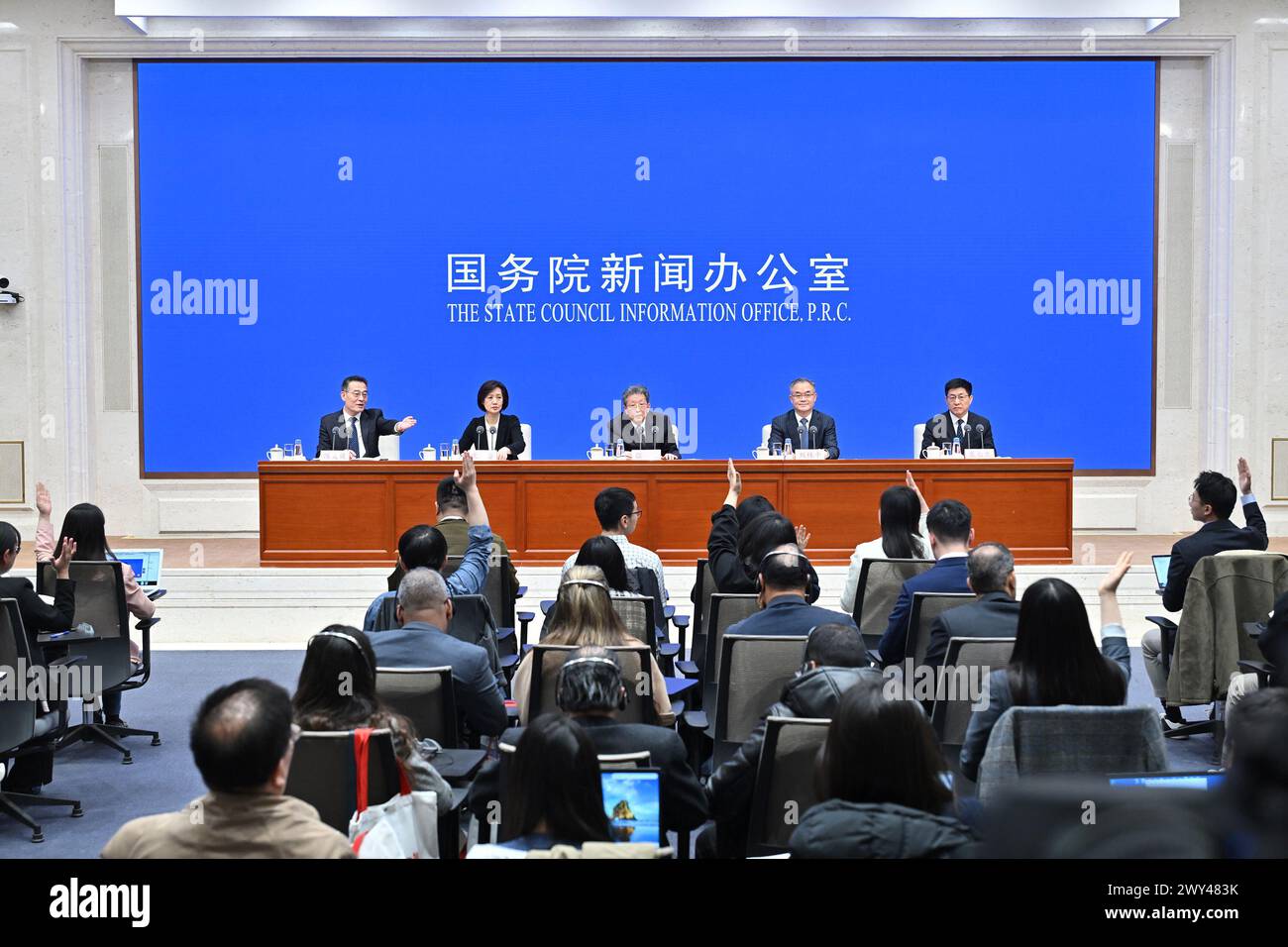
Second, the move underscores the growing friction between China’s economic ambitions and its geopolitical posture. While Beijing emphasizes security, foreign governments and businesses may interpret the shift as protectionism, potentially escalating trade tensions or prompting retaliatory measures. For industries like tech, where cross-border collaboration is critical, the ripple effects could be particularly pronounced.
What Could Happen Next?
Several scenarios may unfold. Chinese firms could accelerate overseas expansions in markets perceived as less risky, prioritizing regions with fewer regulatory hurdles or stronger diplomatic ties. Alternatively, some may pivot to domestic consolidation, redirecting resources toward securing market share at home.
Foreign governments may respond with their own safeguards, such as stricter vetting of Chinese investments or export controls on sensitive technologies. This could trigger a cycle of reciprocal measures, further fragmenting global supply chains and increasing costs for all stakeholders.
Analysts expect Chinese regulators to provide clearer guidance in the coming months, but the lack of transparency could lead to prolonged uncertainty. Companies with international ambitions will likely adopt a wait-and-see approach, hedging bets by diversifying their geographic footprint or seeking alternative financing structures.
Frequently Asked Questions
Are these changes limited to specific industries?
The source does not specify targeted sectors, but historical patterns suggest technology, data, and infrastructure—areas critical to national security—are most likely to be affected.
How might foreign companies be impacted?
While the announcement focuses on Chinese firms, foreign partners or investors could face indirect consequences, such as delays in joint ventures or increased compliance burdens tied to Chinese operations.
Could this lead to trade conflicts?
The framing of national security often precedes retaliatory measures. If foreign governments perceive the changes as protectionist, trade disputes or investment restrictions could escalate, particularly in sectors like semiconductors or critical minerals.
As Chinese companies navigate these shifts, how might their strategies evolve to balance growth and compliance in an increasingly fragmented global economy?