

Best Chinese Restaurants in 50 Major US Cities
Stacker identified the top Chinese restaurants in 50 major U.S. cities using Yelp data as of September 2025. The selection process prioritized restaurants with at least 500 reviews, though thresholds were lowered to 250 or 50 in cities where fewer establishments met the initial criteria.
The data highlights a diverse range of dining experiences, from refined chef-driven establishments to humble takeout counters. According to the report, these restaurants often serve as community anchors that balance authenticity with innovation.
How were the best Chinese restaurants determined?
Stacker compiled the list by analyzing Yelp ratings and review counts. A restaurant typically required a minimum of 500 votes to be considered for the ranking.
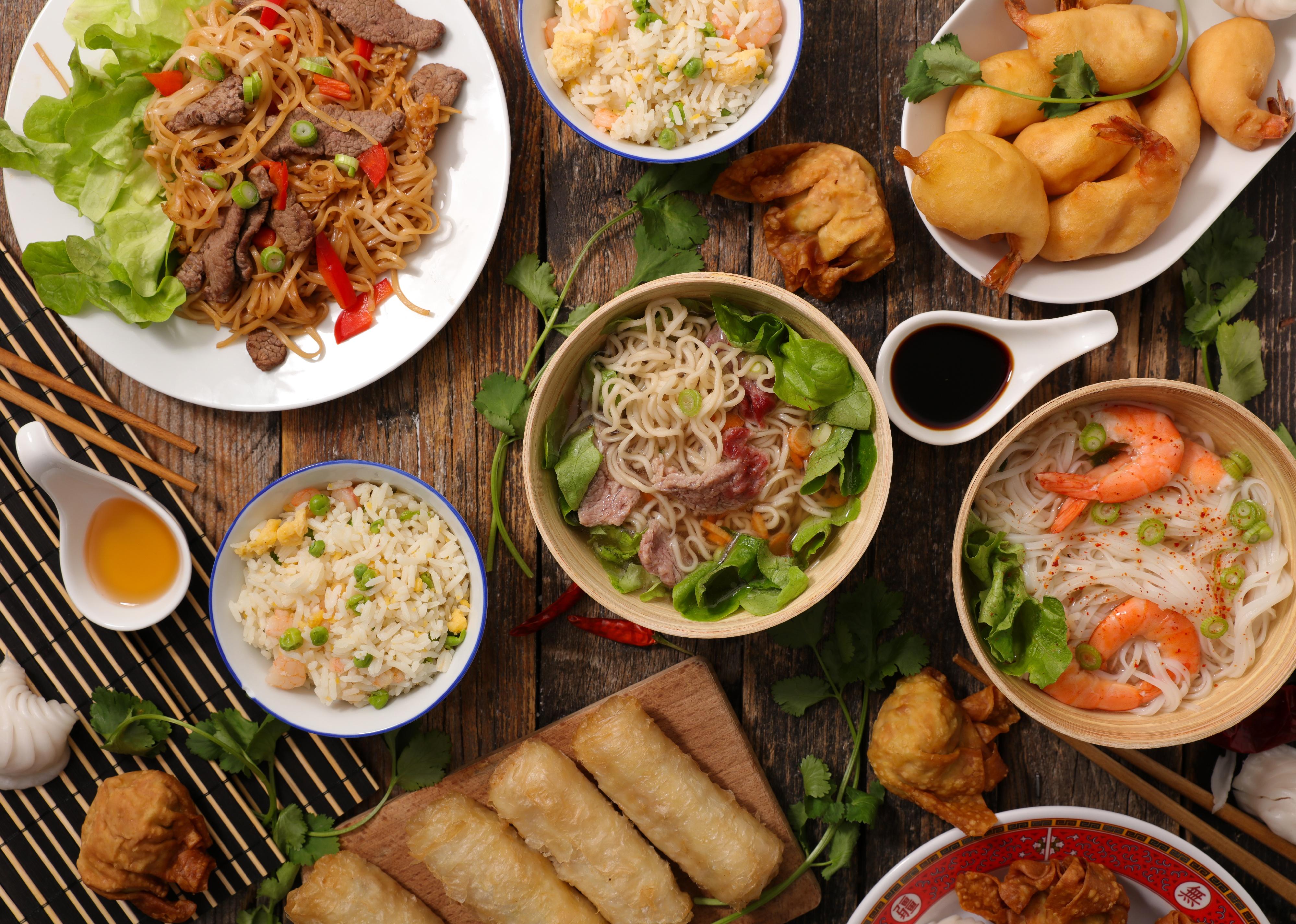
In cities where fewer than three restaurants met the 500-vote mark, the threshold was lowered to 250. If still insufficient, the minimum requirement dropped to 50 votes.
Which cities have the highest-rated Chinese dining options?
The rankings show significant variation in ratings and popularity across the country. In Austin, 1618 Asian Fusion holds a 4.7 rating with 4,082 reviews, while Raleigh’s Brewery Bhavana has a 4.4 rating from 1,608 reviews.
Other high-volume establishments include Singing Pandas Asian Restaurant & Bar in Phoenix, which holds a 4.5 rating from 1,155 reviews, and Sichuan House in San Antonio with 1,188 reviews and a 4.4 rating.
Regional specialties vary by city. San Francisco maintains a tradition of dim sum, Los Angeles is noted for Cantonese seafood palaces, and New York City features Sichuan and Xi’an flavors.
What is the historical significance of Chinese cuisine in the U.S.?
Early Chinese cooks adapted regional flavors to available American ingredients, which led to the creation of dishes like chop suey and chow mein. These became some of the first “ethnic” comfort foods in the United States, according to the source.
Over several generations, these establishments evolved into spaces providing a sense of belonging and a taste of home for immigrants in a foreign land.
What may happen next for these establishments?
The continued balance between heritage and creativity could lead to more regional specialization in smaller cities. Establishments may further evolve their menus to blend traditional Sichuan, Hunan, or Cantonese roots with local American palates.
As consumer preferences shift, restaurants may see a possible next step in diversifying their categories, as seen in the current variety of “Asian Fusion,” “Pan Asian,” and “Noodle” specializations across the 50 cities.
Frequently Asked Questions
What criteria did Stacker use for the restaurant list?
The list used Yelp data from September 2025, requiring at least 500 votes per restaurant, with lower thresholds of 250 or 50 used in cities with fewer qualifying options.
What are some examples of early Chinese-American comfort foods?
Early cooks created dishes such as chop suey and chow mein by adapting familiar flavors to unfamiliar resources.
Which regional cuisines were brought to the U.S. by immigrants?
Immigrants brought regional cuisines including Cantonese, Sichuan, and Hunan.
Which of these regional styles—Cantonese, Sichuan, or Hunan—do you prefer in your local dining options?