
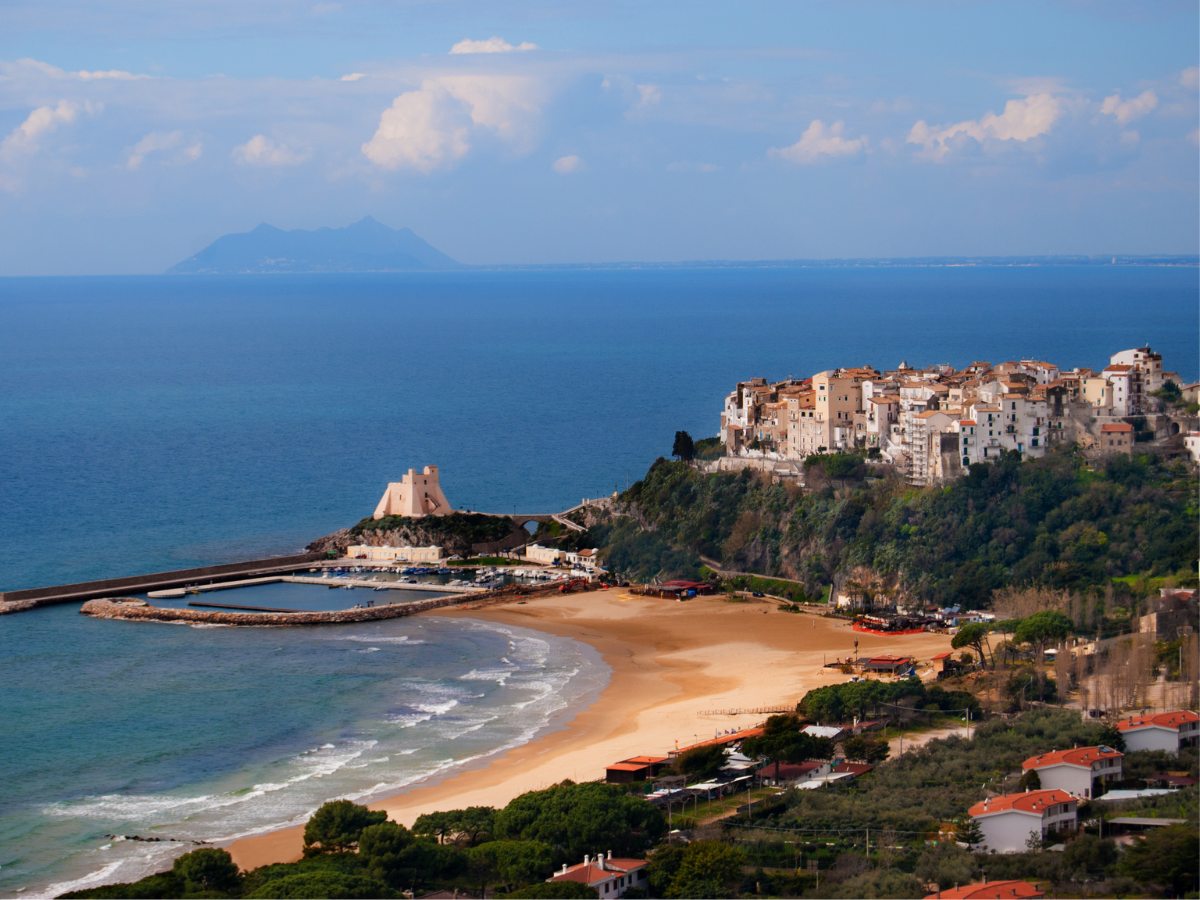
Best European Coastlines for Swimming
CV Villas analysts ranked Europe’s best swimming coastlines based on sea temperature, wind speed, and UV intensity. The study identifies Sperlonga, Cefalù, Elounda, Costa Adeje, Antibes, and Dubrovnik as top destinations, prioritizing waters that align with World Health Organization (WHO) comfort thresholds of 26 to 30 degrees Celsius.
Why are these specific European coastlines better for swimming?
CV Villas used a scoring system up to 100 points to determine destination quality. Analysts measured sea temperatures against the WHO’s 26-30 degree Celsius “well-being” threshold. They also factored in cloud cover, UV intensity, and wind speeds to find the most stable environments for swimmers.
The results highlight a clear preference for Mediterranean and subtropical climates. These regions offer a combination of thermal stability and geographic protection that minimizes the risks of cold currents or turbulent waves.
Which destinations offer the calmest waters?
Geography plays a critical role in water stability. According to the CV Villas report, different regions achieve “flat” water through different natural mechanisms.
Natural Shields and Gulfs
In Greece, Elounda’s bay acts as a protected gulf. This structure blocks the primary winds of the Aegean Sea, creating what analysts describe as a “natural pool” with high visibility of the sandy bottom.
Dubrovnik, Croatia, relies on a different shield. The Dalmatian islands protect the shoreline from storm winds, ensuring the Adriatic’s surface remains calm and transparent well into late autumn.
Inlets and Slopes
Antibes, France, features protected inlets that prevent open-sea currents from entering, resulting in a flat water surface. Meanwhile, Sperlonga, Italy, is noted for its gently sloping seabed and weak currents, which protect the shore from colder water masses.
How does climate affect the swimming season length?
Thermal stability allows some regions to extend their beach seasons far beyond the traditional summer window. CV Villas data shows a sharp contrast between seasonal Mediterranean spots and subtropical zones.
Costa Adeje in Tenerife, Spain, benefits from a subtropical climate. Rerecorded data indicates extremely low cloud cover and stable temperatures year-round. This allows swimmers to use the beaches even during the traditional “off-season.”
In Sicily, Cefalù leverages constant sunshine to prolong its swimming season. The combination of a honey-colored historic center and exceptionally warm sea temperatures keeps the water inviting for several months.
Comparing European Swimming Hubs
While all six locations scored highly, they offer different advantages based on the CV Villas metrics:
- For Year-Round Access: Costa Adeje leads due to its subtropical stability.
- For Water Clarity: Dubrovnik and Elounda provide the highest transparency and visibility.
- For Family Safety: Sperlonga and Antibes offer the most protection from strong currents and deep drops.
Frequently Asked Questions
What is the ideal sea temperature for swimming?
According to the World Health Organization guidelines used by CV Villas, the ideal temperature for swimmer well-being is between 26 and 30 degrees Celsius.
Which European beach is best for autumn swimming?
Costa Adeje in Spain and Dubrovnik in Croatia are highlighted for maintaining stable, warm temperatures into the autumn months.
Where can I find the calmest waters in Europe?
Elounda (Greece) and Antibes (France) are specifically noted for their protected bays and inlets that block wind and open-sea currents.
Which of these coastlines is on your travel list? Tell us in the comments below or subscribe to our newsletter for more data-driven travel guides.