
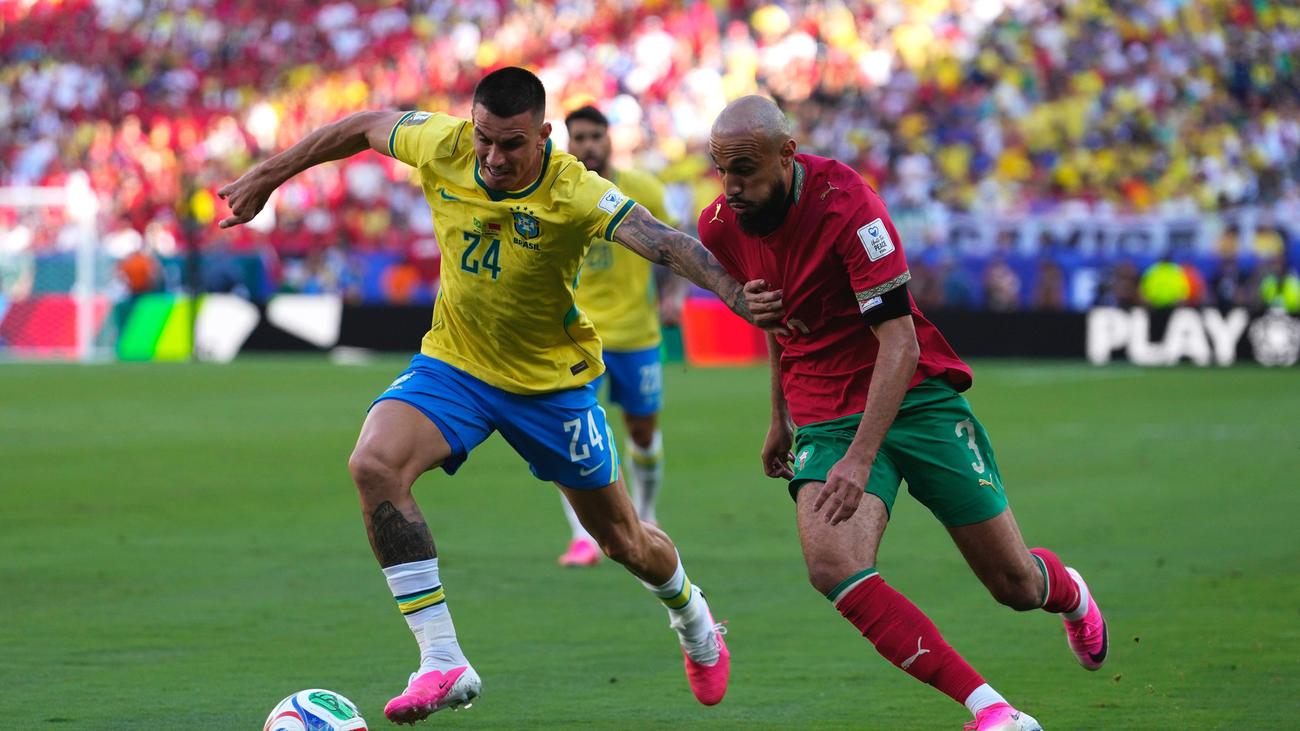
Brazil and Morocco Draw 1-1 in World Cup 2026 Opener
Brazil and Morocco played to a 1-1 draw in their 2026 World Cup Group C opener at MetLife Stadium, according to match reports. The result extends Brazil’s unbeaten streak in opening matches to 21 games, dating back to 1934, while highlighting Morocco’s ability to challenge traditional football elites on a global stage.
Why does the Brazil-Morocco draw signal a shift in global football?
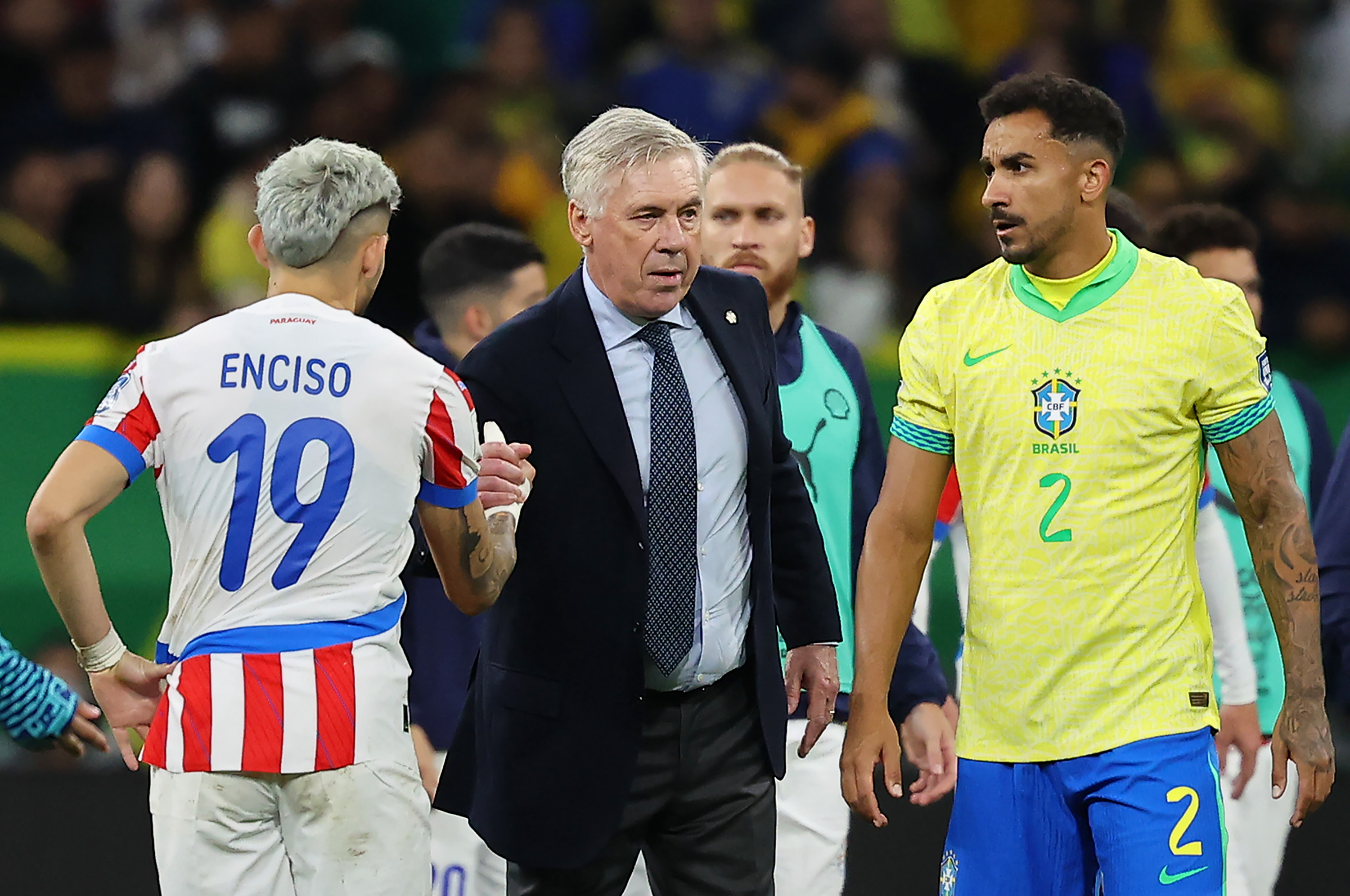
The 1-1 result in East Rutherford proves that the gap between traditional “powerhouses” and emerging nations has closed. Morocco took the lead in the 21st minute through a lob from Ismael Saibari, showing a level of tactical confidence that previously belonged only to the elite. Brazil struggled to dictate the tempo, a fact confirmed by coach Carlo Ancelotti, who admitted after the match that his team had “no grip on the game” during the first half.
This trend reflects a broader evolution in international football. Teams from Africa and Asia are no longer playing for “moral victories.” They are utilizing European-based talent—such as Frankfurt’s Amaimouni-Echghouyab, who nearly scored a 90+9 minute winner—to implement high-pressure systems that neutralize superstars like Vinícius Júnior.
While Vinícius Júnior secured the equalizer in the 32nd minute after a strong individual run, the match was largely a stalemate. The second half saw both teams prioritize risk aversion over aggression. This tactical caution suggests that in an expanded World Cup format, teams are increasingly playing to “not lose” in the opening stages to ensure progression.
How does Brazil’s historical streak affect their current pressure?
Brazil’s 21-game unbeaten run in opening matches provides a psychological safety net, but it also creates a rigid expectation of perfection. According to the match data, the 1-1 draw is a statistical success but a performance concern. Carlo Ancelotti was blunt in his assessment, stating, “We must get better.”
The contrast between Brazil’s historical record and their actual performance in the first half reveals a vulnerability. Ancelotti noted that while the second half improved, the team lacked the “decisive drive toward the goal” in the closing stages. This suggests that the Seleção is currently relying more on individual brilliance—like that of Vinícius Júnior—than on a cohesive tactical system.
What happens next for Group C contenders?
The immediate future for both teams involves a sharp contrast in opposition. On June 20, Brazil faces Haiti, a team widely considered an underdog. Morocco will face Scotland on the same day. For Brazil, the Haiti match is a mandatory win to silence critics of Ancelotti’s early-tournament form.
For Morocco, the draw against Brazil serves as a massive confidence booster. Their ability to hold a world-class squad to a draw in front of 80,000 fans at the MetLife Stadium proves they can handle the scale of the 2026 tournament. If Morocco can maintain this defensive discipline against Scotland, they become legitimate dark-horse candidates for the knockout stages.
According to Ancelotti, the long-term view is what matters most: “You don’t win a World Cup with the first game.” This perspective shifts the focus from a single draw to the endurance required for an expanded tournament schedule.
Comparison: Historical Dominance vs. Current Reality
| Metric | Brazil’s Historical Trend | 2026 Opener Reality |
|---|---|---|
| Opening Match Record | Unbeaten since 1934 | Draw (Streak continues) |
| Game Control | Typically dominant | “No grip” in 1st half (Ancelotti) |
| Key Scoring Method | Systemic attack | Individual effort (Vinícius Jr.) |
Frequently Asked Questions
Who scored the goals in Brazil vs. Morocco?
Ismael Saibari scored for Morocco in the 21st minute, and Vinícius Júnior equalized for Brazil in the 32nd minute.
Where was the match played?
The game took place at the MetLife Stadium in East Rutherford, New York, with approximately 80,000 spectators in attendance.
When is Brazil’s next World Cup match?
Brazil plays against Haiti on June 20.
Who is the current coach of the Brazilian national team?
The team is led by 67-year-old Carlo Ancelotti.
Stay Ahead of the Game
Do you think Brazil’s struggle against Morocco is a fluke or a sign of a deeper problem? Let us know in the comments below or subscribe to our newsletter for daily World Cup analysis.