
Beyond Brexit and Trump: Why Ukraine Represents the New European Future
Ten years after the Brexit referendum and the election of Donald Trump, political analysts continue to evaluate the enduring impact of these events on global governance. According to commentary by Francesco Cundari, these two milestones represent facets of a shared phenomenon that remains influential in contemporary politics. While political movements in France and Italy once openly supported similar exits from the European Union, their current platforms reflect a shift in rhetoric without formal repudiation of their past positions.
Prominent political figures, including the Rassemblement National in France and populist movements in Italy like the Lega and the Five Star Movement, previously invoked the prospect of “Frexit” or similar departures from European institutions, mirroring the rhetoric that led to the 2016 Brexit referendum.
The Shift Toward European Integration
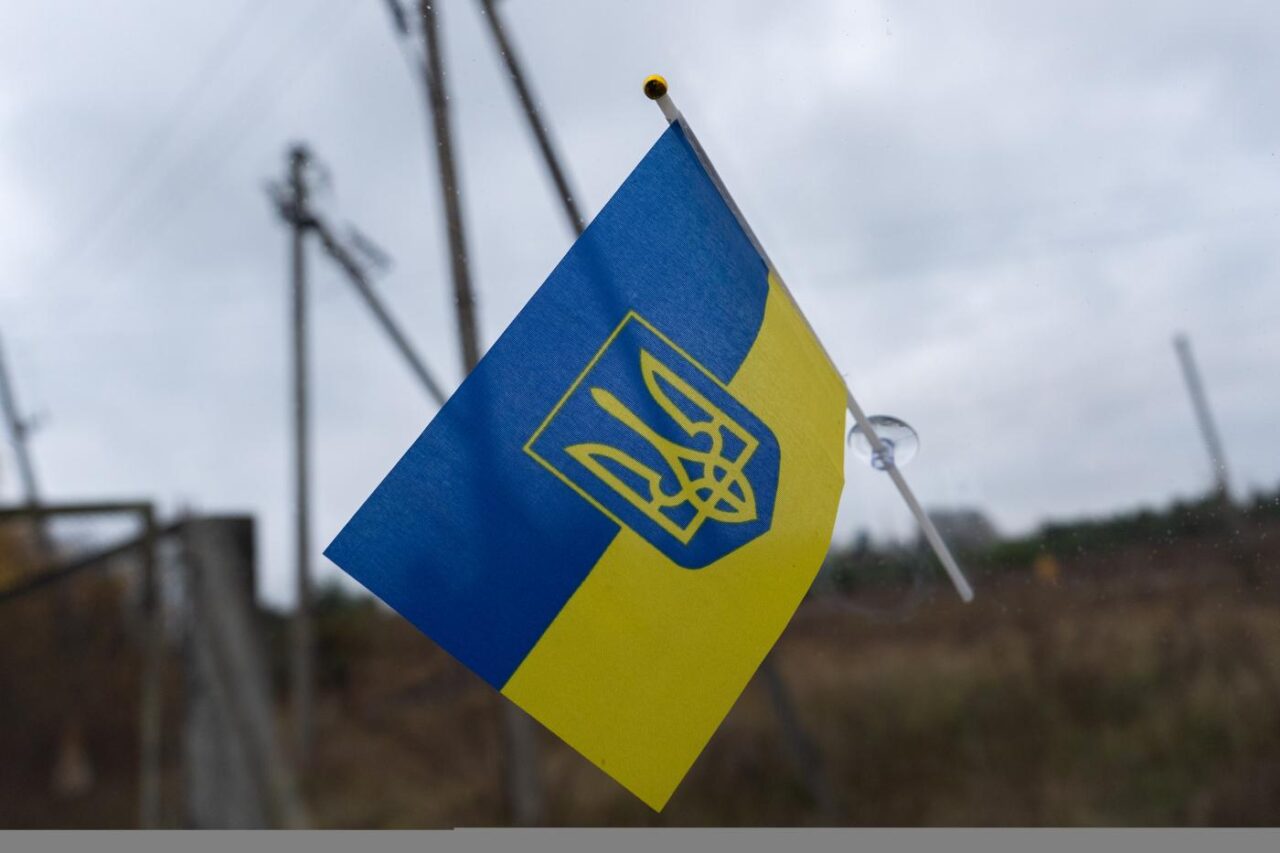
As the political landscape evolves, observers are identifying a potential counter-movement to the isolationist trends of the last decade. Cundari suggests that a conceptual opposite to Brexit is emerging in the form of “UkraIN,” characterizing the determined efforts of Ukraine to secure entry into the European Union. This process highlights a reversal in how democratic values are being asserted, contrasting the defensive stance of Western nations with the active, battlefield-tested resistance of Ukraine against Russian aggression.

The current geopolitical environment reveals a complex trade-off: while autocratic regimes have refined their ability to leverage soft power to influence democratic elections in the West, democratic states have simultaneously re-learned the necessity of defending their core values. The significance lies in the evolving tension between external influence on Western ballots and the tangible, military-backed commitment to European stability.
Future Implications for Democratic Processes
Analysts expect that the influence of autocratic regimes on Western electoral processes could remain a significant factor in upcoming political cycles. Because these regimes demonstrated an ability to impact referendum results and national elections in the United Kingdom and the United States in 2016, there is a possibility that similar dynamics could manifest in future contests, such as those in France. The long-term stability of the European project may depend on the continued support for nations like Ukraine, which serves as a test case for the resilience of democratic alliances against external pressure.
Frequently Asked Questions
What is the primary connection between Brexit and the rise of Donald Trump?
According to the analysis, both events are considered two sides of the same political phenomenon that has shaped global politics over the past decade.
Have political parties that once supported “Frexit” changed their positions?
While these groups no longer openly advocate for such exits, they have not issued formal apologies or engaged in self-criticism regarding their previous stances, leading to skepticism about their current pro-European rhetoric.
How does the situation in Ukraine relate to the aftermath of Brexit?
The struggle of Ukraine to enter the European Union is viewed as a “natural backlash” or a counter-phenomenon to the Brexit decision, highlighting a renewed commitment to democratic defense supported by European unity.
How do you assess the balance between internal political shifts and external influences in modern democracy?