

Beyond Sleep: The Seven Batteries Guide to Effective Recovery
Recovery is often misunderstood as a passive state of inactivity. However, public health researcher Lina Ejlertsson argues that true recovery is a dynamic process that extends far beyond simply sleeping or resting on a sofa.
According to Ejlertsson, relying solely on physical rest can be ineffective if the individual’s needs are not physical. Effective recovery requires a nuanced understanding of what is actually being depleted.
Debunking the Myths of Recovery
Ejlertsson identifies three persistent myths that hinder effective recovery. The first is the belief that recovery consists only of sleep or physical stillness.
The second myth is that recovery must be a large, time-consuming event. This mindset often leads individuals to push themselves until they reach a complete standstill, ignoring the power of small pauses.
The third misconception is treating recovery as a reward for a completed performance. Ejlertsson emphasizes that recovery must be woven into daily life as a consistent requirement rather than a prize.
The Seven-Battery Framework
Understanding which specific “battery” is drained allows for more targeted recovery. Because capacity varies by individual, there is no universal rulebook for how to recharge.
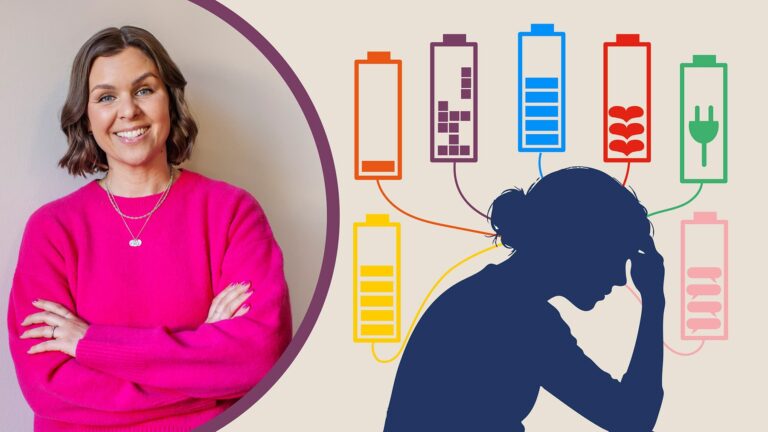
For some, daily meditation is essential for lowering stress hormones and increasing well-being. For others, different activities may be more effective, as recovery can be trained and developed over time.
Specialized Needs and NPF
The battery framework is particularly useful for individuals with autism or ADHD. For instance, those with autism may experience their sensory battery differently than others.
Ejlertsson notes that people with NPF may feel overenthusiastic when their battery is at 50 percent, leading them to take on loads that consume 75 percent of their energy. This can result in a “minus account” that takes a long time to replenish.
Recovery in Schools and the Workplace
In educational settings, Ejlertsson advocates for “striped days” where the intensity of the school day varies. This prevents students from operating at full throttle every single day.
Many children and adolescents utilize “masking,” where they hide their emotions to get through the school day. This makes the role of parents crucial in providing tailored recovery, such as animal contact, music, or quiet activities.
In the professional world, recovery is a shared responsibility between the employer and the employee. A permissive workplace culture encourages employees to prioritize recovery and allows leaders to model this behavior.
A Shift Toward Salutogenic Research
Current research is moving toward “salutogenic” factors—focusing on what creates health rather than only what causes disease. This approach focuses on strengthening the factors that make people feel well.

The intersection of NPF and recovery is a developing field of study. Ejlertsson suggests that this area is likely to see an increase in research and data in the coming years.
As a general rule, recovery should be the opposite of the day’s primary stressor. If a person has spent eight hours staring at a screen, digital entertainment may not be the most effective way to recharge.
Frequently Asked Questions
Is sleep the only way to achieve recovery?
No. While sleep and physical rest are important, recovery encompasses more. Depending on which “battery” is drained, different activities are required to feel refreshed.
How can parents help children with recovery?
Parents can help by opening conversations about “batteries”—asking if the child’s brain, heart, or body feels tired—and offering activities that contrast with the school day’s demands.
Who is responsible for recovery in the workplace?
It is a shared responsibility. Both the employer and the employee must contribute to a culture that permits and prioritizes recovery to prevent job-related stress.
How do you determine which of your “batteries” needs the most attention at the end of a long day?