
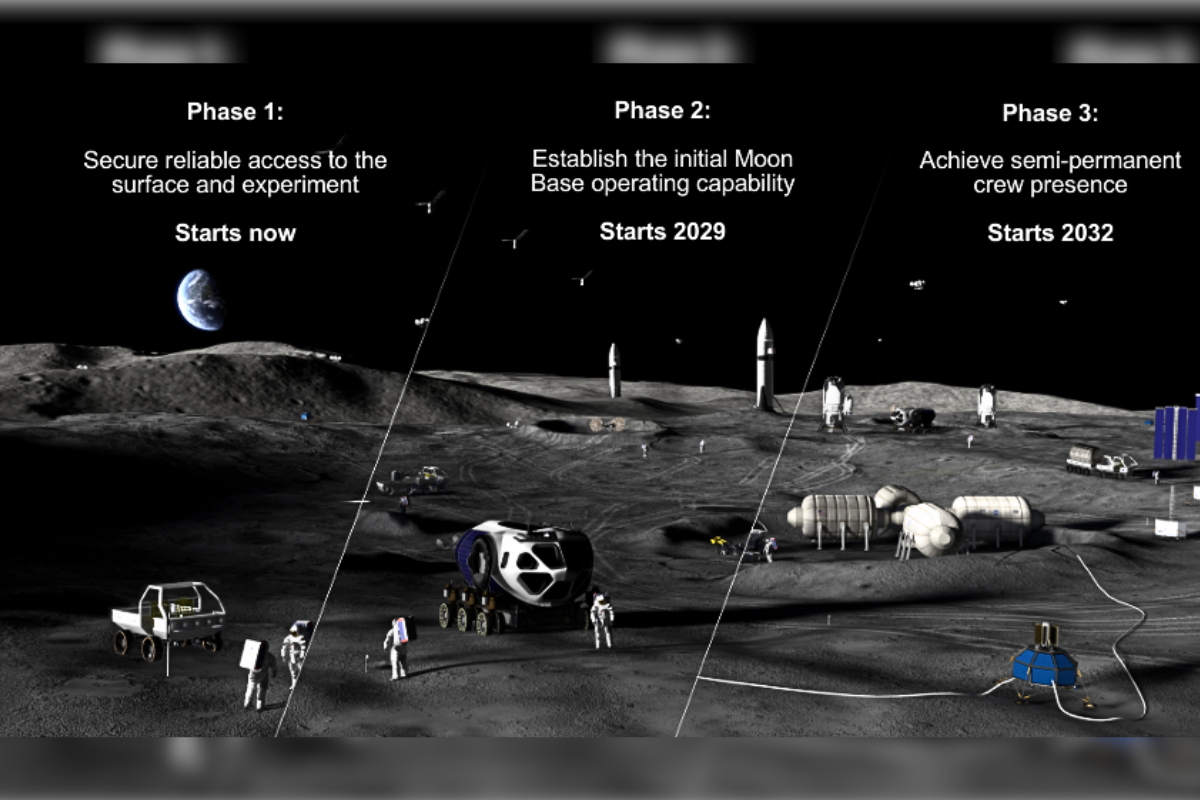
Bezos, Musk and Nasa’s 2032 ‘Moon Base’ timeline
Beyond the Giant Leap: The Blueprint for Permanent Lunar Habitation
For decades, the moon was a destination—a place to plant a flag, collect a few rocks, and rush back to the safety of Earth’s atmosphere. But we have entered a new era. We are moving from the age of “visiting” to the age of “inhabiting.”
NASA’s vision of a self-sustaining ecosystem on the lunar surface isn’t just about scientific curiosity. it is about establishing a permanent human presence in the cosmos. This shift represents one of the most ambitious engineering challenges in human history, blending government ambition with the aggressive agility of private capital.
The Rise of the Lunar Economy: Three Likely Scenarios
The question is no longer if we will go back, but what we will do once we arrive. Experts suggest the lunar economy will likely evolve into one of three distinct models, or perhaps a hybrid of all three.

1. The “Antarctica” Model: Pure Science
In this scenario, the moon remains a sanctuary for research. Small, rotating crews of scientists would live in modular habitats, studying astronomy without the interference of Earth’s atmosphere and analyzing the history of the solar system. This model prioritizes international cooperation over profit.
2. The “Everest” Model: Elite Tourism
With the entry of billionaires like Jeff Bezos and Elon Musk, the moon is becoming a luxury frontier. We are likely to see “adventure tourism” where the ultra-wealthy pay premiums for a few days in a lunar hotel. This provides the immediate cash flow needed to fund more sustainable infrastructure.

3. The “Oil Rig” Model: Resource Extraction
What we have is where the real geopolitical stakes lie. Through a process called In-Situ Resource Utilization (ISRU), humans will extract oxygen for breathing and hydrogen for fuel from lunar ice. If we can mine Helium-3—a rare isotope on Earth but abundant on the moon—it could potentially fuel future nuclear fusion reactors, changing the energy landscape of Earth forever.
For more on how these technologies are evolving, check out our guide on the future of SpaceX Starship [Internal Link].
The Billionaire Space Race: Innovation vs. Reality
NASA has pivoted from being the sole builder to being the primary customer. By contracting Blue Origin and SpaceX, they are leveraging private wealth to accelerate development. However, this “outsourcing” of the moon mission comes with significant risks.
The technical hurdles are staggering. Refueling a spacecraft in orbit at thousands of miles per hour is a feat that has never been achieved at scale. The reliance on private timelines often clashes with the rigid requirements of human safety.
Industry analysts point out that while SpaceX’s Starship is a marvel of engineering, its iterative “fail fast” approach is a stark contrast to the “zero-fail” mentality traditionally required for manned missions. This tension will define the next decade of space flight.
The Geopolitical Chessboard: USA vs. China
Space is the new high ground. The current rush to the moon is not just about science; it is a projection of national power. Much like the Cold War space race, the current competition between the U.S. And China is driving innovation at breakneck speed.
China’s own lunar ambitions are equally aggressive, with plans for their own research station. The race to claim the “prime real estate” at the lunar South Pole could lead to new international treaties—or new conflicts—over territorial rights in a vacuum where no one legally owns the land.
You can read more about the NASA Artemis Accords to see how the U.S. Is attempting to establish a legal framework for lunar exploration.
The Moon as a Stepping Stone to Mars
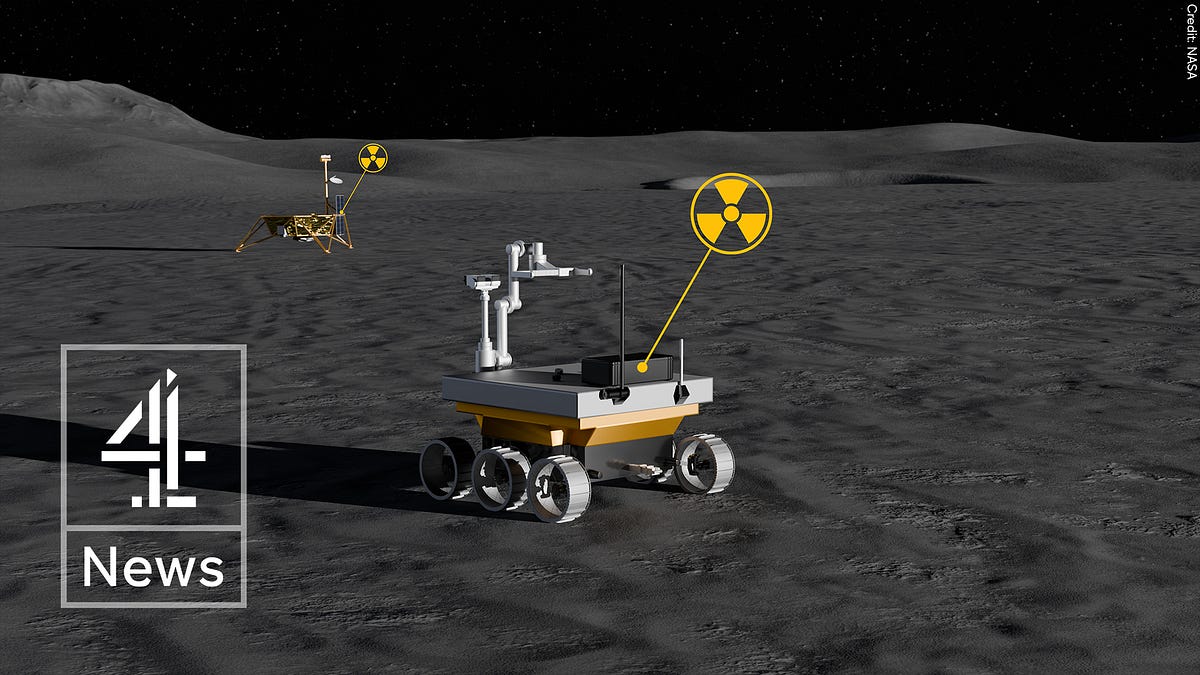
the moon is not the destination; it is the training ground. The lunar surface allows NASA to test nuclear fission reactors and long-term life support systems in a deep-space environment, but with a “safety net”—it’s only three days away from Earth.
If we can master the art of living on the moon, the leap to Mars becomes a matter of logistics rather than a gamble of survival. By establishing a “lunar gateway” or fuel depot, we can launch heavier payloads toward the Red Planet without having to fight Earth’s massive gravity well for every single kilogram of fuel.
Frequently Asked Questions
Will humans actually live on the moon by 2032?
While NASA has set ambitious goals, many astropolitics experts believe a fully habitable, self-sustaining base is more likely by the late 2030s due to current delays in lander development.
How will they get water and air on the moon?
Through In-Situ Resource Utilization (ISRU), NASA plans to mine ice from the lunar South Pole, splitting the water (H2O) into hydrogen for fuel and oxygen for breathing.
Who owns the moon?
According to the 1967 Outer Space Treaty, no nation can claim sovereignty over the moon. However, the Artemis Accords are attempting to create “safety zones” around lunar bases to manage resource extraction.
Join the Conversation
Do you think the moon should be a scientific sanctuary, or is it inevitable that it becomes a commercial hub for the wealthy? Let us know your thoughts in the comments below!
Want more deep dives into the future of tech and space? Subscribe to our weekly newsletter for insights that go beyond the headlines.