

Managing Endometriosis-Associated Pain: A Two-Step Approach
Long-term hormonal management is essential to prevent the recurrence of endometriosis following surgery, according to findings presented at the 2026 International Society of Gynaecological Endocrinology (ISGE) Congress in Rome. Experts report that surgery alone often fails to address the underlying disease, leading to recurrence rates as high as 50% without follow-up medical therapy.
Why Surgery Is Not a Permanent Cure
While surgery remains the primary intervention to remove diseased tissue and alleviate pain, it does not treat the root cause of endometriosis. Vitaly F. Bezhenar, Head of the Department of Obstetrics, Gynaecology, and Neonatology at First Pavlov State Medical University of St. Petersburg, noted that surgery can lead to complications involving the bowel, bladder, or uterus. Furthermore, procedures may reduce a patient’s ovarian reserve, creating a risk of iatrogenic premature ovarian insufficiency.

Research indicates that the persistence of microscopic disease is common, even when the peritoneum appears intact. In a study conducted by Bezhenar, microscopic foci of endometrioid heterotopia were identified in 50% of samples taken from macroscopically healthy tissue. Without long-term anti-recurrence therapy, these remaining cells can drive further pathological processes and disease progression.
A study of 178 patients found that while surgery provides initial relief, recurrence rates are significantly higher in patients who do not receive follow-up hormone-modulating therapy, such as GnRH agonists or dienogest.
The Two-Step Treatment Strategy
The Russian Society of Obstetricians and Gynaecologists (RSOG) currently advocates for a two-step approach to manage the condition. This strategy involves surgery when indicated, followed by at least six months of postoperative hormone-modulating therapy. For patients not planning an immediate pregnancy, the RSOG recommends extending this hormonal treatment beyond the six-month mark.
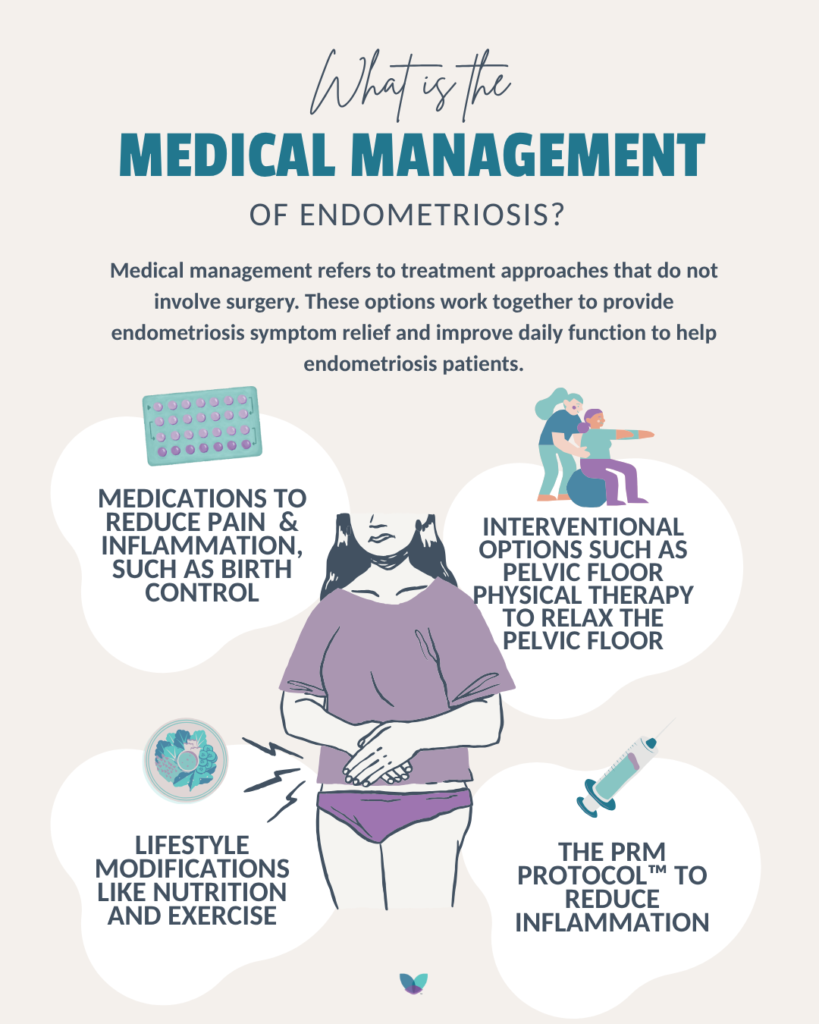
Clinical data suggest that the choice of medication impacts long-term outcomes. While combined oral contraceptives (COCs) are frequently used, research presented at the congress suggests they may be less effective for anti-relapse therapy compared to progestagens. Specifically, patients treated with cyclic COCs containing 30 mcg of ethinylestradiol and dienogest showed higher rates of recurrence and lower pregnancy rates than those treated with other regimens.
Samantha Carter notes that the distinction between “contraception” and “anti-relapse therapy” is crucial. While COCs may help manage dysmenorrhoea, they do not necessarily address the deeper infiltrative processes of the disease. The shift toward using progestagens like dienogest reflects a move toward therapies that maintain estrogen within a specific therapeutic window to suppress disease activity without the potential risks of higher-dose estrogen-progestin combinations.
Future Outlook for Endometriosis Management
Patients and clinicians may see a transition toward more personalized, long-term postoperative care plans. Because approximately 80% of patients who discontinue hormonal therapy do so on their own, improved patient education regarding the chronic nature of the disease could be a critical factor in future treatment success. As clinicians emphasize that there is no such thing as “mild” endometriosis, treatment models are likely to prioritize continuity between inpatient surgical care and outpatient medical management.

Frequently Asked Questions
What is the primary goal of postoperative hormonal therapy?
The goal is to slow the pathological processes that create an aggressive peritoneal environment, thereby reducing the risk of disease recurrence and improving overall quality of life.
Are combined oral contraceptives (COCs) recommended for preventing recurrence?
According to research presented by Bezhenar, COCs are not considered suitable for anti-relapse therapy and should be reserved for contraception. Data showed higher recurrence rates in patients using cyclic COCs compared to those using progestagens.
How long should postoperative treatment last?
The RSOG recommends that hormonal therapy continue for at least 6 months following surgery. If a patient is not planning a pregnancy, the treatment should be continued for a longer duration.
How might the integration of long-term medical management change the way patients approach their surgical recovery plans?