

Birmingham Zoo bird receives prosthetic beak from UAB dentistry team
When Beauregard, a young green aracari at the Birmingham Zoo, suffered a traumatic injury to his rhinotheca—the upper portion of his beak—his future as a functional member of his flock was placed in jeopardy. At just three months old, the loss of a significant portion of his upper mandible presented a complex challenge that required a departure from standard veterinary care.
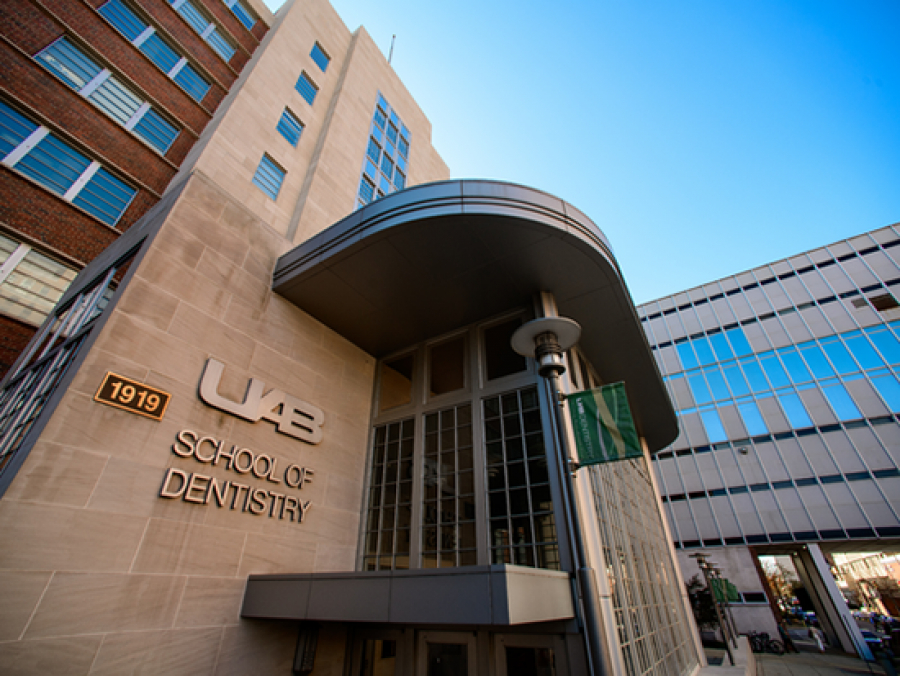
The solution arrived through a collaboration with the University of Alabama at Birmingham (UAB) School of Dentistry. By applying the principles of maxillofacial prosthetics—a subspecialty typically reserved for human patients requiring rehabilitation due to trauma or disease—specialists were able to craft a custom solution that restored the bird’s ability to eat, socialize, and fly.
Bridging the Gap Between Dentistry and Avian Health
The intervention was led by a specialized UAB team, including dental prosthetist Chris Seidenfaden, maxillofacial prosthodontist Michael Kase, DMD, and oral surgeon Jay Ponto, M.D., D.D.S. The team utilized traditional dental impression materials to capture the exact contours of the bird’s damaged beak.
Using a dental articulator—a tool traditionally used to craft human crowns and dentures—the team created a precise model. The final prosthetic was engineered not only to restore oral function, such as chewing and handling food, but also to maintain proper flight mechanics by ensuring the weight and size were perfectly balanced for the aracari’s physiology.
Looking Ahead: Implications for Veterinary Prosthetics
Now roughly 11 months old, Beauregard has integrated successfully back into his environment. While this case demonstrates the efficacy of maxillofacial prosthetics in avian care, the long-term durability of such devices remains a subject of observation. It is likely that future cases of this nature will rely on these same dental principles to address structural defects in exotic animals.
As animal health specialists continue to explore interdisciplinary partnerships, this model of care may serve as a blueprint for addressing similar traumatic injuries in zoo populations. The ability to restore natural behaviors through custom-fitted prosthetics represents a significant advancement in how trauma recovery is managed in non-human species.
Frequently Asked Questions
What is maxillofacial prosthetics?
It is a subspecialty of prosthodontics focused on the rehabilitation of patients who have defects or disabilities resulting from birth, disease, or trauma, often requiring the replacement of missing tissue or bone to restore functions like swallowing and speech.
How did the team ensure the prosthetic would be accepted by other birds?
The team color-matched the prosthetic to mirror Beauregard’s specific beak pattern, accounting for the fact that birds see in full colour and the UV spectrum, which helps prevent social friction within the flock.
What materials were used to create the beak?
The UAB team utilized the same materials commonly used for human dental impressions to capture the mold and create the model for the final prosthetic.
How do you think interdisciplinary partnerships between human medicine and zoological institutions will change the future of animal rehabilitation?