

Bitcoin Hits Yearly Lows Amid Massive Investor Capitulation
Bitcoin’s “Capitulation Phase”: Is the Worst Finally Behind Us?
The cryptocurrency market is currently enduring one of its most challenging stretches this year. With Bitcoin slipping toward the $61,000 mark, investors are feeling the heat. However, seasoned market observers know that in the world of digital assets, extreme fear is often a contrarian signal—a sign that the bottom may be closer than the headlines suggest.
The Anatomy of a Sell-Off: Who is Leaving?
Data from market analysts, including reports from Compass Point, suggests a significant shift in investor behavior. We are witnessing what experts call “capitulation.” Notably, long-term holders—those who have kept their coins off the market for over 155 days—have offloaded billions in assets. When the “diamond hands” start selling, it typically indicates that the market has reached a point of maximum pain.
The ETF Exodus: A Temporary Hurdle or a Structural Shift?
The recent streak of net outflows from US-based spot Bitcoin ETFs has been the talk of Wall Street. With over a dozen consecutive days of outflows totaling billions, institutional sentiment appears lukewarm. Yet, it is important to remember that these financial products are relatively new. Institutional adoption is rarely a straight line; it is a series of fits and starts as firms rebalance their portfolios.
Why ” Capitulation” Can Be a Bullish Signal
It sounds counterintuitive, but the exit of the “last optimists”—those who bought near the previous highs—is often a hallmark of a late-stage bear market. When the final wave of hesitant investors throws in the towel, the selling pressure typically exhausts itself. History shows that once the weak hands are shaken out, the market is historically better positioned to find a stable floor and begin a new accumulation phase.
Navigating Market Uncertainty: Strategies for the Long Haul
Whether you are a seasoned trader or a newcomer, the current climate demands a disciplined approach:
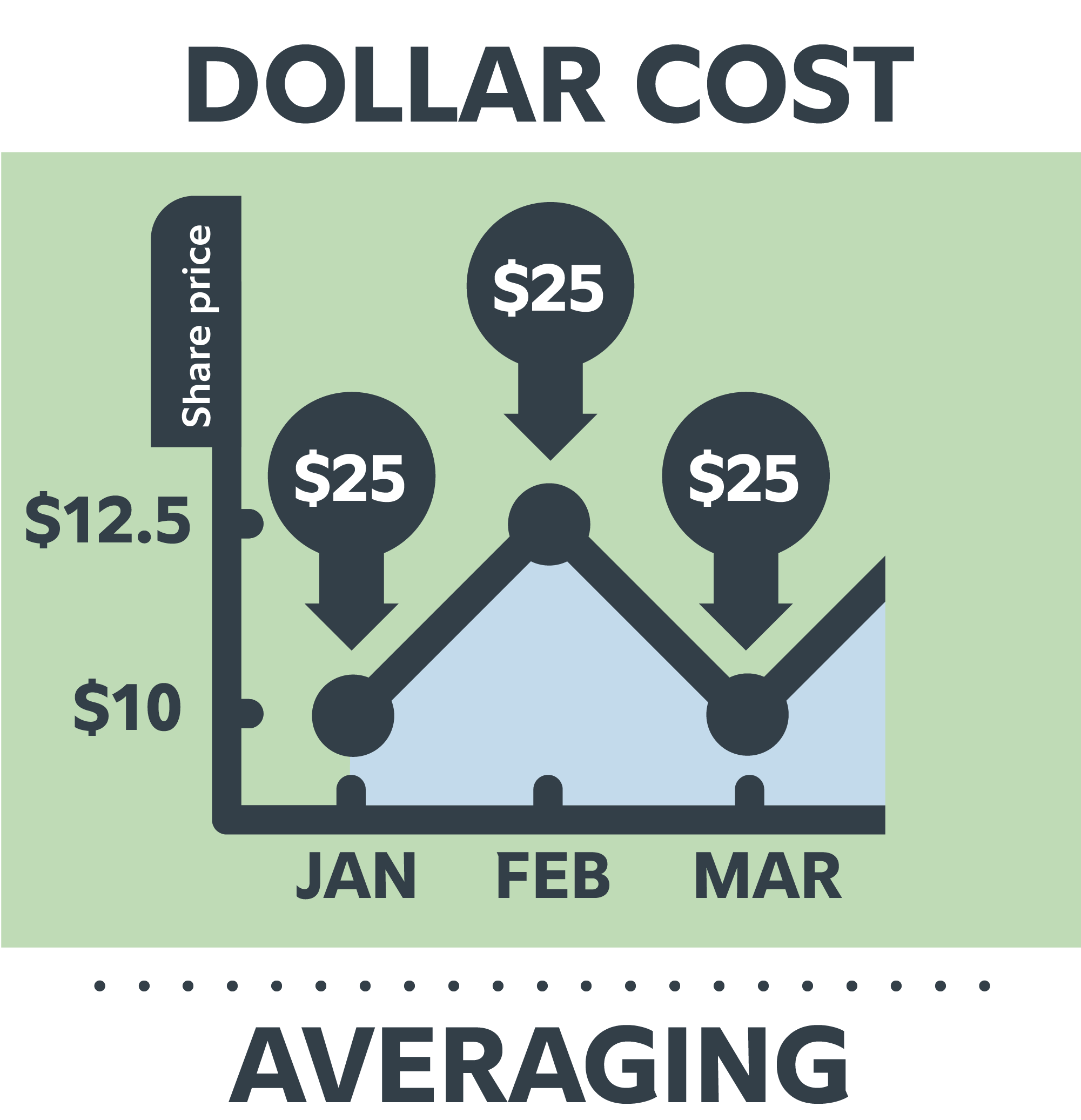
- Dollar-Cost Averaging (DCA): Instead of trying to time the absolute bottom, consider building your position over time to mitigate the impact of volatility.
- Focus on Fundamentals: Look beyond the daily price charts. Research Bitcoin’s protocol upgrades and the growing adoption of layer-2 solutions.
- Avoid Panic Selling: As noted by market analysts, selling during a period of high capitulation often leads to “locking in” losses right before a recovery.
Frequently Asked Questions (FAQ)
Is the current Bitcoin price drop a sign of a permanent crash?
Most analysts view this as a cyclical correction within a broader growth trend. Markets naturally oscillate between periods of accumulation, and distribution.
Why do institutional ETFs matter for individual investors?
ETFs provide massive liquidity and legitimacy to the crypto market. While they cause price volatility in the short term, they are essential for long-term price stability and mainstream integration.
Should I sell my holdings when I see “capitulation” news?
Financial experts generally advise against making emotional decisions based on headlines. If your thesis for holding Bitcoin hasn’t changed, short-term price action should not dictate your long-term strategy.
What is your take on the current market sentiment? Are you viewing this dip as a buying opportunity or a reason to tighten your portfolio? Join the conversation in the comments section below and share your strategy for the coming months. Don’t forget to subscribe to our newsletter for deep-dive analysis delivered straight to your inbox.