

Families of Tiananmen dead warned not to visit graves on anniversary
The Digital Erasure: How Memory Becomes a Battleground in Modern China
For over three decades, the anniversary of the 1989 Tiananmen Square crackdown has served as a litmus test for the boundaries of political expression in China. Today, that test has evolved into a high-stakes struggle between state-sponsored digital amnesia and the persistent, human urge to remember. As authorities tighten their grip on public space, the battle for history is increasingly moving into the shadows and across borders.
The Strategy of “Forced Forgetting”
The systematic erasure of the 1989 events is no longer limited to physical barricades. It has evolved into a sophisticated, multi-layered strategy. By restricting access to cemeteries—even for grieving families like the Tiananmen Mothers—the state aims to break the generational transmission of memory. When physical sites of mourning are sanitized, the goal is to ensure that the event loses its emotional resonance for a younger generation raised behind the “Great Firewall.”
The Hong Kong Paradigm: From Vigil to Vacuum
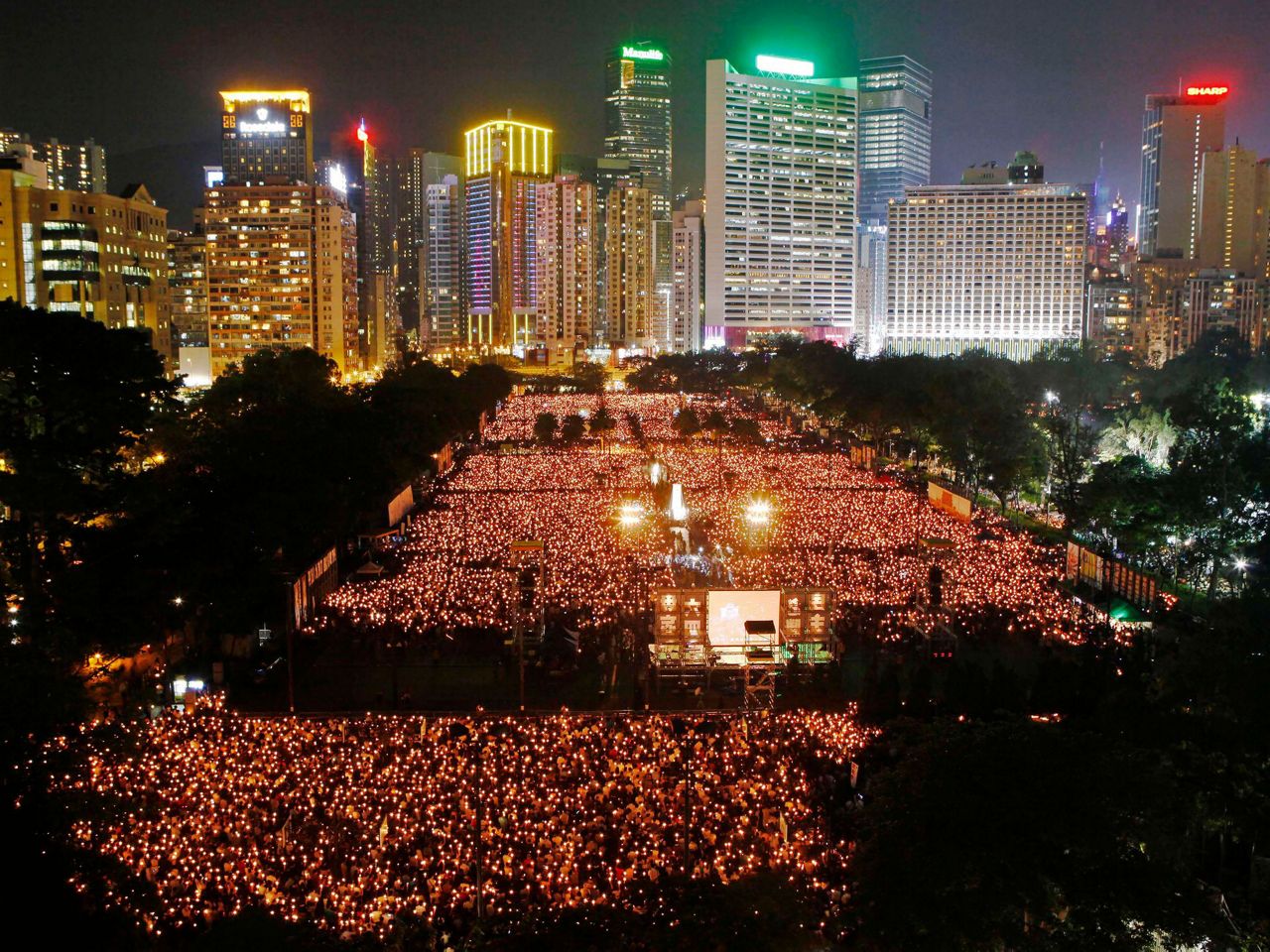
Hong Kong once served as the primary beacon for annual commemorations, hosting massive candlelight vigils that drew tens of thousands. The post-2020 crackdown, facilitated by national security legislation, has effectively hollowed out this tradition. The trend is clear: public displays of dissent are now met with swift police intervention. This shift signals a broader trend where “public order” is used as a legal pretext to stifle collective memory, turning potential activists into figures of quiet, isolated resistance.
The Hunger Strike as Political Language
As traditional protest avenues close, individuals are turning to symbolic, personal acts of defiance. The 37-hour hunger strikes led by activists like Chow Hang-tung represent a pivot toward “embodied protest.” When the state controls the streets and the internet, the human body becomes the final site of political expression. This trend of individual, high-cost sacrifice is likely to define the next phase of pro-democracy activism within restricted environments.
The Global Memory Gap
While the Chinese state works to erase the event internally, the international community has leaned into the role of “memory keepers.” Statements from the US State Department and other global bodies emphasize that digital censorship cannot permanently suppress historical truth. However, there is a growing disconnect: the more the West highlights the crackdown, the more the Chinese Foreign Ministry frames these interventions as “interference in internal affairs,” effectively creating a nationalist narrative that paints memory as a foreign political weapon.
Future Trends: The Underground Digital Archive
Looking ahead, the fight for history will likely migrate to decentralized platforms. As AI-driven censorship becomes more pervasive, activists are shifting toward:

- Encrypted Archives: Moving memorial data to decentralized, blockchain-based ledgers that cannot be edited or deleted by a central authority.
- Ephemeral Commemoration: Using short-lived digital signals and localized, offline gatherings that avoid the “mass gathering” triggers monitored by facial recognition software.
- Transnational Solidarity: Diaspora communities will increasingly bear the burden of maintaining archives and oral histories that are systematically purged within the mainland.
Frequently Asked Questions (FAQ)
Why is the 1989 crackdown still a sensitive topic in China?
The event is seen by the Communist Party as a fundamental challenge to its legitimacy and the stability of its current market-driven political model. Allowing public discourse on the crackdown would necessitate an open debate about the party’s role in the nation’s history.
How does the “Great Firewall” affect historical memory?
It prevents the organic spread of information. By scrubbing search engines and social media of specific keywords, the state ensures that younger generations lack the context to understand current events in relation to the past.
Is there a way to bypass these digital restrictions?
While VPNs and decentralized tools exist, the high personal cost of being caught accessing “forbidden” information acts as a powerful deterrent for the average citizen.
What do you think is the most effective way for history to survive in an era of total digital surveillance? Share your thoughts in the comments section below or subscribe to our weekly briefing for more in-depth geopolitical analysis.