

Blockchain in Healthcare Market to Reach US$ 276.2 Bn by 2033 at 42.5% CAGR
The End of the Medical Paper Trail: How Blockchain is Rewiring Healthcare
For decades, the healthcare industry has been plagued by a frustrating paradox: we have the technology to perform robotic surgeries and map the human genome, yet our medical records are often trapped in fragmented, incompatible silos. If you’ve ever had to manually carry a physical folder of X-rays from one specialist to another, you’ve experienced the “interoperability gap.”
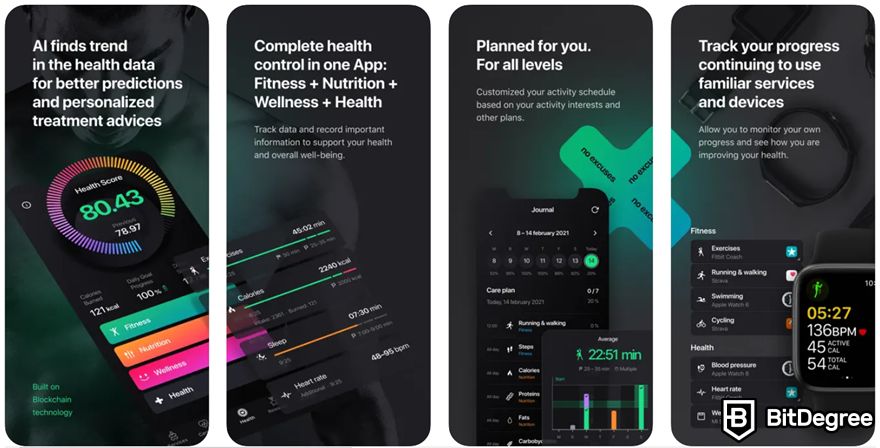
Blockchain is moving past the cryptocurrency hype to solve this exact problem. By shifting from centralized databases to decentralized ledgers, the industry is moving toward a future where data isn’t just secure—it’s fluid.
Patient Sovereignty: You Own Your Health Data
The most radical shift we are seeing is the transition toward Self-Sovereign Identity (SSI). Currently, your medical history is owned by the hospital or the clinic. In a blockchain-enabled future, the patient holds the “private key” to their own records.
Imagine a digital health passport. Instead of a doctor requesting records from another facility—a process that can take days—they request a temporary access token from you. You grant permission via a smartphone app and the provider instantly accesses a verified, unalterable history of your allergies, medications, and past surgeries.
This doesn’t just improve convenience; it saves lives. In emergency situations where a patient is unconscious, a blockchain-based emergency access protocol can provide first responders with critical data without compromising long-term privacy.
Ending the Counterfeit Drug Crisis
Pharmaceutical supply chains are notoriously opaque. Counterfeit medications—ranging from fake antibiotics to diluted vaccines—pose a global health threat and cost pharmaceutical companies billions in lost revenue.

Blockchain introduces a “track-and-trace” system that is virtually impossible to spoof. Each batch of medicine is assigned a unique identifier on the blockchain at the point of manufacture. As the drug moves from the factory to the distributor, then to the pharmacy, and finally to the patient, every handover is timestamped and cryptographically signed.
Real-World Application: Projects like MediLedger are already demonstrating how blockchain can track the legal change of ownership of prescription medicines, ensuring that the pill in the bottle is exactly what the label claims it to be.
Smart Contracts: Automating the Insurance Nightmare
Medical billing is a labyrinth of claims, denials, and endless paperwork. “Smart contracts”—self-executing contracts with the terms directly written into code—can automate this entire cycle.
Instead of a doctor submitting a claim and waiting weeks for an insurance adjuster to review it, a smart contract can trigger an automatic payment the moment a verified medical outcome is recorded on the blockchain. If the criteria for a procedure are met and the data is verified, the payment is released instantly.
This reduces administrative overhead for clinics and eliminates the “denial loop” that leaves patients stressed about unexpected medical bills.
The Convergence of AI and Blockchain
Artificial Intelligence is only as good as the data it is trained on. Currently, AI in healthcare struggles because medical data is fragmented and often “dirty” (inconsistent or incomplete).
Blockchain provides the “Single Source of Truth” that AI needs. By creating a secure, standardized way to share anonymized patient data across institutions, blockchain allows AI models to be trained on massive, diverse datasets without violating HIPAA or GDPR privacy laws.
We are moving toward a world of Federated Learning, where AI learns from data stored on a blockchain without the data ever leaving its original secure location. This means more accurate diagnostic tools and personalized medicine tailored to your specific genetic makeup.
Frequently Asked Questions
A: No. A traditional database is centralized and can be edited by an administrator. A blockchain is a distributed ledger; once data is written, it cannot be changed or deleted without the consensus of the network, making it far more secure against fraud.
A: Quite the opposite. When implemented correctly (using “off-chain” storage for actual medical images and “on-chain” hashes for verification), blockchain enhances privacy by giving patients control over who accesses their data.
A: Standardization. For blockchain to work, different hospital systems and insurance companies must agree on a common technical language. This represents a political and administrative challenge, not a technical one.
The transition to a decentralized healthcare system won’t happen overnight, but the momentum is undeniable. From eradicating counterfeit drugs to giving patients true ownership of their biological data, the “trustless” nature of blockchain is exactly what a high-stakes industry like healthcare needs.
What do you think? Would you trust a blockchain-based system with your medical records, or do you prefer the current centralized model? Let us know in the comments below or share this article with a colleague in the health-tech space.