
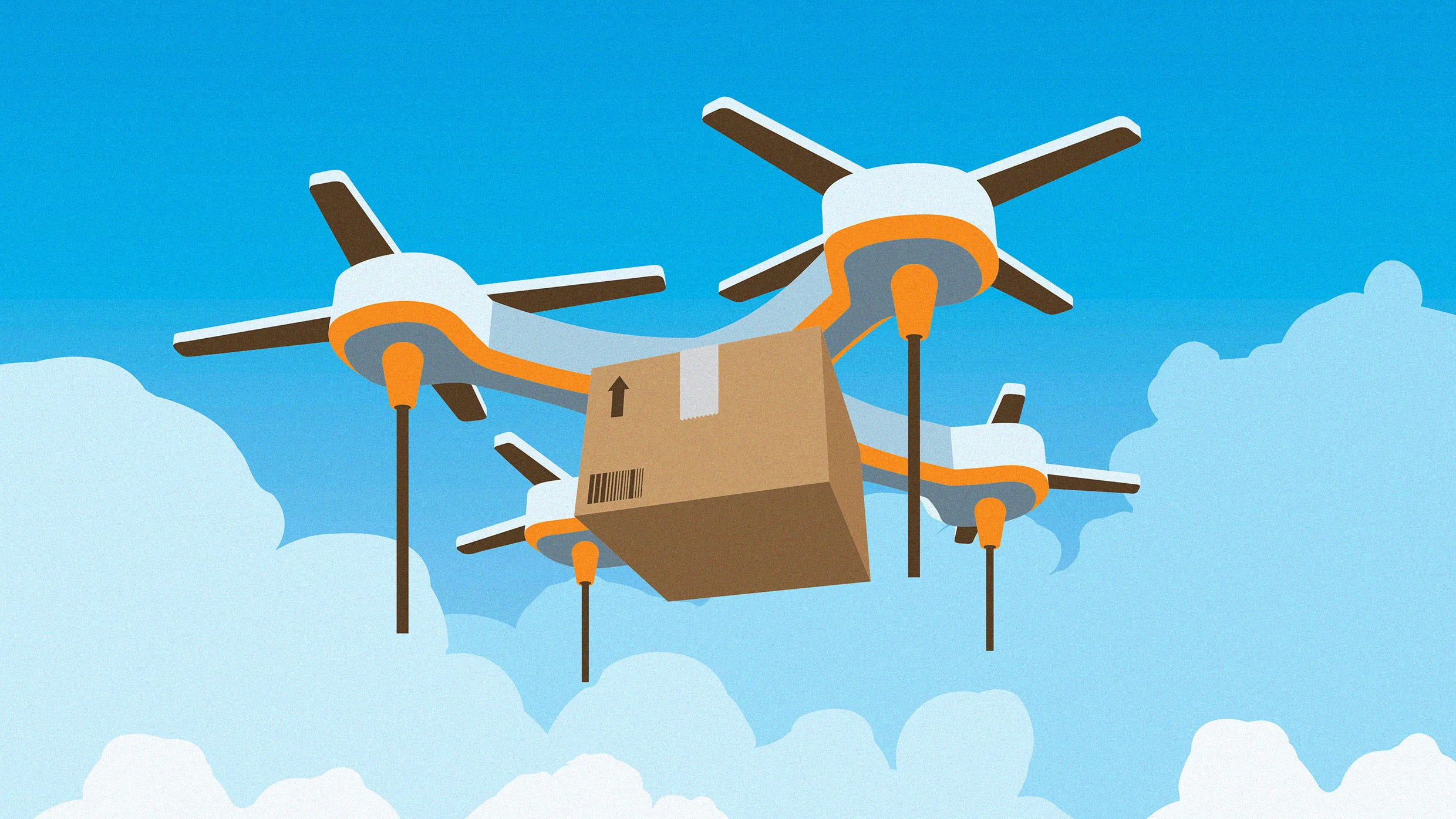
FAA Rule Change to Unlock Beyond Visual Line of Sight Drone Flights
The Federal Aviation Administration (FAA) is finalizing rule changes to allow drones to fly Beyond Visual Line of Sight (BVLOS), removing the requirement that pilots maintain constant visual contact with their aircraft. According to FAA documents, this regulatory shift is expected to accelerate commercial drone adoption in delivery, agriculture, and infrastructure inspection by removing current range restrictions.
Why does BVLOS matter for commercial drone operations?
Beyond Visual Line of Sight (BVLOS) operations remove the physical tether between the pilot’s eyes and the aircraft. Under current rules, almost all operators must maintain a visual line of sight, which strictly limits how far a drone can travel from its launch point.
A mechanical engineer specializing in drone study notes that the combination of new technology and these regulatory updates is bringing large-scale commercial applications close to fruition. Once finalized, drones can operate as autonomous tools for wide-area tasks rather than short-range gadgets.
Commercial applications likely to expand include:
- Infrastructure Safety: Drones flying ahead of trains to verify track integrity.
- Precision Agriculture: Large-scale monitoring and spraying of farm fields to cut labor costs and increase efficiency.
- Critical Logistics: The delivery of transplant organs and fast food meals.
- Emergency Response: Assessing forest wildfires, finding missing persons, and surveying disaster damage.
How will drones integrate into the National Airspace System?
Integration depends on the distinction between controlled and uncontrolled airspace within the National Airspace System (NAS). In controlled airspace—which includes urban regions, air routes, and areas around airports—air traffic controllers manage flight paths and aircraft separation.
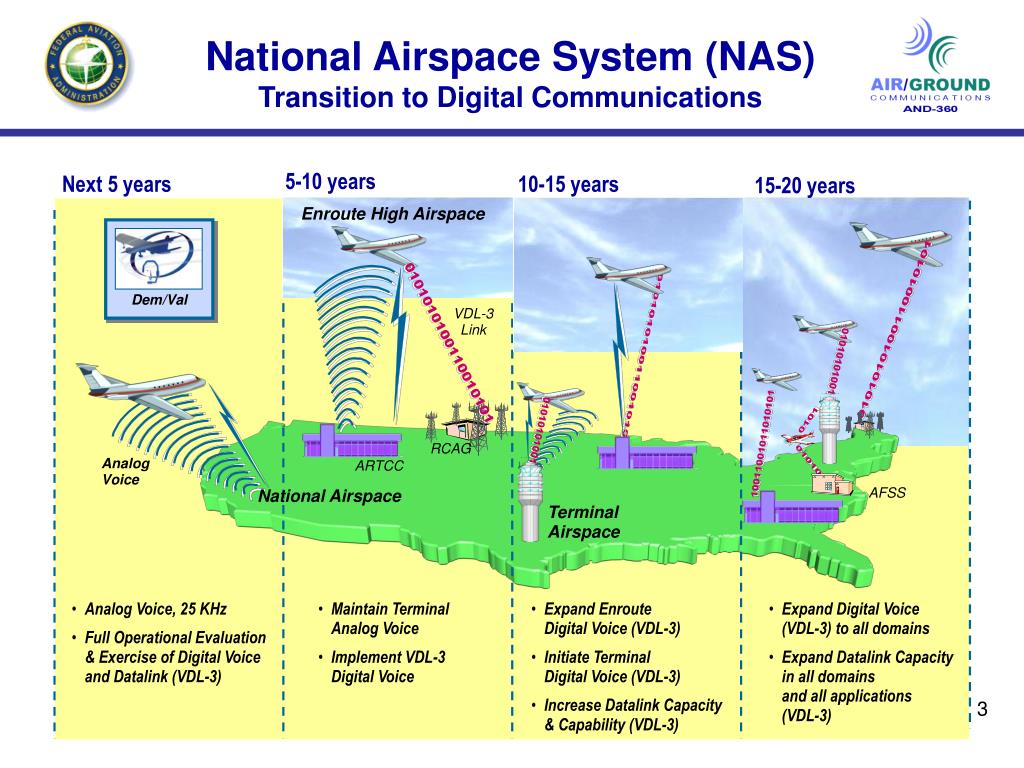
Drone operators in these zones must obtain formal FAA authorization for every flight, which dictates specific flight paths to avoid collisions with crewed aircraft. In contrast, uncontrolled airspace is typically rural, where pilots handle their own navigation and collision avoidance.
Current restrictions in uncontrolled airspace
According to FAA guidelines, recreational operators in uncontrolled airspace must adhere to strict safety limits to prevent accidents. These include:
- Altitude: Flights must remain below 400 feet.
- Weight: The aircraft, including payload, cannot exceed 55 pounds.
- Visibility: Operations are limited to daylight with at least 3 miles of visibility.
- Speed: Ground speed is capped at 100 mph.
- Proximity: Drones cannot operate within 5 miles of an airport.
What happens to the right of way in the sky?
Regardless of whether a drone is flying under VLOS or the new BVLOS rules, crewed aircraft maintain the absolute right of way. This hierarchy is central to the FAA’s safety framework as it integrates more unmanned aircraft systems (UAS) into the sky.
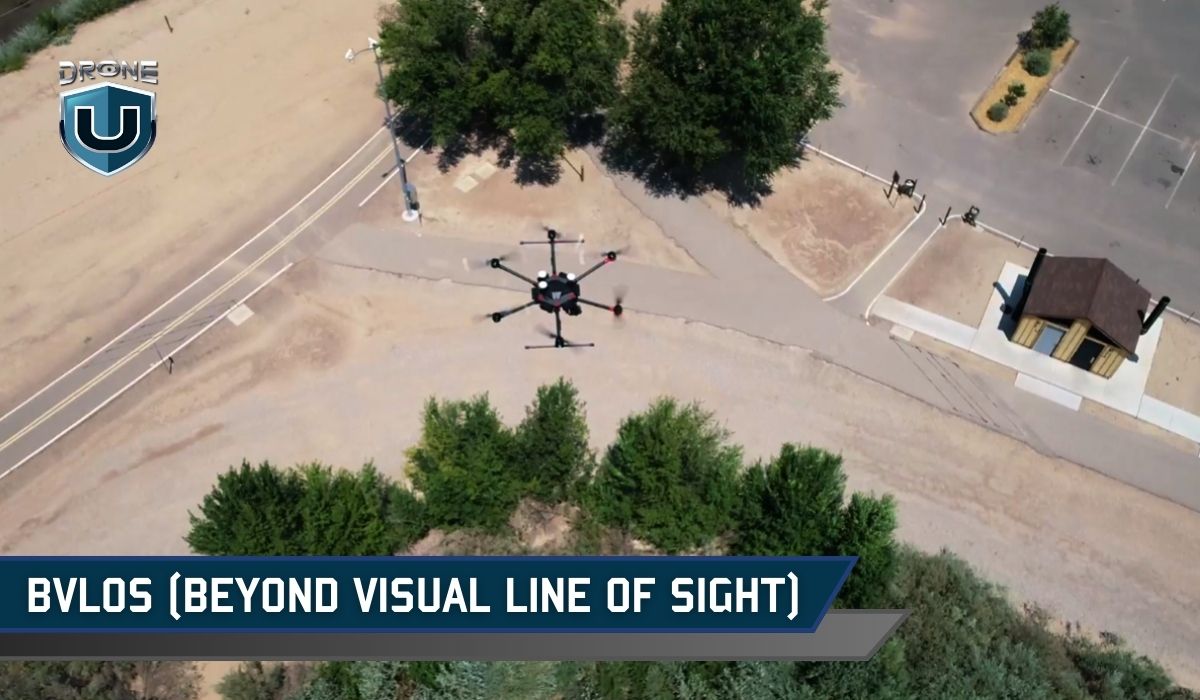
The transition to BVLOS creates a contrast in operational risk. While VLOS allows a pilot to manually avoid a bird or another aircraft, BVLOS relies on integrated technology and NAS coordination to ensure separation. This shift moves the responsibility of collision avoidance from the pilot’s eyes to onboard sensors and air traffic data.
Frequently Asked Questions
BVLOS stands for Beyond Visual Line of Sight. It refers to drone operations where the pilot cannot see the aircraft with their own eyes.
Generally, no. In uncontrolled airspace, drones cannot operate within 5 miles of an airport. In controlled airspace, formal FAA authorization is required.
According to current FAA rules for uncontrolled airspace, drones must not weigh more than 55 pounds, including any payload.
What do you think about the rise of BVLOS drones in your neighborhood? Share your thoughts in the comments below or subscribe to our newsletter for the latest aviation updates.