
Blockchain Venture Capital Inc. Announces Adoption of Semi-Annual Reporting
The Shift Toward Lean Reporting: Why Venture Issuers are Prioritizing Agility
In the fast-paced world of venture capital and emerging technologies, the traditional quarterly reporting cycle is increasingly being viewed as a relic of a slower era. For small-cap companies—particularly those operating in the volatile blockchain space—the administrative burden of quarterly filings can often outweigh the perceived benefit to shareholders.
The recent move by firms like Blockchain Venture Capital Inc. To adopt semi-annual reporting under frameworks such as CBO 51-933 is not an isolated event. It signals a broader trend where venture issuers are trading frequent, often noisy, short-term data for more meaningful, long-term strategic updates.
For companies with annual revenues under $10 million, the cost of producing audited or reviewed quarterly statements can be a significant drain on resources. By shifting to a semi-annual cadence, these firms can redirect critical man-hours from accounting spreadsheets back into product development and portfolio growth.
Blockchain Venture Capital: Navigating a High-Volatility Landscape
Investing in blockchain technology is fundamentally different from investing in traditional SaaS or manufacturing. The assets are often illiquid, the valuation models are experimental, and market swings can be violent.
Quarterly reporting in this sector often captures “snapshots” of volatility rather than actual progress. For example, a blockchain VC’s portfolio might drop 30% in value in March due to a market-wide correction, only to surge 50% by June. A quarterly report focuses on the dip; a semi-annual report captures the recovery and the underlying trend.
We are seeing a move toward “Value-Based Reporting.” Instead of focusing on the balance sheet every 90 days, the industry is pivoting toward milestones: successful mainnet launches, strategic token integrations, and regulatory clearances.
The Rise of On-Chain Transparency
There is a fascinating irony unfolding in the financial world. While some companies are reducing their formal regulatory filings, they are increasing their actual transparency through the blockchain.
Many Web3-focused funds are beginning to utilize “Proof of Reserves” or public dashboards that allow investors to see holdings in real-time. This shift from “periodic reporting” to “continuous transparency” could eventually make the traditional quarterly report obsolete.
Investor Implications: Balancing Risk and Information
For the average investor, a reduction in reporting frequency can feel like a loss of oversight. However, seasoned venture capitalists know that “over-reporting” can actually lead to short-termism—where management makes decisions to make the next quarter look good rather than building a decade-long empire.
To effectively evaluate companies with semi-annual reporting, investors should look for three key indicators:
- Management Track Record: Does the leadership team have a history of delivering on long-term roadmaps?
- Regulatory Compliance: Is the company operating within established frameworks, such as being a registered Money Service Business (MSB) under FINTRAC or similar bodies?
- Ecosystem Integration: Is the firm deeply embedded in the blockchain ecosystem, or are they merely speculating on price action?
As more companies list on exchanges like the Canadian Securities Exchange (CSE), the demand for flexible reporting frameworks will likely grow, allowing smaller innovators to compete with giants without being crushed by the weight of compliance costs.
FAQs: Understanding Venture Reporting Trends
What is CBO 51-933?
CBO 51-933 is a regulatory exemption that allows eligible venture issuers (typically those with lower annual revenues) to voluntarily switch from quarterly to semi-annual financial reporting to reduce administrative costs.
Does semi-annual reporting mean a company is hiding something?
Not necessarily. This proves a strategic business decision often used by small-cap companies to save costs and focus on growth. Many high-growth startups operate with similar lean reporting structures before they reach a certain scale.
How does blockchain change venture capital?
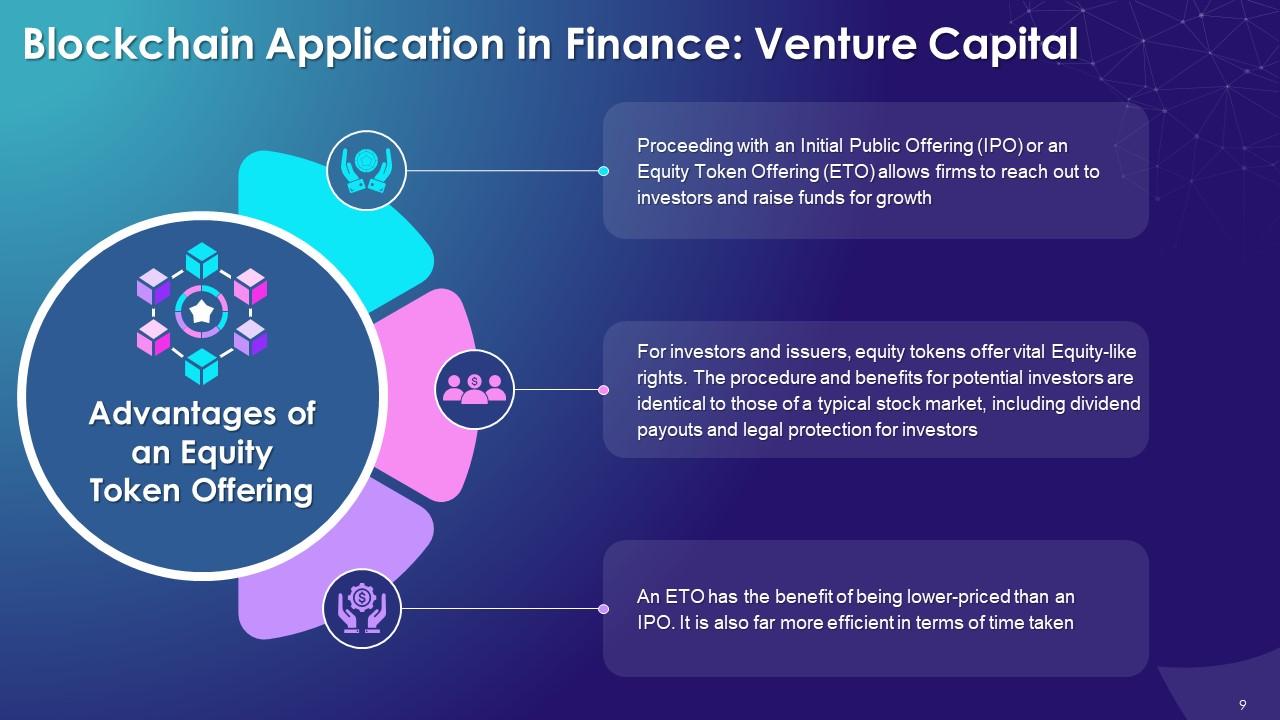
Blockchain introduces new asset classes (tokens), new ways of distributing equity, and the potential for automated, on-chain auditing, which changes how value is tracked and reported compared to traditional equity.
What should I look for in a Blockchain VC’s financials?
Focus on the diversity of the portfolio, the “dry powder” (available cash) for new investments, and the alignment of the fund’s duration with the typical development cycle of blockchain projects.
What do you think? Does less frequent reporting allow companies to build better products, or does it leave investors in the dark? Share your thoughts in the comments below or subscribe to our newsletter for more deep dives into the future of Web3 finance.