
YouTube Introduces Automatic AI Detection and Labeling for Realistic Video Content
The AI Transparency Revolution: What YouTube’s New Labels Mean for the Future
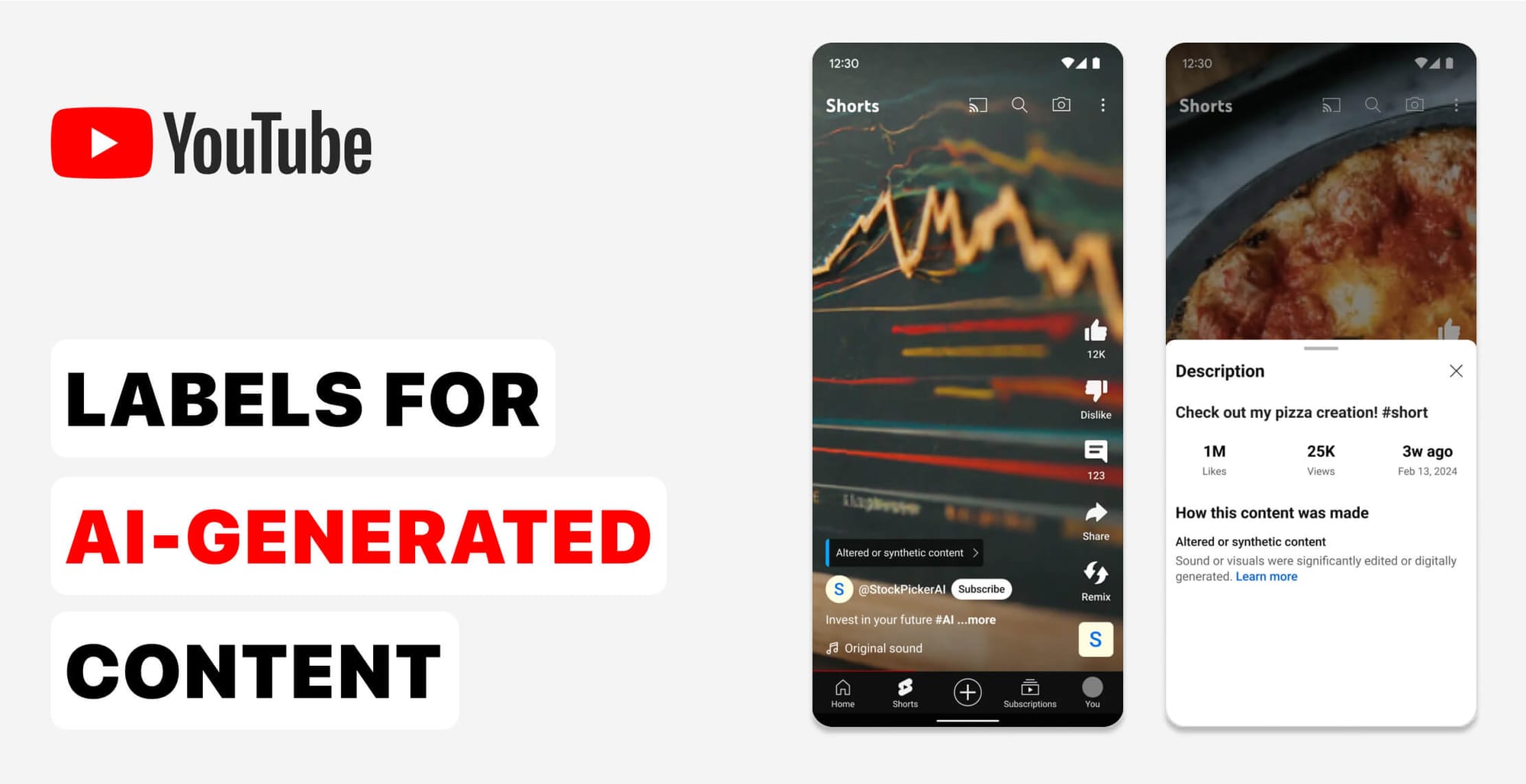
YouTube’s recent move to automatically label AI-generated content marks a pivotal shift in the digital content landscape. As artificial intelligence becomes more sophisticated, platforms like YouTube are under pressure to balance innovation with accountability. This change isn’t just about detection—it’s about setting a precedent for how the internet handles synthetic media.
How YouTube’s AI Detection Works
YouTube’s new system uses internal signals to identify hyper-realistic AI videos, even if creators don’t disclose their use of tools like DeepArt or Synthesia. The platform’s algorithms analyze factors such as lighting inconsistencies, unnatural movements, or audio-visual mismatches to flag content. For example, a deepfake video of a political figure could trigger an automatic label, ensuring viewers are aware of the content’s origin.
Creators can still manually add labels, but the automated system ensures transparency even when users attempt to bypass disclosures. This approach mirrors similar efforts by Meta and TikTok, which have also rolled out AI detection tools to combat misinformation.
The Rise of AI-Generated Content: A Double-Edged Sword
According to a 2023 report by the Pew Research centre, 65% of U.S. Adults are concerned about AI-generated media’s impact on trust in news. YouTube’s labels aim to address this by making synthetic content more visible. However, the challenge lies in distinguishing between harmful deepfakes and legitimate creative tools. For instance, an AI-generated short film for a film festival might be indistinguishable from a real documentary, yet the label could deter audiences from engaging with it.
Challenges in AI Detection: False Positives and Ethical Dilemmas
Despite its promise, automated AI detection isn’t foolproof. A 2024 study by MIT found that 12% of non-AI videos were incorrectly flagged by similar systems. This raises questions about the potential for censorship or mislabeling. Creators using AI for artistic purposes—like AI-generated art or music—may face unintended consequences if their work is misclassified.
YouTube’s decision to exempt content created with its own tools, such as Veo and Dream Screen, also highlights the tension between platform control and user autonomy.
Regulatory Pressure and the Path Forward
Governments worldwide are pushing for stricter AI regulations. The EU’s AI Act mandates clear labeling of AI-generated content, a trend YouTube’s move aligns with. However, enforcement remains a challenge. In 2023, a lawsuit against a deepfake platform in California underscored the legal risks of unregulated AI content.
As regulations evolve, platforms like YouTube will need to adapt their policies while maintaining user trust. This could lead to a future where AI labels become as standard as disclaimers for sponsored content.
Did You Know?
YouTube’s new labels could influence how audiences perceive AI-generated content. A 2022 study found that viewers are 40% more likely to question the authenticity of content labeled as AI-generated, even if it’s legitimate.
Future Trends: What’s Next for AI Content Moderation?
As AI tools become more accessible, the line between real and synthetic media will blur further. Here’s what to expect:
1. Enhanced Collaboration Between Platforms and Researchers
YouTube may partner with academic institutions to refine detection algorithms. For example, a collaboration with Columbia University could lead to more accurate AI identification methods.
2. The Rise of AI Literacy Programs
Platforms might launch educational campaigns to help users recognize AI content. YouTube could introduce tutorials on its “Learn” section, similar to how it educates creators on copyright laws.
3. Global Standardization of AI Labels
If YouTube’s approach gains traction, other platforms like Instagram or Twitch may adopt similar systems. This could lead to a unified global standard for AI content labeling, reducing confusion for users.
Pro Tips for Creators Navigating AI Transparency
- Disclose AI Use Early: Even if your content isn’t flagged, adding a label builds trust with your audience.
- Test Your Content: Use tools like Sensity AI to check if your videos might trigger automatic labels.
- Engage Your Audience: Explain why you’re using AI. Transparency can turn skepticism into curiosity.
FAQ: Answers to Common Questions
How does YouTube detect AI content without creator input?
YouTube’s algorithms analyze technical cues like unnatural textures, lighting anomalies, or audio-visual sync issues to identify AI-generated media.
Will AI labels affect my video’s visibility or monetization?
No. YouTube explicitly states that labels don’t impact recommendations or ad revenue, focusing instead on transparency.
Can I appeal a false AI label?
Yes. Creators can update their AI disclosure settings via YouTube Studio, though content made with YouTube’s own tools (like Veo) remains labeled automatically.
What’s Next for AI and Media?
YouTube’s move is just the beginning. As AI continues to reshape content creation, the