
Blood test added to colorectal cancer screening options by cancer group
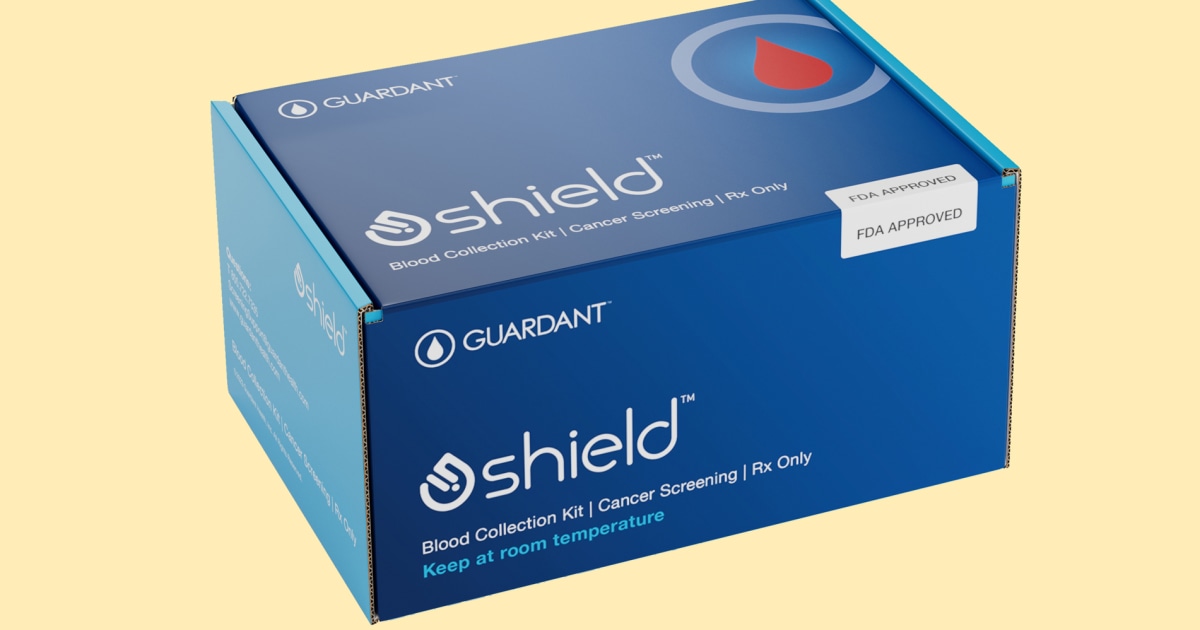
The American Cancer Society has added a blood test to its list of recommended screenings for colorectal cancer for the first time. The test, known as Shield and developed by California-based Guardant Health, received FDA approval in 2024.
This new option is not intended to replace colonoscopies. Instead, it aims to reach individuals who might otherwise avoid screening entirely.
Addressing the Screening Gap
According to Dr. William Dahut, chief scientific officer for the American Cancer Society, approximately one-third of Americans are not current with their colorectal cancer screenings.

The introduction of a blood test could dramatically increase screening rates. This is particularly critical as colorectal cancer remains the leading cause of cancer death for people under age 50.
Effectiveness and Trade-offs
The Shield test works by detecting DNA fragments released by cancerous tumors. While studies show it is 83% effective in finding colorectal cancers, it is most successful at detecting advanced disease.
The test is significantly less effective at finding early signs of cancer or precancerous polyps, which do not release these DNA fragments. Dr. Dahut noted that while it is not as effective as other methods for stage 1 cancers, it is better than no screening at all.
Comparing Screening Methods
Experts maintain that colonoscopies remain the most effective tool because they allow doctors to find and remove polyps before they become cancerous. This procedure is generally performed every 10 years but requires a liquid diet, laxatives, and anesthesia.
Other options include stool-based tests like Cologuard or ColoSense, which are repeated every one to three years. These require collecting stool samples but do not require dietary changes or laxative prep.
The Shield blood test is the least involved option and should be performed every three years. However, any positive result from a stool or blood test would require a follow-up colonoscopy to locate tumors and guide treatment.
Costs and Accessibility
The Shield test currently costs $895 out of pocket. The American Cancer Society’s recommendation does not automatically mandate insurance coverage.
Insurance coverage typically follows recommendations from the U.S. Preventive Services Task Force, which has not yet weighed in on the Shield test.
The Current Landscape and Future Outlook
Colorectal cancers are currently surging, especially in adults under age 65. This year, the U.S. Is expected to see more than 108,000 new cases of colon cancer and nearly 50,000 cases of rectal cancer.
The recommendation for those at average risk to begin screening at age 45 remains unchanged. Dr. Kimmie Ng of the Dana-Farber Cancer Institute emphasizes that having a variety of options is vital to encourage screening uptake.
Looking ahead, the availability of the blood test may lead to a higher volume of early detections in those who previously avoided the process. However, some medical professionals, including Dr. Scott Kopetz, worry that a reliance on easier tests could potentially reduce the overall quality of screening if patients forgo colonoscopies.
Frequently Asked Questions
Who is the Shield blood test recommended for?
The American Cancer Society recommends it specifically for people who cannot or will not undergo more effective screenings, such as stool tests or colonoscopies.
What happens if a Shield blood test returns a positive result?
A positive blood test requires a follow-up colonoscopy so that doctors can identify the location of tumors and determine the proper treatment.
At what age should people at average risk start colorectal screening?
Everyone at average risk should begin screening at age 45.
Would you be more likely to get screened for colorectal cancer if a blood test were an available option?