
Early Breast Cancer Is Surgery Omission Possible Following Estrogen and Ablative Radiation Therapy
Select patients with early-stage breast cancer may be able to avoid surgery entirely without seeing their disease progress. This finding comes from a prospective phase II trial involving a combination of endocrine therapy and ablative radiation therapy.
A New Nonoperative Approach
The study focused on a specific group of patients: those aged 50 or older with hormone receptor–positive, HER2-negative, stage I nonlobular breast cancer. Participants also had an Oncotype DX score of 25 or below.
The treatment protocol began with three months of endocrine therapy. Following this, patients underwent definitive ablative radiotherapy, delivering 37.5 Gy in five fractions administered every other day.
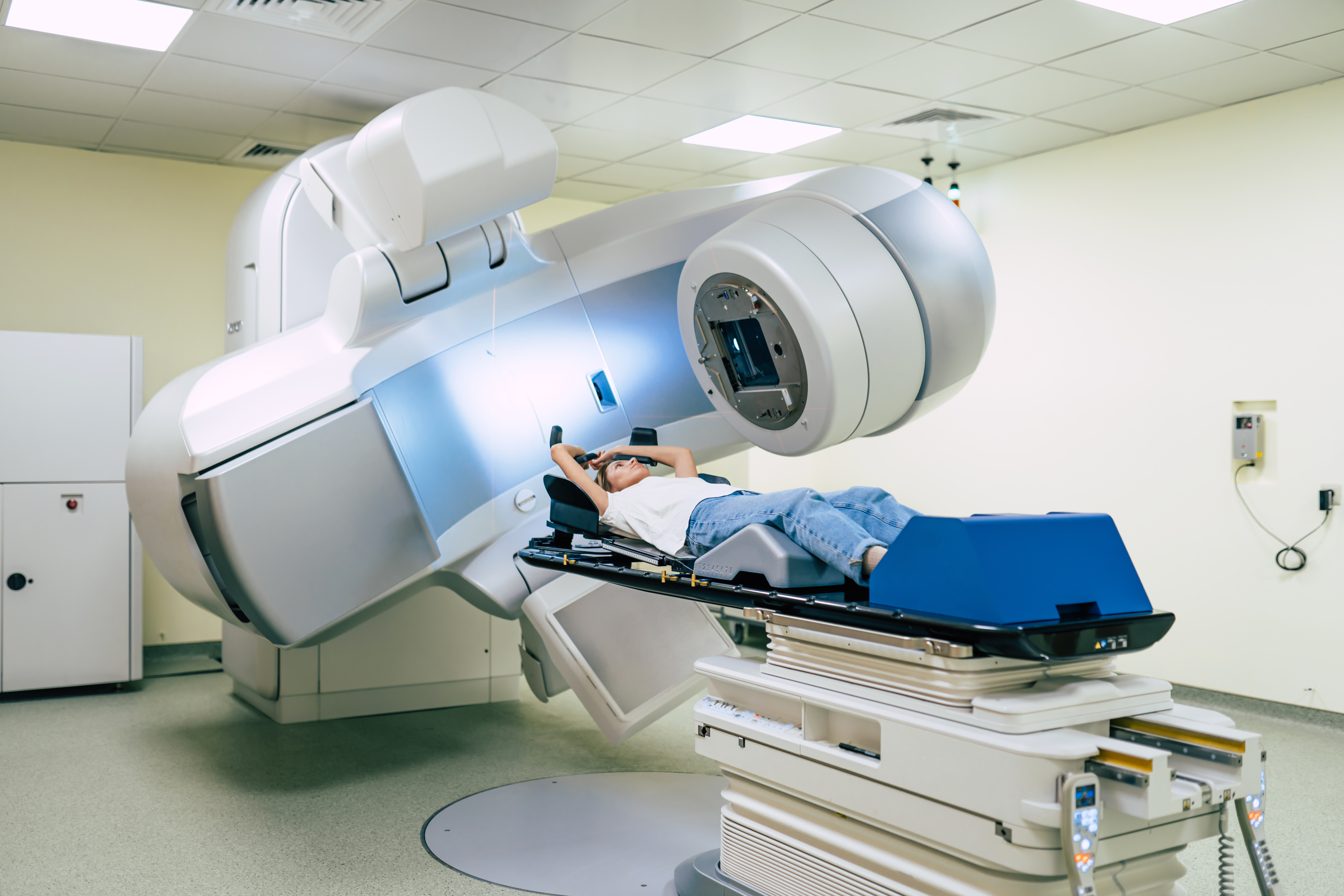
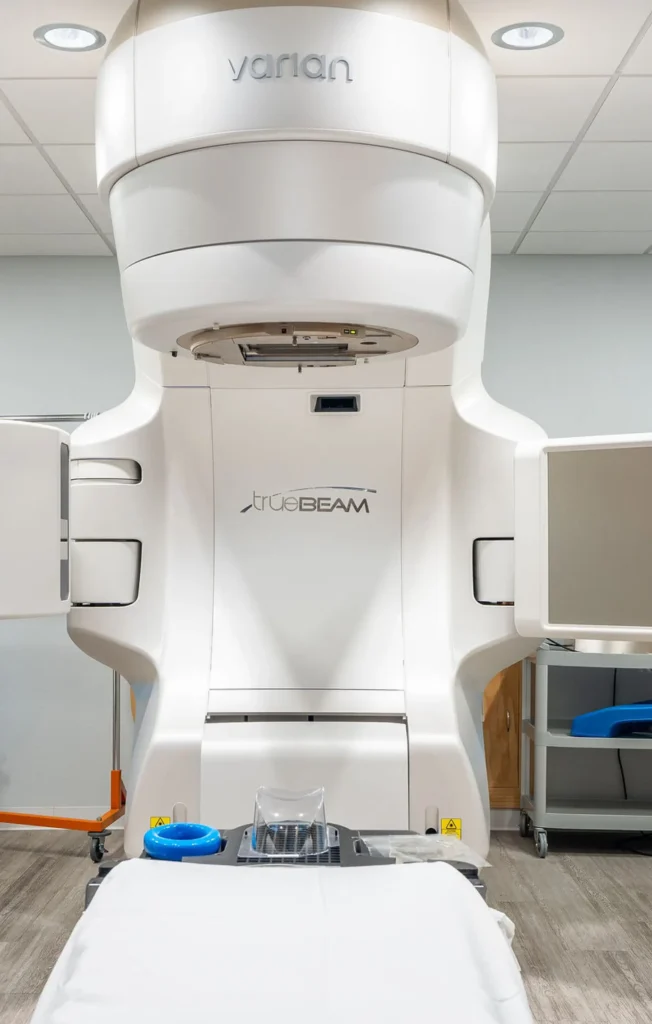
To deliver this radiation, clinicians used a magnetic resonance (MR) linear accelerator for 80% of the patients. The remaining participants were treated with a linac featuring computed tomography on rails.
Evaluating Success Without Surgery
Between six and 12 months after completing radiotherapy, patients underwent a percutaneous vacuum-assisted, image-guided core biopsy (VAIGCB). This procedure determined if the patient had achieved a pathological complete response, which would allow them to omit surgery.
Of the 19 patients biopsied, 10 (53%) achieved a pathological complete response. The data showed that the response rate was 45% for biopsies performed within six months and 63% for those performed within 12 months.
Researchers found that the baseline volume of the tumor did not correlate with the response. However, there was a correlation with the tumor volume after three months of endocrine therapy and the percentage of volume decrease from the baseline.
Long-Term Outcomes and Significance
For the patients who were able to omit surgery, the median follow-up period was 37.3 months. During this time, the disease progression rate among these patients was 0%.
The trial reported a 3-year progression-free survival rate of 92%. While one patient passed away during the study, the cause was not related to breast cancer.
According to Simona Shaitelman, MD, Professor of Breast Radiation Oncology at The University of Texas MD Anderson Cancer centre, advances in radiation delivery are opening doors to these nonoperative approaches.
The Path Forward
Because radiation therapy is widely accessible globally, it could potentially serve as a definitive treatment for more patients. Further rigorous study may be necessary to determine if these nonsurgical options can consistently deliver outcomes comparable to standard breast surgery.
Future research might further investigate how patient preferences and varied goals could influence the adoption of these nonoperative strategies.
Frequently Asked Questions
Who was eligible for this phase II trial?
The trial enrolled patients aged 50 or older with hormone receptor–positive, HER2-negative, stage I nonlobular breast cancer and an Oncotype DX score of 25 or below.
What determined if a patient could skip surgery?
Patients underwent a percutaneous vacuum-assisted, image-guided core biopsy (VAIGCB) 6 to 12 months after radiotherapy. If the biopsy showed a pathological complete response, surgery could be omitted.
What was the progression rate for those who did not have surgery?
Among patients who omitted surgery, the disease progression rate was 0% at a median follow-up of 37.3 months.
How do you feel about the emergence of non-surgical alternatives for early-stage cancer treatment?