
Fossil Evidence Shows Early Land Vertebrates Skipped Metamorphosis
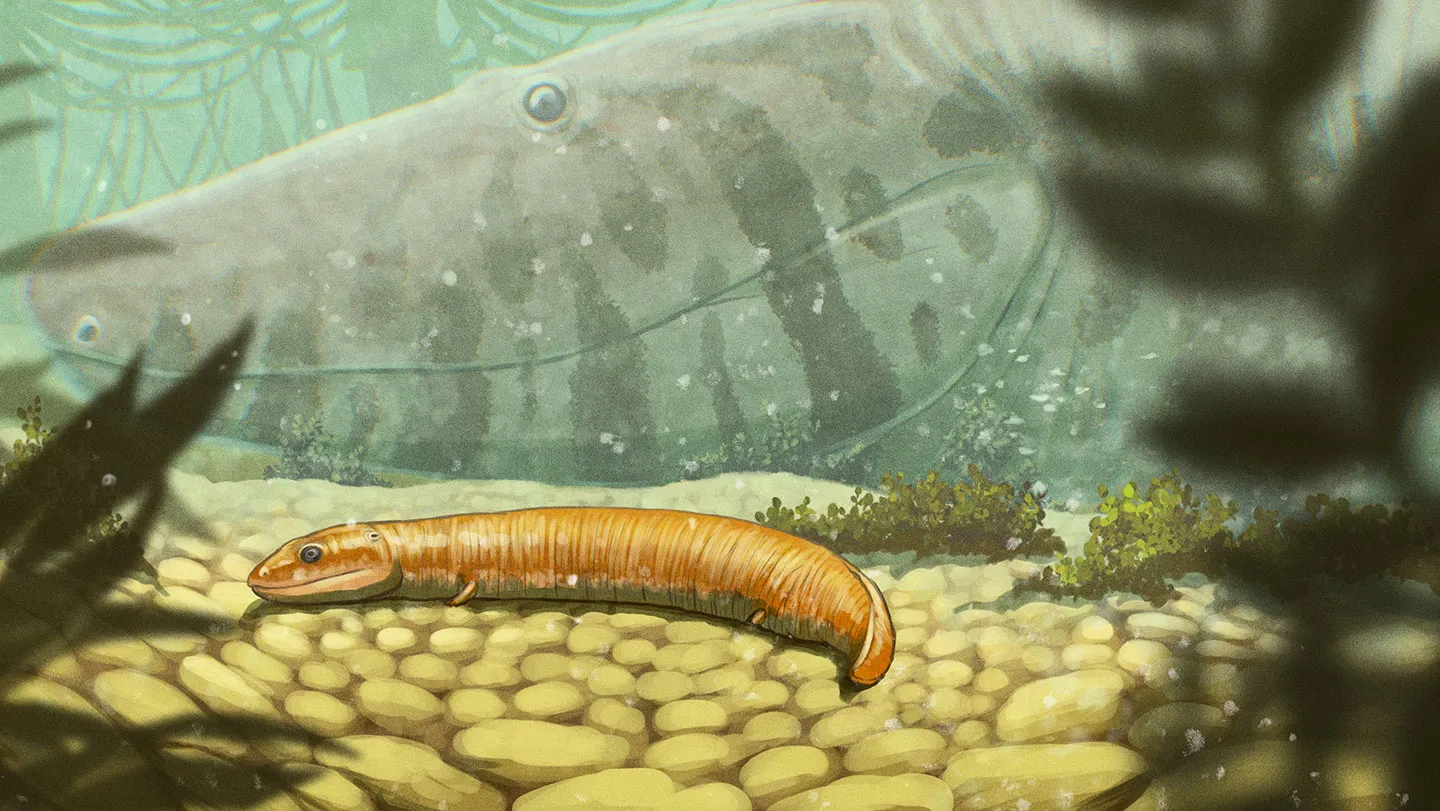
New fossil evidence reported June 18 in Science indicates that early vertebrates transitioning from water to land did not undergo an amphibian-like metamorphosis. Paleontologist Jason Pardo of the Field Museum in Chicago found that hatchlings of three different early tetrapod relatives emerged from eggs looking like adults.
How did scientists discover these early tetrapods?
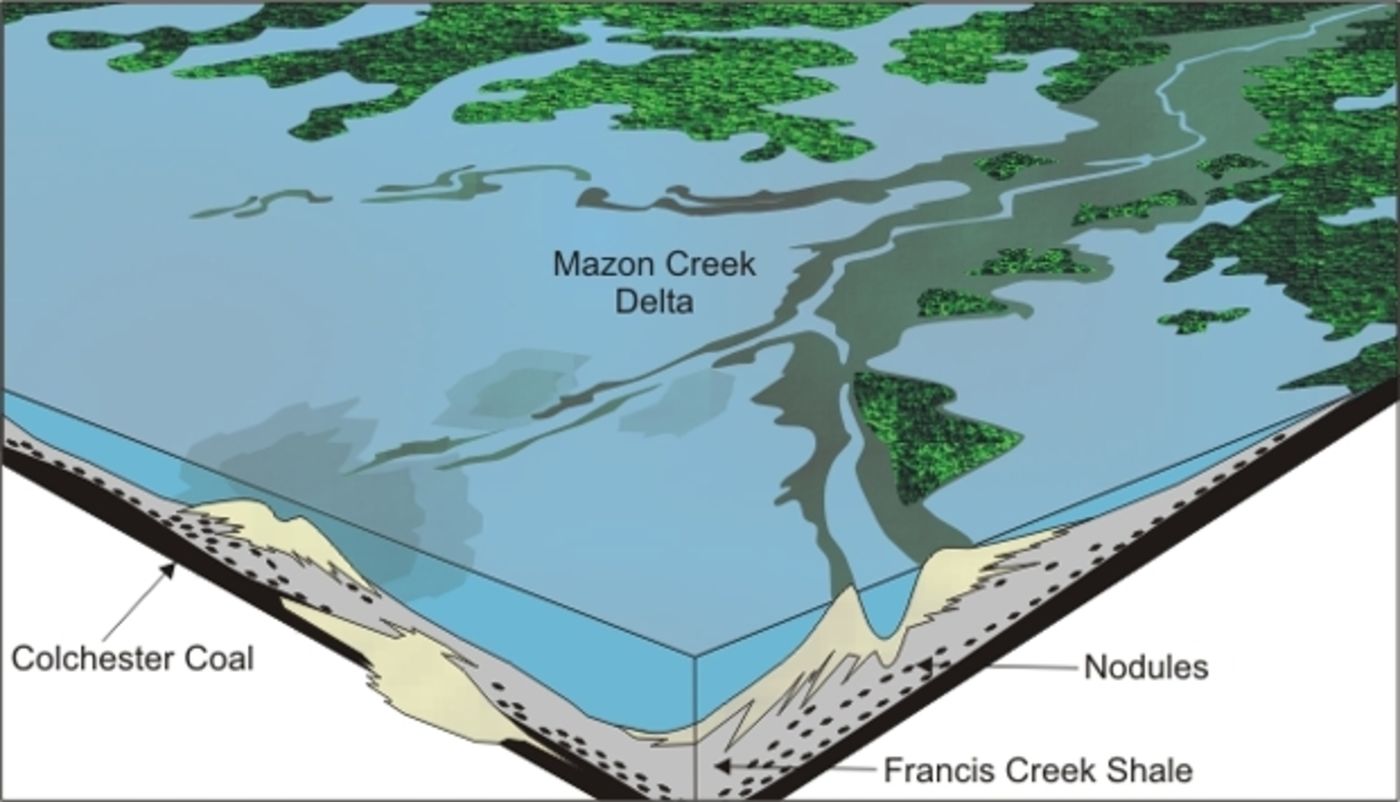
Jason Pardo and paleontologist Arjan Mann of the Field Museum analyzed fossils from Mazon Creek in Illinois. These specimens are roughly 308 million years old and include exceptionally preserved soft tissues like cartilage and skin.
The team used scanning electron microscope images to examine the hatchlings. They found that these animals lacked external gills and specific undeveloped bones typically associated with a larval stage.
Pardo stated that there is a pattern of none of these animals having anything that looks like a larval stage or metamorphosis. This contradicts the long-held assumption that the first vertebrates to venture onto land transitioned from a larval form.
Which animals prove the lack of metamorphosis?
The study focused on three distinct groups: the embolomere, the megalichthyid, and the aïstopod. Together, these represent early tetrapod development, which evolutionary biologist Laura Porro of University College London says makes the case strong.
Researchers analyzed two embolomere fossils only one or two centimeters long. One specimen still contained an internal yolk sac, which Porro says suggests the animals were very young.
The megalichthyid was a fishlike creature with skeletal features of later tetrapods, while the aïstopod was a limb-less tetrapod resembling a snake. Both likely had lungs, and megalichthyids also possessed internal gills.
Why does this change the history of land animals?
Modern amphibians undergo a rapid transition where they lose tail fins and external gills while gaining lungs and limbs. Scientists previously assumed this process was ancestral to all terrestrial vertebrates, including the group of four-limbed animals known as tetrapods.
Tetrapods include all mammals, birds, reptiles, and amphibians. Because these 308-million-year-old fossils lack larval traits, Porro says the evidence “pretty conclusively shows” that metamorphosis is not ancestral to all terrestrial vertebrates.
While the earliest known tetrapod relatives lived about 375 million years ago, the animals in this study are late-surviving examples of older lineages. This suggests their ancestors also grew without a rapid metamorphosis.
What happens next for evolutionary research?
Future textbooks may be rewritten to reflect that metamorphosis was not a requirement for the transition from water to land. This evidence provides a clearer picture of the first steps vertebrates took on land.

Scientists may continue to investigate how many times animals independently made the leap to terrestrial environments. Further analysis of soft tissue fossils could potentially reveal more about how these hatchlings breathed before growing larger.
Frequently Asked Questions
What is a tetrapod?
Tetrapods are a group of four-limbed animals that include all mammals, birds, reptiles, and amphibians.
Where were these fossils discovered?
The fossils were found in Mazon Creek, Illinois.
What specific features were missing from the hatchlings?
The hatchlings lacked external gills and specific undeveloped bones that are characteristic of an amphibian-like larval stage.
Do you think this discovery changes how we view the relationship between modern amphibians and other land animals?