
Brazilian Lawmaker Files Complaint Over Art Exhibition Alleging Religious Offense
Controversy Over Masp Exhibition Sparks National Debate on Art and Religion
What Led to the Legal Challenge Against the Exhibition?
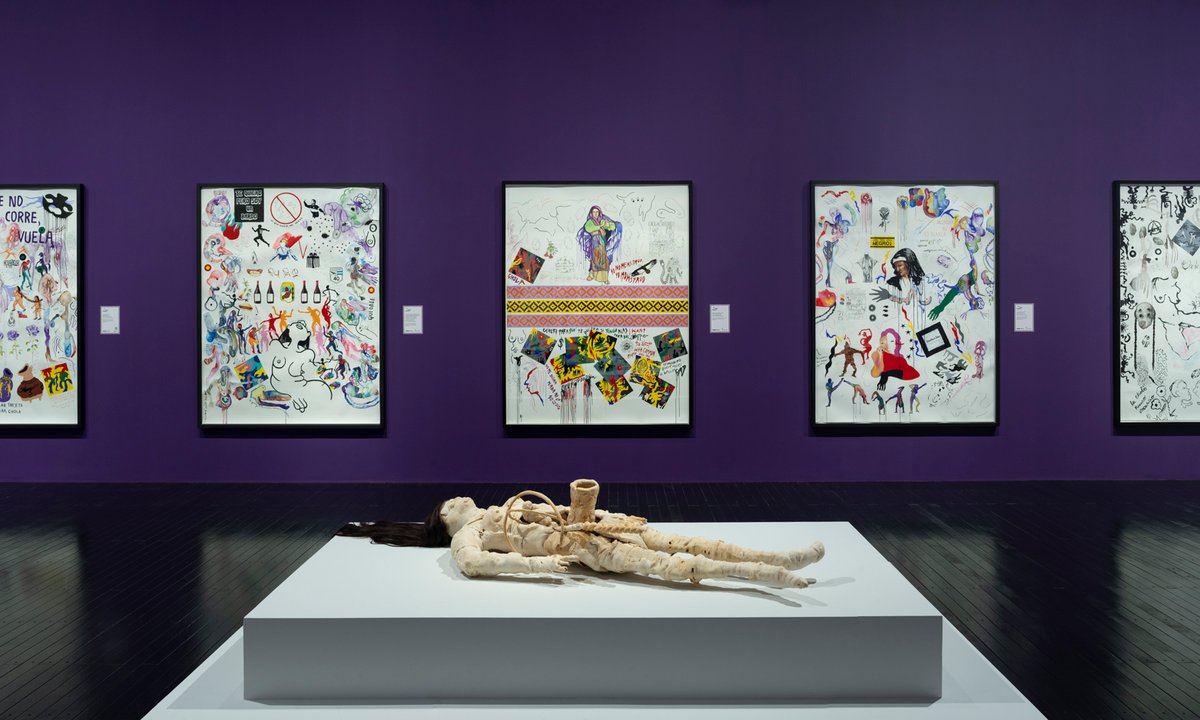
A right-wing Brazilian lawmaker, Danilo Balas of Jair Bolsonaro’s Liberal Party, filed a complaint with the Ministério Público do Estado de São Paulo (MPSP) against the Museu de Arte de São Paulo (Masp) in May 2024. The complaint alleged “religious offense” over the exhibition *La Chola Poblete: Pop Andino*, which features works by Argentine artist La Chola Poblete. Balas claimed the exhibition violated religious freedom by using “Christian and Mormon symbols in a disrespectful manner.” A Change.org petition titled “Respect for Faith and Citizenship” backed the complaint, gathering over 12,000 signatures.
How Are Art Institutions Responding to Religious Sensitivities?
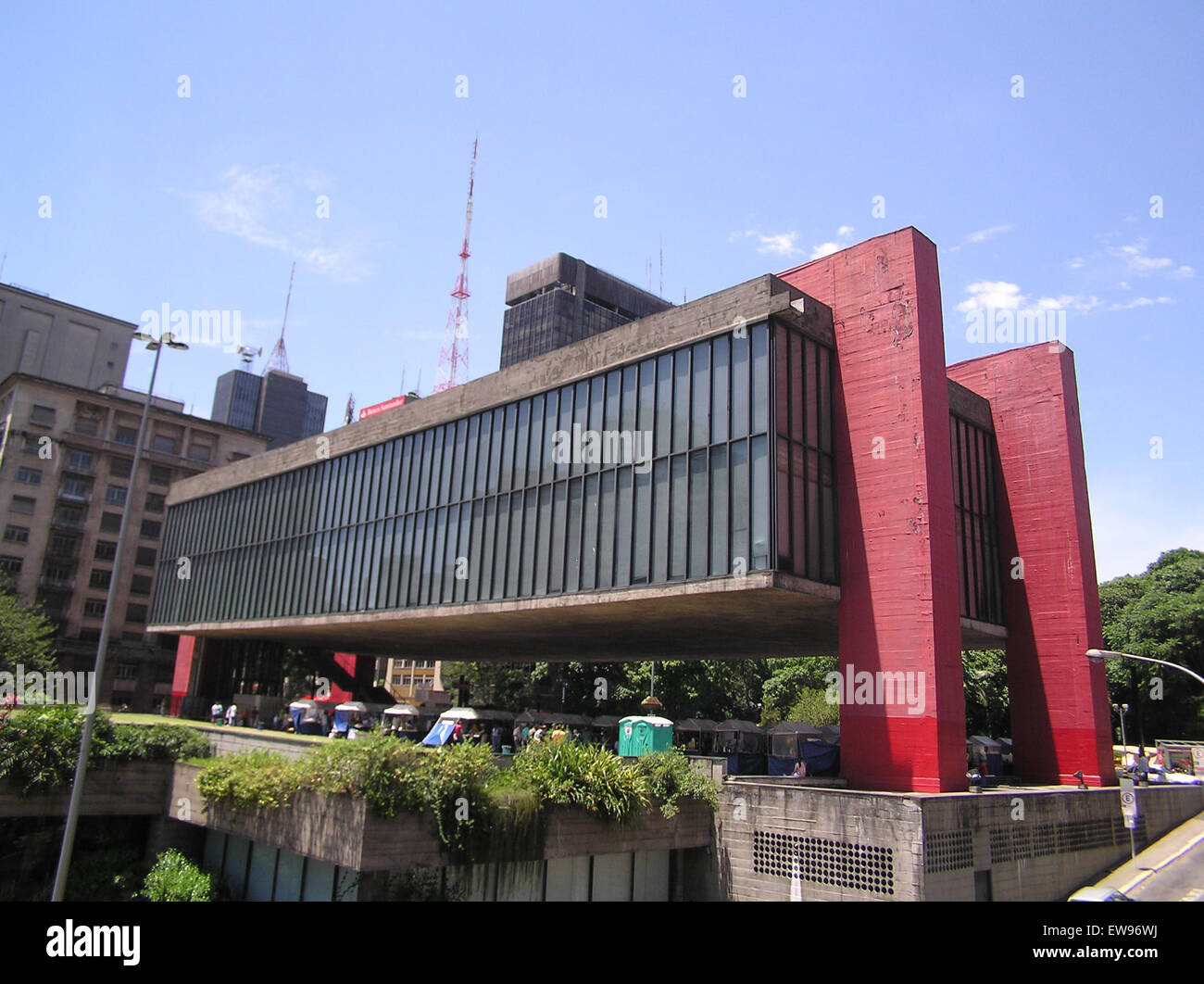
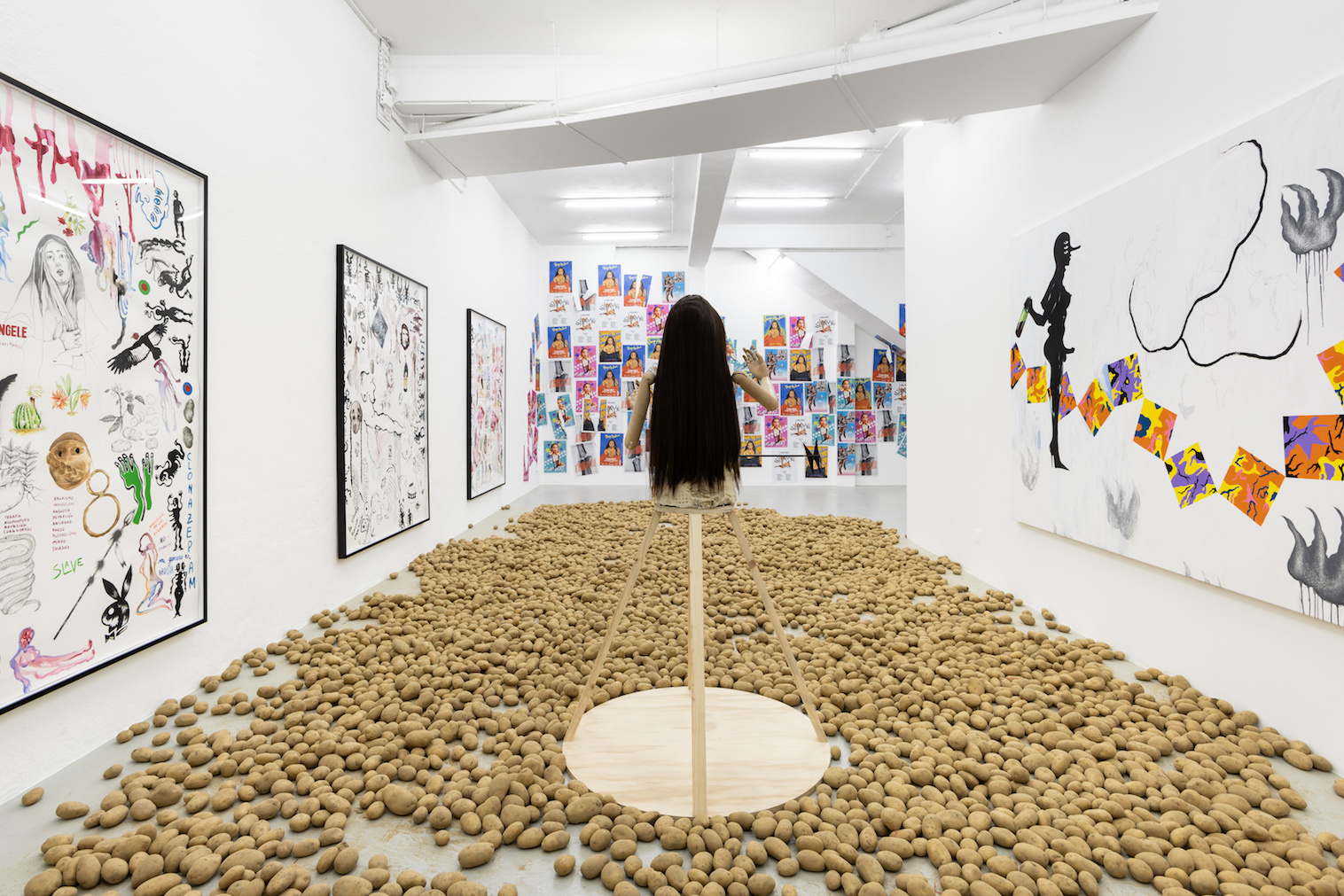
The MPSP dismissed the complaint on 3 June, calling it “abstract conjecture” and stating it lacked grounds for a civil investigation. A museum spokesperson emphasized that Masp “deeply respects freedom of artistic expression and religious freedom as fundamental rights.” The exhibition, curated by Adriano Pedrosa, includes 31 works by Poblete, a non-binary artist who reclaims the term “chola”—historically a racial slur—for her exploration of Indigenous identity and queer narratives.
What Does the Artist’s Work Reveal About Cultural Identity?
Poblete’s *Vírgenes cholas* series, showcased at the 2024 Venice Biennale, blends Andean and Catholic iconography with references to music, protest, and personal biography. The jury noted her work “resists the exoticisation of Indigenous women” and “draws on ancestral knowledge.” Poblete, born in 1989 in Argentina, uses her alter ego “Chola” to challenge colonial histories and the marginalization of Indigenous and queer bodies.
Why Is This Dispute Significant for Brazil’s Cultural Landscape?
The clash reflects broader tensions in Brazil over art’s role in addressing religious and cultural identity. Balas’ complaint aligns with conservative groups advocating for “sensitive” representation of faith in public spaces. Meanwhile, Masp’s defense mirrors global trends where institutions prioritize artistic freedom over political or religious pressure. Similar debates have emerged in Argentina and Chile, where Indigenous and LGBTQ+ artists face scrutiny for reinterpreting traditional symbols.
What Are the Broader Implications for Art and Policy?
The MPSP’s rejection of the complaint signals a legal precedent for protecting artistic expression, but it also highlights the vulnerability of artists who challenge mainstream narratives. In 2023, a similar case in Mexico saw a court rule against censors targeting a feminist art exhibit. Analysts suggest such disputes will grow as artists increasingly use their work to confront systemic inequalities.
Future Trends in Art, Religion, and Public Discourse

What Could Happen Next in This Case?
Balas has not commented on the MPSP’s decision, but his party has previously supported stricter regulations on “offensive” art. The museum’s exhibition remains open until 2 August, with no indication of changes to its content.
How Are Global Institutions Balancing Art and Faith?
Museums in Europe and the U.S. often face similar conflicts. The Louvre’s 2022 exhibition *Sacred and Subversive* drew criticism for its portrayal of religious figures, while the Smithsonian’s *Reckoning* series sparked debates about historical representation. These cases underscore the challenge of reconciling artistic innovation with cultural sensitivities.
FAQ: Key Questions About the Masp Exhibition Controversy
Why is the exhibition considered controversial?
The exhibition’s use of religious symbols in a queer and Indigenous context has drawn accusations of disrespect from conservative groups.
What is La Chola Poblete’s artistic background?
Poblete, a non-binary Argentine artist, reclaims the term “chola” to address colonialism, gender, and Indigenous identity through her work.
How did the museum respond to the complaint?
Masp stated it “deeply respects freedom of artistic expression” and emphasized its role in fostering cultural dialogue.
Did You Know?
The term “chola” has roots in Quechua and Aymara languages, historically used to describe Indigenous women but now reclaimed as a symbol of resistance.
Pro Tip
Artists navigating cultural debates often collaborate with historians and community leaders to contextualize their work, balancing innovation with respect for tradition.
Explore More
Read about the 2024 Venice Biennale’s impact on Indigenous art | Discover how museums worldwide handle religious controversies
Connect With Us
What do you think about art’s role in challenging religious and cultural norms? Share your perspective in the comments below. Stay updated with more stories on our blog.