
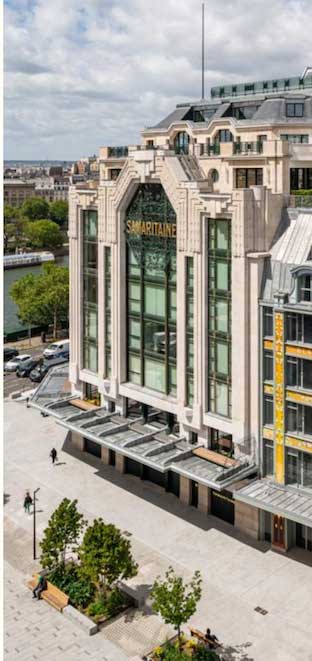
Brazilian Luxury Design Pop-Up at La Samaritaine Paris
The Rise of ‘Cultural Retail’: Why Luxury is Moving Beyond the Transaction
For decades, luxury shopping was about the product—the stitching of a handbag, the carat of a diamond, or the heritage of a logo. But the tide is shifting. We are entering the era of Cultural Retail, where the store is no longer just a point of sale, but a curated gallery of identity, art, and sensory experience.
The recent trend of integrating high-concept national identities—such as the fusion of Brazilian modernism within Parisian landmarks—signals a deeper strategy. Luxury conglomerates are no longer just selling goods; they are selling “cultural capital.” By blending architecture, fragrance, and regional art, brands create an emotional anchor that justifies premium pricing and fosters deep brand loyalty.
Sensorial Design: The New Frontier of Consumer Engagement
We are seeing a move toward sensorial design—an approach that engages all five senses to trigger emotional responses. This isn’t just about “nice decor”; it’s a psychological tool used to increase dwell time and average transaction value.
Consider the use of “biophilic design”—integrating lush vegetation and organic curves into sterile urban environments. This contrast creates a “sanctuary effect,” making the shopper feel transported. When a customer feels they have “travelled” to another continent without leaving the city, the dopamine release increases, making them more receptive to impulse luxury purchases.
Real-world examples can be seen in the flagship stores of brands like Gentle Monster, which treat their retail spaces more like contemporary art museums than eyewear shops. The result? A massive increase in organic social media visibility and a cult-like following.
The Architecture of Desire
The dialogue between architectural giants—such as the intersection of European brutalism and South American organicism—is becoming a recurring theme in high-end retail. By referencing masters like Oscar Niemeyer or Le Corbusier, brands align themselves with intellectual prestige.
This “intellectualization” of shopping transforms the consumer from a buyer into a connoisseur. It moves the conversation from “Do I like this dress?” to “Do I align with this aesthetic philosophy?”
The ‘VIP Ecosystem’: From Loyalty programmes to Private Clubs
The traditional loyalty card is dead. In its place, we see the rise of the Private Ecosystem. The modern luxury strategy involves creating layers of accessibility: the public floor, the curated gallery, and finally, the “Inner Sanctum” (like the exclusive apartments or hidden lounges found in top-tier department stores).
This tiered access creates a powerful psychological driver: the desire for inclusion. By restricting certain experiences to a select few, brands increase the perceived value of the brand for everyone.
This trend extends into the travel sector. We are seeing a surge in bespoke concierge services that don’t just book hotels, but secure “impossible” access—private viewings of art collections or after-hours access to retail galleries.
Future Trend: The ‘Teaser’ Effect in Global Tourism
One of the most sophisticated trends emerging is the use of Micro-Destinations. This is where a retail event in a city like Paris or New York acts as a “teaser” for a physical trip to another part of the world.
Imagine a high-end pop-up dedicated to Brazilian design in Europe. It doesn’t just sell Brazilian products; it sells the idea of Brazil. By the time the customer leaves the store, they aren’t just thinking about the furniture they bought—they are thinking about booking a flight to Rio de Janeiro to see the architecture in person.
This creates a symbiotic relationship between luxury retail and high-end tourism, turning shopping centers into global travel agencies.
Key Semantic Trends to Watch:
- Hyper-Localization: Bringing the authentic “soul” of a distant region into a metropolitan hub.
- Curated Commerce: The shift from “stocking products” to “curating collections” via guest editors and artists.
- Emotional Architecture: Designing spaces that evoke specific moods (serenity, energy, nostalgia) to drive sales.
FAQ: The Future of Luxury Retail
Q: Why is luxury retail becoming more like an art gallery?
A: To differentiate from e-commerce. Since you can buy almost anything online, physical stores must provide an emotional and intellectual experience that cannot be replicated on a screen.
Q: What is ‘Sensorial Design’ in a shopping context?
A: It is the strategic use of lighting, scent, sound, and tactile materials to create an immersive environment that influences consumer mood and behavior.
Q: How does cultural fusion affect brand value?
A: It adds a layer of “sophistication” and “worldliness” to the brand, appealing to global citizens who value diversity, art, and authentic cultural exploration.
Q: Will traditional shopping disappear?
A: No, but it is evolving. Shopping is shifting from a chore (buying what you need) to a leisure activity (exploring what you love).
Join the Conversation on Luxury Evolution
Are you seeing these trends in your favourite cities? Do you prefer a traditional boutique or an immersive cultural experience?
Share your thoughts in the comments below or subscribe to our newsletter for more insider insights into the world of ultra-luxury and global travel.