

Brazil’s Sports Betting Boom: World Cup Fever and the Cost of Addiction
Brazil’s online gambling market generates an estimated $7 billion annually, according to government and industry figures reported by NPR. While legalized in 2018 and regulated recently, the boom has sparked concerns over debt and addiction, particularly among low-income citizens using betting apps to pay monthly bills.
Why is online betting growing so rapidly in Brazil?
The surge is driven by a combination of legal shifts and massive market scale. Online betting became legal in 2018 and moved under full government regulation last year, which introduced licensed platforms to monitor transactions and fair play, according to reporter Julia Carneiro.

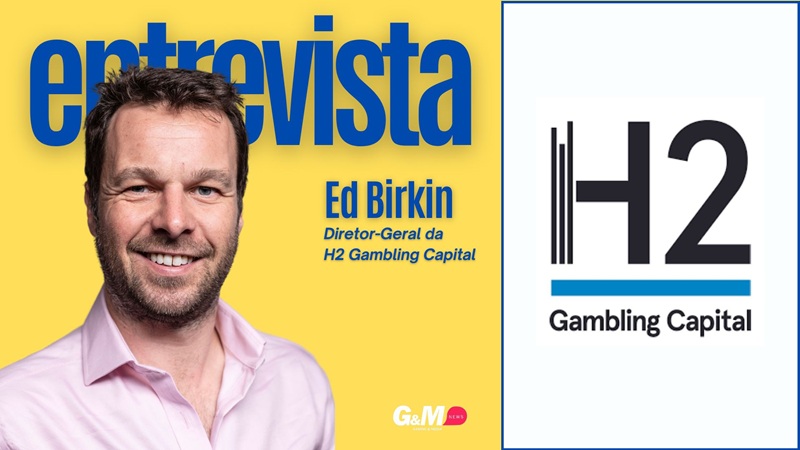
Ed Birkin, managing director of H2 Gambling Capital, notes that the sheer size of the population lured foreign firms. Birkin describes Brazil as “pretty much a continent” with roughly 170 million adults available as potential customers.
Betting companies have integrated themselves into the fabric of Brazilian culture. They sponsor major football clubs and employ global stars like Neymar and Vinicius Jr. as the faces of their brands. Birkin warns that the industry is now so embedded that almost every team in the league would face “dire financial trouble” if these sponsorships vanished.
How does Brazilian gambling differ from the U.S. market?
The motivation for gambling in Brazil often stems from financial desperation rather than leisure. David Nemer, an associate professor of media studies at the University of Virginia, explains that low-income Brazilians often use betting apps to seek “extra income” to cover basic monthly bills.
This creates a stark contrast with the U.S., the world’s largest betting market, where gambling is more frequently framed as entertainment. Nemer’s research suggests that in Brazil, the combination of smartphones, aggressive advertising, and economic pressure creates a “perfect environment” for betting companies to exploit vulnerable populations.
What are the social costs of the gambling boom?
The rapid expansion has led to a surge in debt and mental health crises. Gamblers Anonymous reports a spike in demand for its services over the last two years as more people struggle with compulsive gambling.
One individual, speaking to NPR on condition of anonymity, detailed losing over $30,000 and his car to sports betting. He described the experience as a “trauma,” noting that he can no longer watch World Cup matches because the ubiquitous betting ads trigger his addiction.
President Luiz Inacio Lula da Silva has characterized the situation as a “massive tragedy.” In a recent interview, the president stated, “if it’s up to me, we close the bets.”
How is the government responding to gambling addiction?
To combat the crisis, the Brazilian government has implemented two primary tools: a dedicated mental health service to treat addiction and a digital platform where citizens can voluntarily block their betting accounts, according to NPR.
These measures come as major sporting events, specifically the World Cup, act as catalysts for increased betting activity. Nemer predicts the 2026 World Cup will be the “biggest betting event in Brazilian history,” further testing the efficacy of these government safeguards.
Comparison: Market Drivers and Impacts
| Feature | Brazil Market | U.S. Market |
|---|---|---|
| Primary Driver | Income supplementation (Low-income) | Entertainment/Leisure |
| Regulation | Recent full government regulation | Established state-by-state frameworks |
| Market Size | ~$7 Billion annually | World’s largest betting market |
Frequently Asked Questions
Is online betting legal in Brazil?
Yes, online betting was legalized in 2018 and came under full government regulation last year.
How much money does the Brazilian gambling market generate?
According to government and industry figures, it generates an estimated $7 billion per year.
What is the government doing about gambling addiction?
The government has launched mental health services and a platform for users to voluntarily block their betting accounts.
Do you think sports sponsorships should be limited to protect vulnerable fans? Share your thoughts in the comments below or subscribe to our newsletter for more deep dives into global economic trends.