
Breaking Menstrual Taboos: How to Support Girls and Adolescents
Menstruation is a natural biological process, yet it remains shrouded in silence, shame and widespread misinformation. Many girls and adolescents navigate their first bodily changes without clear guidance, while families and educators often lack the necessary tools to facilitate these essential conversations.
Breaking the Taboo of Menstrual Health
In recognition of Menstrual Hygiene Day, gynecologist Lorena Pacienza and the menstrual care brand Kotex have introduced practical recommendations to help schools and families discuss menstruation with empathy, and openness.
Dr. Pacienza emphasizes that home and school are the primary environments where children and adolescents learn whether certain topics can be discussed naturally. Establishing these open channels is critical for healthy development.
The Importance of Direct Language
Avoiding euphemisms and silences is a primary step in breaking long-standing taboos. Dr. Pacienza notes that when things are named clearly, the stigma is reduced.
Historically, the lack of open dialogue regarding the menstrual cycle has limited opportunities for women due to a deficiency in information and education. Viewing menstrual health as a way to understand one’s own body is essential.
Validating Emotional Experiences
The onset of the first menstruation can trigger a variety of emotions, ranging from joy and confusion to fear and discomfort. Specialists recommend avoiding dismissive phrases such as “it is nothing.”
Instead, using open-ended questions helps validate these emotions. Environments characterized by silence or shame may lead to anxiety, fear, and the mistaken belief that menstruation is something that must be hidden.
Expanding the Conversation
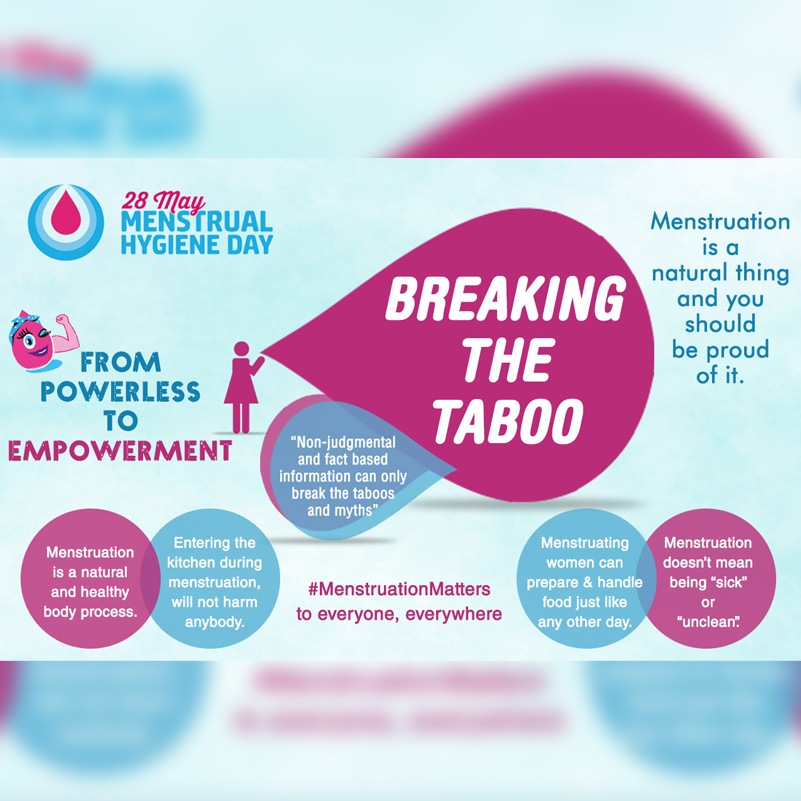
Education regarding the menstrual cycle should not be limited to girls. Including boys in these discussions helps dismantle prejudices and prevents bullying by framing menstruation as a healthy, natural process.
experts advise against reinforcing stereotypes through phrases like “you have now become a woman.” Such comments can create undue pressure or expectations that adolescents may not be ready to handle.
Prioritizing Support Over Perfection
Families and teachers do not need to have every perfect answer to be supportive. Being available and validating a child’s emotions is often more impactful than providing a technically correct response.
This support system is vital for girls who may still feel the need to hide menstrual products out of shame or feel uncomfortable discussing their bodies.
Educational Initiatives and Future Outlook
To combat these stigmas, the #ChauTabú educational program provides workshops on puberty, body diversity, and menstruation within schools and sports centres across various cities.
This effort is complemented by the “Verano Sin Tabú” campaign, which focuses on the specific challenges women and girls face during the summer, particularly regarding menstruation at the beach and in swimming pools.
As these educational programmes expand, more adolescents could experience puberty with greater confidence. A shift toward open communication may likely lead to a reduction in the anxiety and social stigmas currently associated with menstrual health.
Frequently Asked Questions
What are some of the most frequent myths about menstruation? Common myths include the idea that menstruation is “dirty,” that one cannot exercise or go to the pool during their period, and the belief that a girl stops being a child after her first menstruation. Why should boys be included in conversations about menstruation? Including boys helps break down prejudices, prevents mockery, and promotes more empathetic relationships from an early age by framing menstruation as a natural and healthy process. What is the purpose of the #ChauTabú program? #ChauTabú is an educational initiative that brings workshops on menstruation, puberty, and body diversity to schools and sports spaces in different cities. How can communities better support adolescents in navigating the emotional changes of puberty?