

Breakthrough Alzheimer’s Therapies: Hope, Progress, and the Path Forward for Patients
For decades, Alzheimer’s disease was a diagnosis with little hope—until now. The first wave of disease-modifying therapies targeting amyloid and tau proteins has arrived, marking a turning point in how clinicians and patients view the disease. But with more than 150 therapies in development and real-world data showing early promise, the question is no longer whether progress is possible, but how quickly it can reach those who need it most.
What Happened: A Shift from Symptom Management to Disease Modification
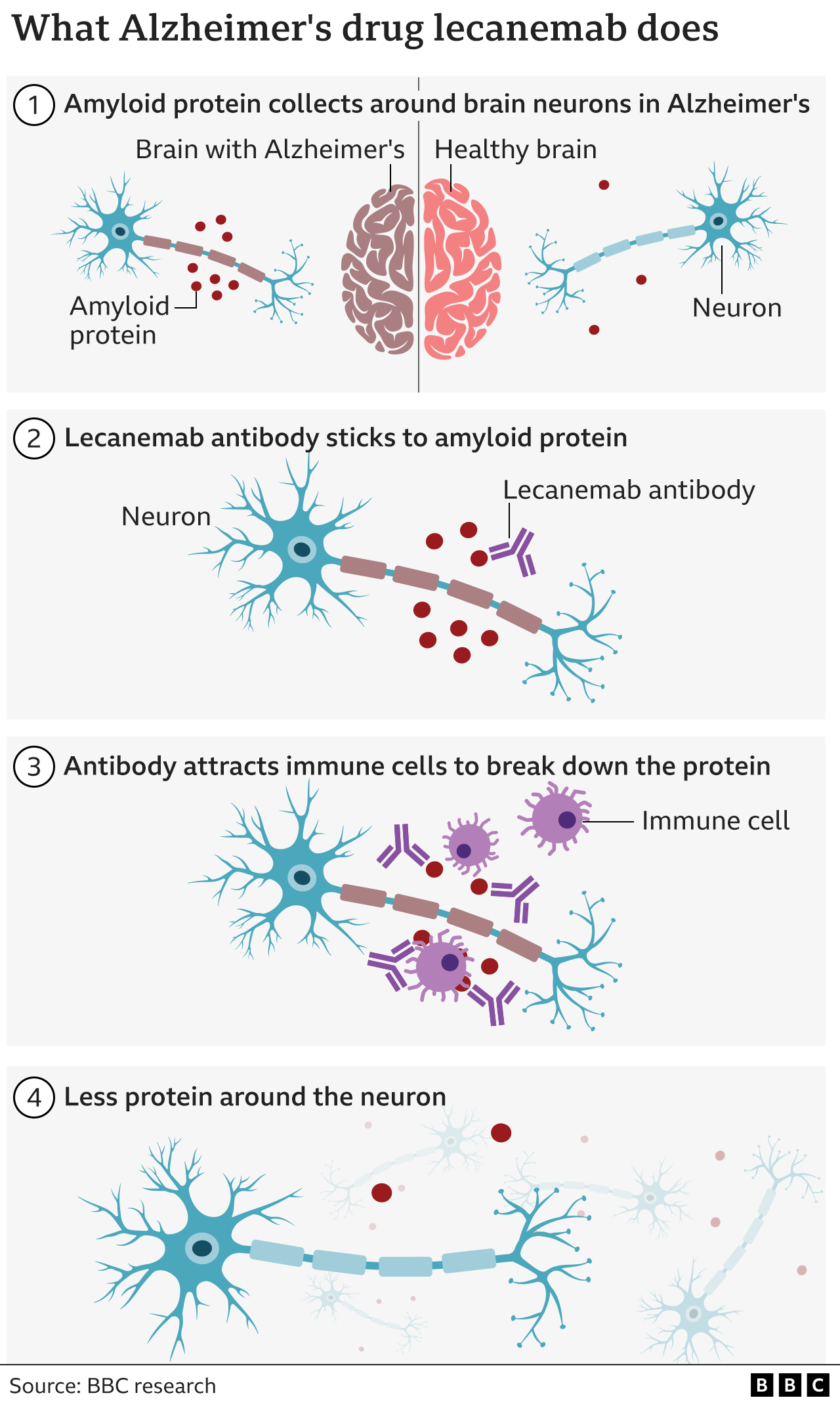
Alzheimer’s treatment has entered a new era. For the first time, drugs like those targeting amyloid plaques—long considered hallmarks of the disease—are demonstrating the ability to slow progression in some patients. Real-world data from the Alzheimer’s Association’s ALZ-NET initiative reveals measurable improvements in daily functioning after just six months of treatment, including tasks like writing checks, shopping independently, and engaging with family. These gains extend beyond cognitive test scores, offering tangible benefits that matter deeply to patients, and caregivers.

Yet challenges remain. Diagnosis often occurs too late for emerging therapies to have their intended impact. Access to specialists is uneven, referral pathways are unclear, and insurance coverage for both diagnostics and treatments is still evolving. Meanwhile, the field is expanding rapidly: clinical trials now explore at least 17 distinct biological targets, from inflammation to vascular health, with repurposed drugs potentially accelerating progress.
Why It Matters: Beyond Cognitive Tests to Real-Life Impact
The implications of these advances go far beyond clinical trial endpoints. For caregivers, even modest improvements—such as a patient recognising loved ones or managing daily tasks—can mean the difference between dependence and dignity. As one caregiver put it, *”If a treatment gives us more time where my mom knows who we are… That’s worth it.”* This shift mirrors the evolution seen in other complex diseases like cancer and multiple sclerosis, where early breakthroughs paved the way for broader, more effective treatments over time.

Clinicians now face a critical role as “emissaries of hope,” translating complex science into actionable options for patients. The U.S. POINTER trial further underscores this potential, showing that structured lifestyle interventions—combining physical activity, nutrition, cognitive engagement, and health monitoring—can improve cognition in at-risk older adults. The possibility of combining such interventions with drug therapies adds another layer to personalized care.
What May Happen Next: Scenarios for the Future of Alzheimer’s Care
Several possible trajectories could unfold in the coming years:
- Combination Therapies: Clinicians may increasingly prescribe multiple treatments targeting different biological pathways (e.g., amyloid, tau, inflammation) in tandem, much like modern cancer care.
- Earlier Interventions: With blood-based biomarkers and improved screening, diagnosis could shift from late-stage symptoms to midlife risk assessment, allowing preventive or early-stage treatments.
- Expanded Access: Health systems could adopt clearer referral pathways, shorter wait times for specialists, and broader insurance coverage for diagnostics and treatments, though this will depend on policy and payer decisions.
- Lifestyle-Drug Synergies: Trials like POINTER may lead to standardized lifestyle programmes paired with medications, offering a holistic approach to cognitive health.
However, gaps in implementation—such as uneven access to specialists or delayed insurance approvals—could slow progress if not addressed proactively.
Frequently Asked Questions
Are the new Alzheimer’s drugs a cure?
No. Current therapies slow disease progression in some patients but do not reverse damage or provide a cure. They represent an important first step toward modifying the disease process.
How soon could combination therapies become available?
The timeline is uncertain, but with over 150 therapies in trials targeting multiple pathways, clinicians may begin exploring combinations within the next 5–10 years, depending on trial results and regulatory approvals.
Can lifestyle changes alone prevent Alzheimer’s?
While the POINTER trial shows structured interventions can improve cognition in at-risk individuals, lifestyle changes are not a substitute for emerging drug therapies. The most promising outcomes may come from integrating both approaches.
Why is early diagnosis important?
Early intervention with disease-modifying therapies could preserve cognitive function and independence for longer periods. Blood-based biomarkers are making earlier detection feasible, but healthcare systems must adapt to act on these findings promptly.
How can patients access these treatments?
Access depends on diagnosis timing, specialist availability, and insurance coverage. Patients should discuss symptoms with their primary care provider, who can guide referrals to neurologists or memory clinics familiar with new diagnostics and treatments.
As Alzheimer’s research accelerates, how might these advances change the way you or your loved ones approach cognitive health in the coming years?