

Brendan Sorsby: The Work Ahead
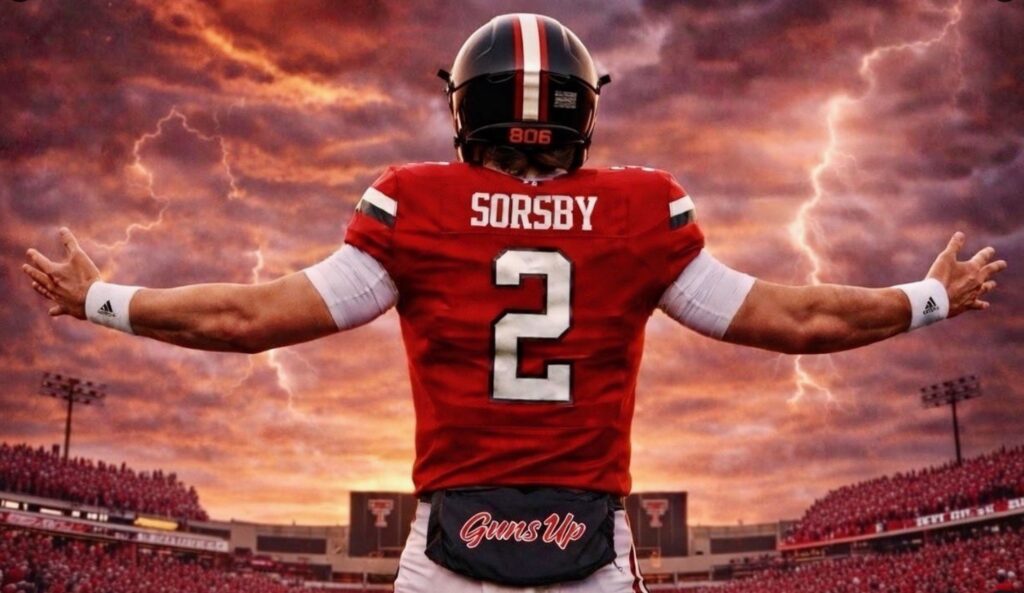
Texas Tech quarterback Brendan Sorsby has completed an in-patient residential treatment program for a diagnosed gambling addiction and anxiety disorder. The athlete is now expressing a desire to return to college football in 2026, though his eligibility may depend on the decision of the NCAA.
A Path Toward Recovery
In a statement posted on Instagram, Sorsby confirmed he finished his treatment last Friday. He expressed gratitude toward his family, friends, the Texas Tech community, and the staff at Algamus Recovery Services.
Sorsby stated that he accepts responsibility for his behavior and views this as the start of a new beginning. He hopes his openness regarding his struggle may help reduce the stigma associated with addiction and mental health issues for other student-athletes.
The Impact of Legalized Gambling
Sorsby’s situation highlights a broader issue facing major-college athletes who have grown up during an era of widespread legalized gambling. The prevalence of ubiquitous advertising often lures individuals into betting under the false impression that winning is a sustainable outcome.
The reality is that sportsbooks generate significant profit because the majority of bettors do not win over the long term. This environment has contributed to an epidemic of addiction among those attracted by the promise of easy gains.
Looking Toward the Future
Sorsby is now preparing to return to campus in Lubbock with the support of his university, teammates, and coaches. He remains committed to ongoing treatment and wishes to serve as a resource for other youth dealing with similar mental health challenges.
Regarding his athletic career, a return to the field in 2026 is a possible next step. However, this outcome could be complicated if the NCAA chooses not to allow his participation.
Frequently Asked Questions
What treatment did Brendan Sorsby complete?
Sorsby completed a residential treatment program for a diagnosed anxiety disorder and gambling addiction.
When does Sorsby hope to play college football again?
He is hoping to play college football in 2026, provided the NCAA allows it.
Who provided the professional recovery services for Sorsby?
He received care from the experts and staff at Algamus Recovery Services.
How can college sports programs better protect student-athletes from the pressures of the legalized gambling industry?