
Budget 2026-27: Govt Defends Economic Policy as Opposition Slams IMF Influence
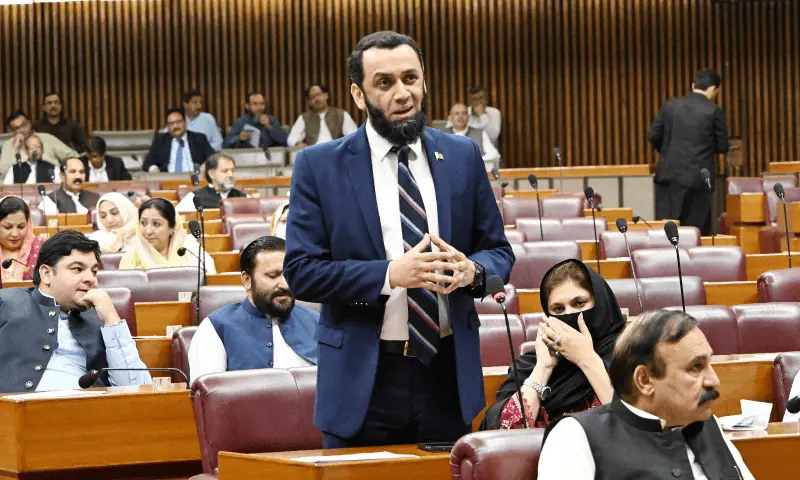
Information Minister Attaullah Tarar invited opposition leaders to sign a Charter of Economy (CoE) on Sunday, defending the federal government’s fiscal year 2026-27 budget as a relief-oriented policy. During the National Assembly debate, Tarar credited the government with stabilizing the economy and proposed the abolition of the super tax to stimulate growth.
Budgetary Debate and Political Tensions
The federal budget for FY27, presented on June 12, focuses on enforcement measures and tax schemes for small traders and social media earnings rather than traditional tax hikes. However, the proposal has faced significant pushback from opposition members who argue the measures are insufficient to address current economic hardships.

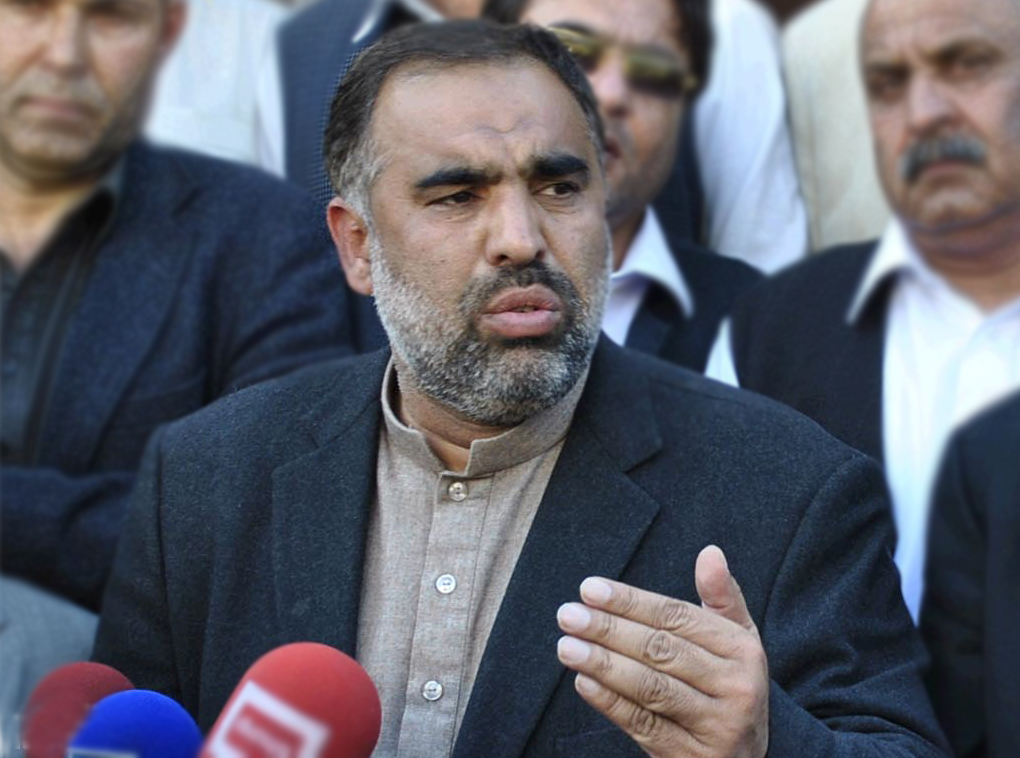
PTI leader Asad Qaiser claimed on the floor of the National Assembly that the budgetary proposals originated from the International Monetary Fund (IMF). Qaiser further alleged that the agricultural sector faces a potential loss of Rs2.2 trillion, citing a lack of relief for farmers, particularly in the tobacco sector where he claims taxes have risen by 390 percent.
Did You Know?
Despite the government’s claim of a relief-oriented budget, opposition member Sharmila Faruqui noted that while the salaried class paid Rs550 billion in taxes last fiscal year, the current budget provides only Rs50 billion in relief to that same sector.
Economic and Regional Implications
The debate highlighted deep regional and social concerns regarding the government’s fiscal direction. Opposition leaders raised alarms over the lack of development funding for provinces, with Asad Qaiser noting that the federal government owes Rs434 billion in outstanding dues to Khyber Pakhtunkhwa. Meanwhile, PPP leader Sharmila Faruqui criticized the allocation for infrastructure, pointing out that only Rs10 billion was earmarked for the Sukkur-Hyderabad Motorway out of a total Rs224 billion allotted to the National Highways Authority.
Expert Insight:
The divide between the government’s push for a “Charter of Economy” and the opposition’s focus on fiscal grievances suggests that future parliamentary sessions may remain gridlocked. The government’s ability to implement its revenue-collection strategy—specifically regarding social media earnings and small trader taxes—could depend on whether it can secure political consensus or if it will face prolonged legislative resistance.
What May Happen Next
As the debate continues, the government may face further pressure to adjust specific tax slabs to appease agricultural and trade sectors. If the opposition maintains its current stance, the proposal to sign a Charter of Economy could remain stalled, potentially hindering the government’s efforts to present a unified front to international financial institutions. Observers expect that lawmakers will continue to prioritize local and political issues over the technical details of the budget in upcoming sessions.
Frequently Asked Questions
What is the government’s primary goal with the FY27 budget?
According to Information Minister Attaullah Tarar, the budget is intended to be relief-oriented for the salaried, corporate, real estate, and export sectors, with a specific focus on abolishing the super tax to revive economic activity.
What concerns has the opposition raised regarding the agricultural sector?
PTI leader Asad Qaiser argued that farmers in Punjab could suffer losses of Rs2.2 trillion due to inadequate relief, and claimed that tobacco farmers in Khyber Pakhtunkhwa are being negatively impacted by a 390 percent tax increase.
How has the government responded to criticism regarding youth and poverty?
While the government maintains the economy is on the right track, opposition members like Sharmila Faruqui have argued that the budget offers “nothing significant” for the youth, noting that 68 percent of the country is under the age of 30 and that current poverty statistics indicate significant hardship.
Will the current parliamentary deadlock over the budget affect the speed of the government’s economic reforms?