

Building Trust and Accountability in AI-Driven Government
The Rise of the ‘Agentic State’: How AI is Rewriting the Rulebook for Public Service
For decades, government has been defined by bureaucracy—a slow, reactive, and often paper-heavy machine. But as we stand on the precipice of a new era, the definition of the “public servant” is changing. We are moving toward the era of the agentic state: a proactive, AI-driven model that anticipates citizen needs before they even arise.
Rafael Carvalho de Fassio, lead counsel for science, technology, and innovation at the Government of the State of São Paulo, suggests that the next 25 years will see a radical shift. Instead of waiting for a citizen to file a complaint or apply for a service, governments will use AI agents to identify risks and deliver solutions in real-time. But this transformation isn’t just about speed; it’s about shifting the bedrock of public trust.
Bridging the Trust Gap in Algorithmic Governance
The biggest hurdle to AI adoption in the public sector isn’t technology—it’s explainability. When an algorithm determines eligibility for public housing or healthcare, citizens have a right to know why. Currently, there is a dangerous gap in auditability and transparency that threatens to alienate the public.
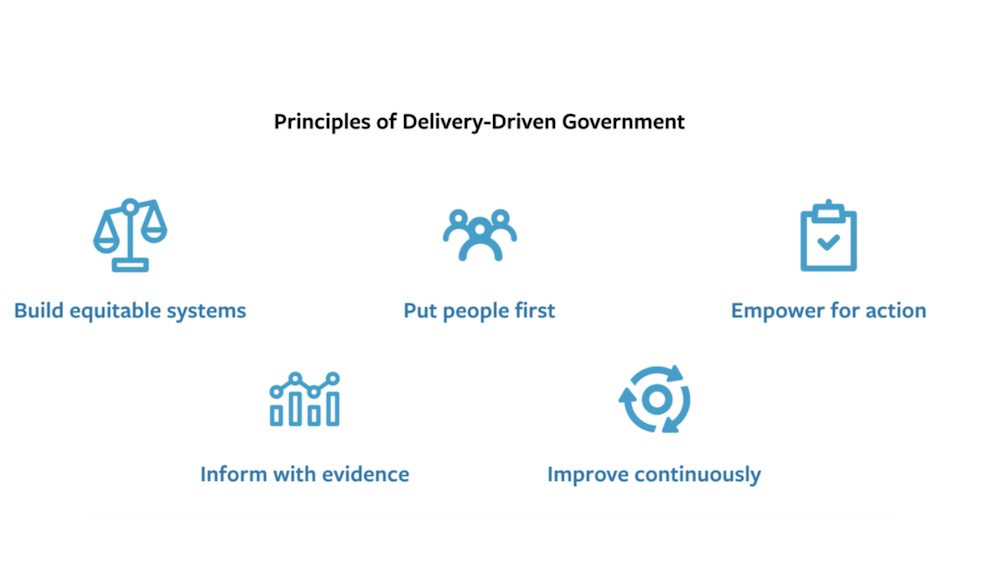
To scale AI effectively, governments must adopt a “human-in-the-loop” approach. This means:
- Algorithmic Accountability: Establishing clear legal frameworks that mandate how AI models are audited.
- Transparency by Design: Ensuring that every automated decision is traceable, and explainable.
- Citizen-Centric Innovation: Prioritizing the protection of fundamental rights over pure efficiency gains.
Pro Tip: Look to the Nesta model in the UK. By creating communities of practise, they’ve successfully translated complex innovation into practical policy tools that other local governments can replicate.
Overcoming the “Risk Aversion” Trap
Why do so many public projects fail to innovate? Often, it’s not a lack of vision, but a fear of legal uncertainty. Public officials are trained to be cautious, yet innovation requires experimentation.

The state of São Paulo has tackled this head-on by developing a Toolkit for the Legal Framework for Science, Technology and Innovation. By providing model documents, contract templates, and procurement guidance, they’ve successfully lowered the barrier to entry for new technologies. This is a blueprint for other global cities: don’t just ask for innovation—provide the legal infrastructure to support it.
Did you know? Studies by the OECD show that public sector innovation is often stifled more by internal organizational culture than by a lack of available technology. Creating safe spaces for “failure” is essential for long-term progress.
The Future of Urban Management
Imagine a city where traffic lights adjust in real-time to prevent congestion before it starts, or where maintenance crews are dispatched to fix infrastructure before a breakdown occurs. This is the promise of the agentic state.

However, this future requires a complete transformation of public service talent. We need a new generation of civil servants who are comfortable with data, legally savvy regarding AI ethics, and bold enough to challenge the status quo. As de Fassio notes, the goal is not to replace human judgment, but to augment it with the precision that only AI can provide.
Frequently Asked Questions (FAQ)
- What is an “agentic state”?
- An agentic state is a government model that uses AI to be proactive rather than reactive, anticipating citizen needs and identifying social risks before they become crises.
- How can governments ensure AI remains ethical?
- By prioritizing transparency in algorithms, implementing rigorous oversight mechanisms, and ensuring that human oversight remains central to all sensitive decision-making processes.
- How do we reduce legal uncertainty in AI procurement?
- Governments should develop standardized toolkits, model contract templates, and training materials that help public officials navigate the legal complexities of innovation partnerships.
What do you think is the biggest barrier to AI adoption in your city? Join the conversation in the comments below or subscribe to our newsletter for more insights on the future of digital governance.