
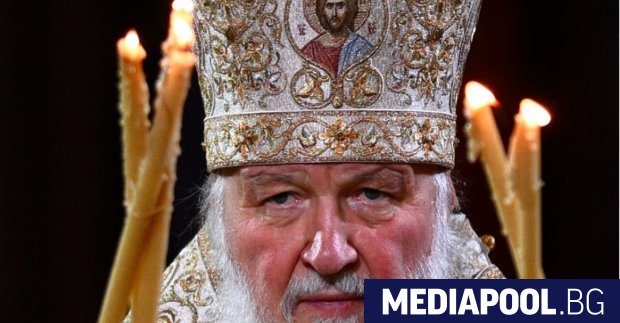
Bulgaria Blocks EU Sanctions Against Patriarch Kirill and Lukoil Subsidiaries
Bulgaria has emerged as a primary obstacle to the European Union’s latest sanctions package against Russia, specifically opposing the inclusion of Patriarch Kirill. According to reports from Politico and confirmation from Bulgarian Foreign Minister Velislava Petrova, Sofia is adopting a stance previously held by Hungary, effectively stalling efforts to penalize the Russian Orthodox Church leader for his support of the war in Ukraine.
Why is Bulgaria blocking sanctions against Patriarch Kirill?
Bulgarian officials argue that sanctioning a religious leader is counterproductive and symbolic rather than economically impactful. Foreign Minister Velislava Petrova stated that such measures would likely fuel anti-European propaganda, allowing Moscow to claim EU interference in ecclesiastical affairs. According to the Bulgarian government, the nation’s policy focuses on supporting sanctions that deliver tangible economic pressure without causing disproportionate harm to EU member states. Beyond the religious aspect, Bulgaria has also expressed reservations regarding proposed energy sector sanctions that could negatively affect subsidiaries of the Russian oil giant Lukoil.
Patriarch Kirill, born Vladimir Gundyayev, was identified in various historical reports as having ties to the Soviet-era KGB. This connection forms the basis of the argument from some political figures, such as Asen Vassilev, who contend that sanctions are directed at a state operative rather than a spiritual leader.
How does this shift reflect internal political tensions?
Sofia’s current position marks a departure from the unified front many EU members expected, placing Bulgaria in a role similar to that occupied by Viktor Orbán’s Hungary in 2022. While the European Commission, as reported by the Bulgarian Telegraph Agency (BTA), expects the sanctions package to be approved quickly to maintain pressure on Russia, Bulgaria’s resistance highlights a broader trend of hesitation within the cabinet of President Rumen Radev. Previously, the government paused direct military aid to Ukraine and declined to support the creation of a special international tribunal for Vladimir Putin, despite the country’s ongoing role as a producer of arms that reach Ukraine through third-party intermediaries.
What are the consequences of symbolic sanctions?
There is a stark divide in how European leaders view these measures. Former Bulgarian government figures, including Asen Vassilev, argue that failing to back the sanctions undermines the narrative that Russia is an aggressor and Ukraine is a victim. Vassilev noted that previous sanctions packages have not harmed the Bulgarian economy and suggested that the “symbolic” nature of the measures is necessary to uphold international law. Conversely, the official government position maintains that if a sanction does not provide direct economic leverage, it risks providing the Kremlin with diplomatic ammunition to portray the EU as an aggressor against religious freedom.
Comparison: EU Sanction Objectives vs. Bulgarian Diplomatic Strategy
| Objective | EU/G7 Stance | Bulgarian Position |
|---|---|---|
| Patriarch Kirill | Sanction for war support | Opposed; citing religious freedom |
| Energy Sanctions | Broad economic pressure | Reservations on Lukoil impact |
Frequently Asked Questions
Why does Bulgaria oppose sanctioning the Russian Patriarch?
The government argues that such sanctions are purely symbolic, lack economic efficacy, and risk triggering anti-European sentiment by appearing to interfere in religious matters.
Is Bulgaria blocking all EU sanctions against Russia?
No. Bulgaria has previously supported multiple sanction packages. Its current opposition is targeted, specifically focusing on the inclusion of Patriarch Kirill and certain energy sector measures that could impact domestic economic interests.
What is the European Commission’s response?
The Commission maintains that it is working constructively with all member states to ensure the new sanctions package is approved as soon as possible, emphasizing the need to increase pressure on Moscow.
Have thoughts on Bulgaria’s role in EU foreign policy? Share your perspective in the comments section below or subscribe to our newsletter for weekly updates on regional security and European politics.