

Bulgaria’s Energy Transformation: Solar, Batteries, and the Future of Power Stability
Bulgaria is undergoing a rapid energy transformation driven by a massive influx of solar power and battery storage systems, aiming to stabilize the grid as traditional coal-fired plants phase out. According to data from the Electricity System Operator (ESO), the country has integrated 7,000 megawatts of renewable energy and 4,000 megawatts of battery storage within a six-month period, positioning the nation as a global leader in storage implementation.
How are batteries changing the energy market?
Batteries are currently acting as a primary balancing mechanism for the grid by absorbing excess solar power during peak daylight hours and discharging it during the evening. According to Energy Minister Iva Petrova, these storage systems are becoming a sustainable factor for grid security. Recent market data shows that Bulgarian investors are purchasing low-cost solar electricity during the day and exporting it to neighboring markets like Greece and Romania during evening hours when prices spike. Expert Nikola Gazdov notes that this practice is already exerting downward pressure on domestic electricity prices, which previously surged in the evenings due to reliance on regional gas-fired power plants.
In some instances, weekend electricity prices in Bulgaria have dropped to zero or even turned negative, forcing producers to pay to offload their supply to the grid.
Why are data centers becoming a critical grid factor?
Large-scale energy consumers, specifically data centers, are poised to reshape the national load profile. Requests submitted to the ESO for new grid connections total 9,000 megawatts—an amount equivalent to three Kozloduy Nuclear Power Plants plus an additional 1,000-megawatt unit. Dimitar Zarchev, head of the Central Dispatching Office, emphasizes that these facilities require high-stability, 24/7 power without voltage fluctuations. Integrating such massive demand will necessitate a robust mix of base-load nuclear power, flexible hydro-storage, and continued reliance on thermal power plants for emergency reserves.
What is the future of pumped-hydro storage?
Pumped-storage hydroelectric plants (PSHPs) remain a cornerstone of Bulgaria’s grid stability strategy. The Chaira PSHP is currently undergoing a multi-year restoration, with two units already back online. According to project data, the plant’s total design capacity of 864 megawatts allows it to function like a large-scale battery; it pumps water to the Belmeken reservoir when solar production is high and releases it to generate power when demand exceeds supply. For the first time in three decades, operators recently tested a unit’s ability to “black start” the grid, demonstrating its capability to restore power to the Kozloduy plant in the event of a total system collapse.
Comparison: Traditional vs. Modern Balancing
| Feature | Traditional Assets | New Energy Assets |
|---|---|---|
| Flexibility | Thermal/Nuclear (Slow) | Batteries (Instant) |
| Primary Role | Base-load power | System balancing |
How will households manage rising energy costs?
The shift toward electric heating, primarily the replacement of wood and coal stoves with air conditioning, has increased household electricity consumption during peak winter months. The Energy and Water Regulatory Commission (KEWR) reports that this surge is the primary driver of high winter electricity bills. To mitigate this, Chairman Plamen Mladenovski suggests that utility companies provide 13 months of usage history on bills to help consumers track their consumption patterns. Future regulatory plans include the rollout of “smart” meters, with an analysis of implementation costs expected to be completed by late August.
Frequently Asked Questions
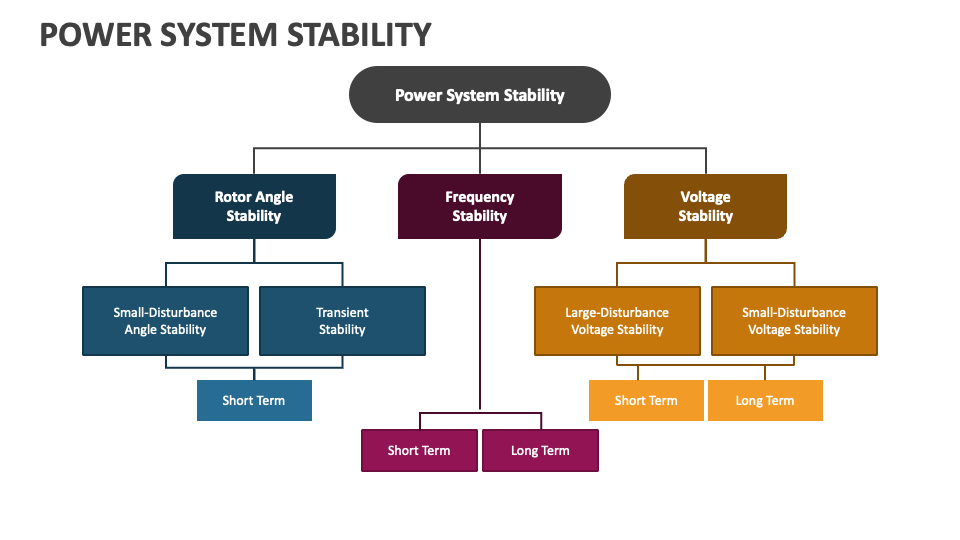
- Why does Bulgaria still need coal power plants? According to the Central Dispatching Office, coal plants provide the essential rotational inertia required to keep the grid frequency stable, acting as a critical safety buffer.
- What is the role of the Kozloduy Nuclear Power Plant? It remains the backbone of the system, providing over one-third of the country’s electricity and serving as the primary base-load source.
- How do batteries impact regional power prices? By storing cheap daytime solar energy and releasing it at night, batteries reduce the region’s reliance on expensive, gas-fired generation, which lowers price volatility.
Are you interested in how the energy transition affects your local region? Subscribe to our newsletter for weekly updates on grid infrastructure and energy policy.