
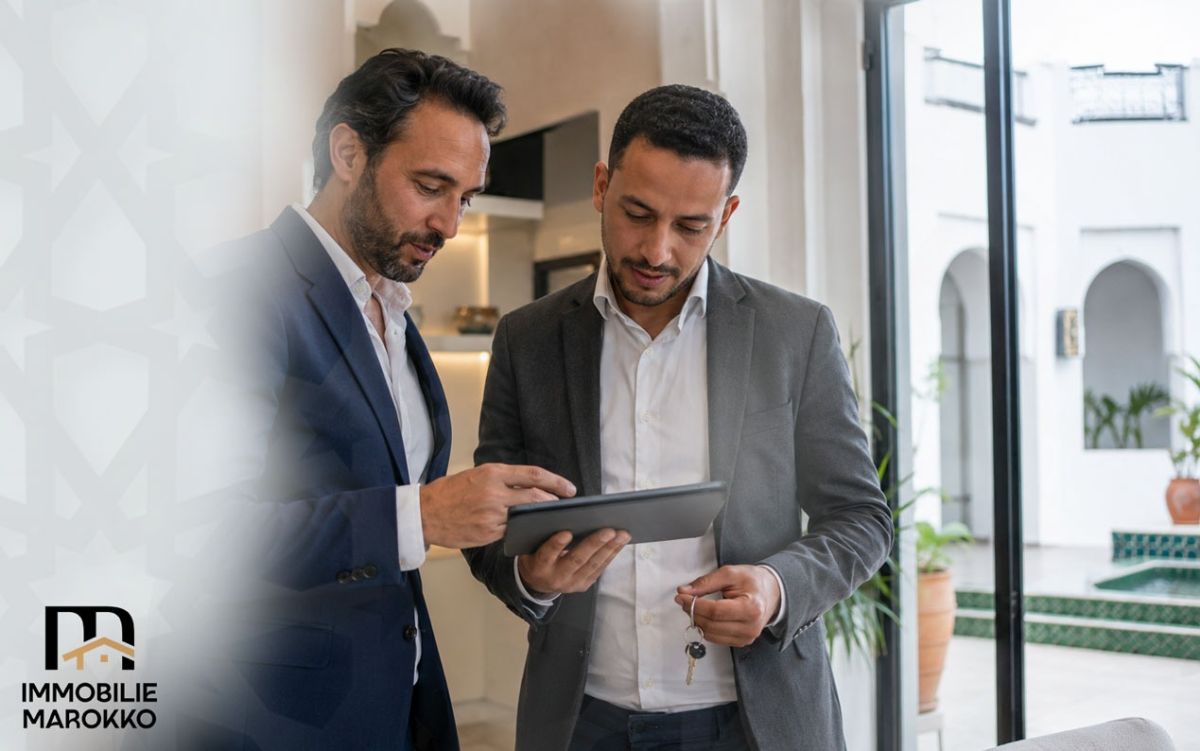
Buying Property in Morocco: Professional Guidance and Due Diligence for Investors
German-speaking investors, retirees, and homebuyers are increasingly targeting the Moroccan real estate market, prompting a rise in demand for localized, independent advisory services. According to Jan Spyrou of the consultancy firm Immobilie-Marokko.de, many international buyers face significant risks due to cultural, linguistic, and procedural differences, necessitating professional due diligence before committing to property acquisitions in cities like Marrakech, Casablanca, and Tangier.
Did You Know? Property profiles in Morocco vary significantly by region: while Casablanca serves as a hub for urban business investments, Marrakech is primarily sought after for Riads and high-end lifestyle concepts, and Agadir is frequently favored for retirement and primary residences.
Addressing the Challenges of Moroccan Property Acquisition
Buying property in Morocco often involves processes and communication standards that differ from those in Germany, Austria, and Switzerland. Potential buyers frequently encounter hurdles such as incomplete documentation, language barriers, and a lack of local presence, which can lead to oversight regarding legal ownership or property condition. Immobilie-Marokko.de reports that investors often prioritize visual appeal—such as sea views or pricing—over the necessary verification of structural integrity and legal title.

The Role of Independent Due Diligence
Professional oversight focuses on bridging the gap between initial interest and a binding purchase agreement. This process includes verifying property ownership, assessing the realism of the asking price, and identifying potential regulatory or building-related risks. While these services do not replace the legal functions of a notary or attorney, they provide a structured framework for buyers to evaluate whether an object suits their intended use, whether for a second home, a retirement base, or a long-term capital investment.
Expert Insight: The primary risk for foreign buyers in emerging real estate markets is the “information asymmetry” between the seller and the buyer. By establishing a local, German-speaking liaison, investors can mitigate the common pitfall of emotional decision-making, ensuring that the property’s physical state and legal status align with their long-term financial and personal goals.
Managing Property After the Sale
The need for local coordination often extends beyond the transaction phase, particularly for owners who do not reside in Morocco year-round. Services such as property management, key handling, maintenance coordination, and the oversight of short-term rental models—such as Airbnb—are essential for maintaining asset value. Owners must verify specific local requirements and permits before attempting to utilize a property for tourist accommodation, a process that requires ongoing professional attention.
What May Happen Next
As international interest in Moroccan real estate continues to grow, it is likely that the demand for specialized, third-party management services will increase. Prospective buyers may see more rigorous pre-purchase screening processes becoming standard practice to avoid the complications of foreign ownership. If the market continues to attract diverse investment profiles, regional variations in property usage—such as the distinct requirements for Riads versus urban apartments—will likely require even more granular local expertise to ensure regulatory compliance and operational success.
Frequently Asked Questions
What types of properties are currently available to foreign buyers in Morocco?
Buyers can find a range of options including apartments, houses, villas, Riads, and individual apartments across major cities such as Tangier, Marrakech, Casablanca, Rabat, Agadir, and Essaouira.
Does a local advisor replace the need for a notary or lawyer?
No, local advisory services are intended to provide structured, independent coordination and due diligence; they do not act as a substitute for mandatory legal entities like notaries, lawyers, or government authorities.
Why is local, independent oversight important for property management?
For owners who do not live in Morocco, a local contact is necessary to manage house administration, perform check-up visits, coordinate repairs, and ensure that short-term rental operations comply with local regulations and guest management requirements.
Are you considering the long-term management requirements alongside the initial purchase of a property abroad?