
California Fault Lines Reach Critical Stress Levels, Study Warns
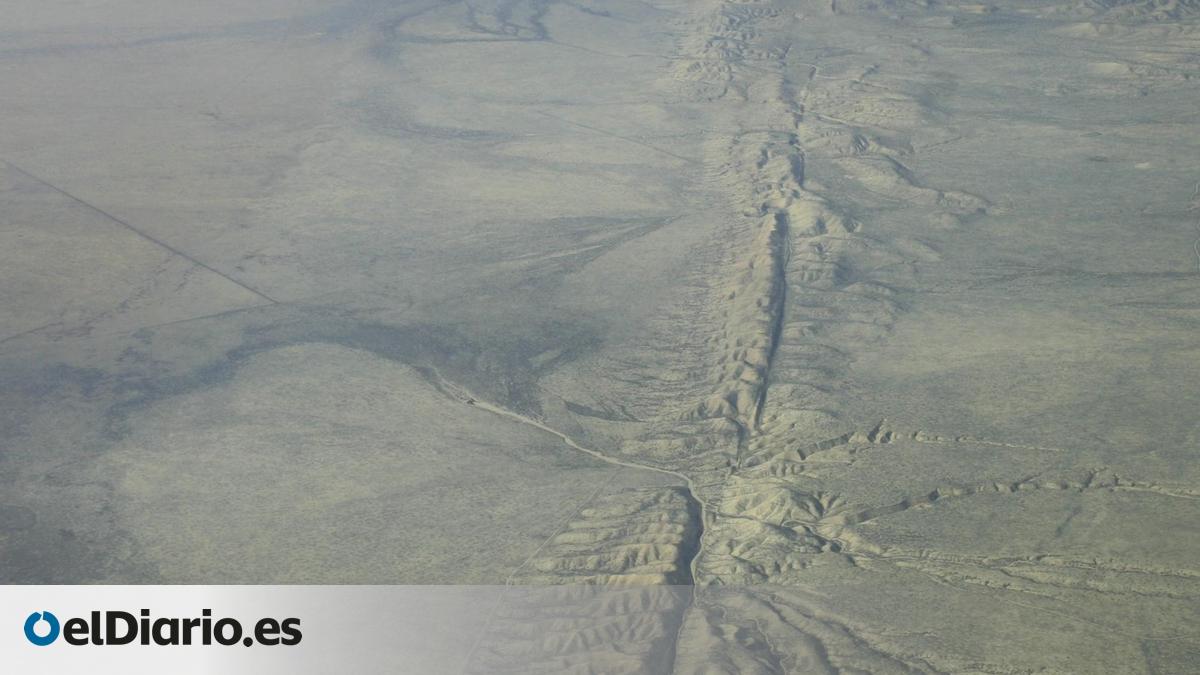
The San Andreas and San Jacinto fault systems in Southern California are currently under extreme tectonic stress, with some segments reaching levels of pressure not seen in the last 1,000 years. According to a study published in the Journal of Geophysical Research: Solid Earth, this accumulation of seismic energy suggests the region is in a state of critical loading, raising the possibility of complex, multi-fault ruptures that could impact major infrastructure near Los Angeles.
Why are California’s fault lines under such high pressure?
Tectonic stress builds up over decades as large blocks of the Earth’s crust move slowly against each other. Geophysicist Liliane Burkhard, lead author of the study from the University of Bern, states that this stress eventually exceeds the threshold rocks can withstand, triggering a sudden release of energy known as an earthquake. Her research indicates that several segments of the San Andreas and San Jacinto faults now hold tension values that equal or exceed historical peaks recorded over the last millennium.

Not all earthquakes are equal. Even if two quakes have the same magnitude, their impact varies significantly based on depth, proximity to urban centers, and the structural integrity of local buildings.
What role does the Cajon Pass play in seismic activity?
The Cajon Pass, located northeast of Los Angeles, acts as a critical “seismic gate” where the San Andreas and San Jacinto faults converge. Nicolas Barth, a professor at the University of California, Riverside, compares the pass to a traffic controller on a single-lane road. Depending on the conditions, this junction can either halt a rupture or allow it to jump from one fault to another, potentially fueling a much larger and more complex seismic event.
Can scientists predict when the next major earthquake will occur?
Current scientific models cannot predict the exact timing of an earthquake. While the study provides a detailed physical map of how tension is currently distributed, Burkhard emphasizes that the research is not a forecast. Instead, the model acts as a diagnostic tool, showing how previous quakes have redistributed stress and identifying which segments are most primed for movement. The study highlights that the San Jacinto-Bernardino segment currently supports roughly 3.6 megapascals of stress, while the Mojave South segment holds about 2.8 megapascals.
Comparative stress levels in major segments
| Fault Segment | Estimated Stress (Megapascals) |
|---|---|
| San Jacinto-Bernardino | 3.6 MPa |
| Mojave South | 2.8 MPa |
How does this research improve emergency preparedness?
By identifying regions where multiple fault segments are approaching high-stress thresholds simultaneously, officials can better prioritize infrastructure reinforcement. These physics-based models help engineers design more resilient power grids, transportation corridors, and communication lines. Burkhard notes that this methodology is not exclusive to California; it can be applied to any global region where interacting fault lines accumulate energy over long periods, offering a clearer picture of potential disaster scenarios.
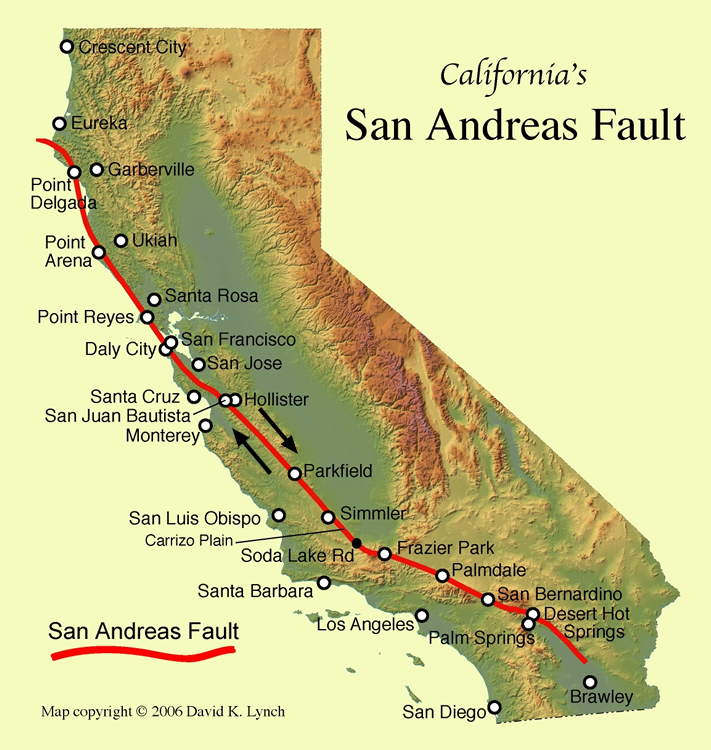
Residents in high-risk seismic zones should regularly update their emergency kits and familiarize themselves with local evacuation plans. Visit Ready.gov for official guidelines on how to prepare your home and family for seismic activity.
Frequently Asked Questions
- Does high stress definitely mean a big earthquake is coming soon? No. High stress indicates the potential for a rupture, but it does not provide a timeline.
- Why is the Cajon Pass considered dangerous? It serves as a connector between two major fault systems, which could allow a single earthquake to trigger a larger, multi-fault rupture.
- Can this model be used outside of California? Yes, the researchers confirm that this physics-based approach is applicable to any region with complex, interacting fault systems.
Have you checked your local emergency preparedness plan lately? Share your thoughts or questions about seismic safety in the comments below, or subscribe to our newsletter for more updates on geological research and public safety.