
DRC: Equateur Province Launches Polio Vaccination Campaign for Over 640,000 Children
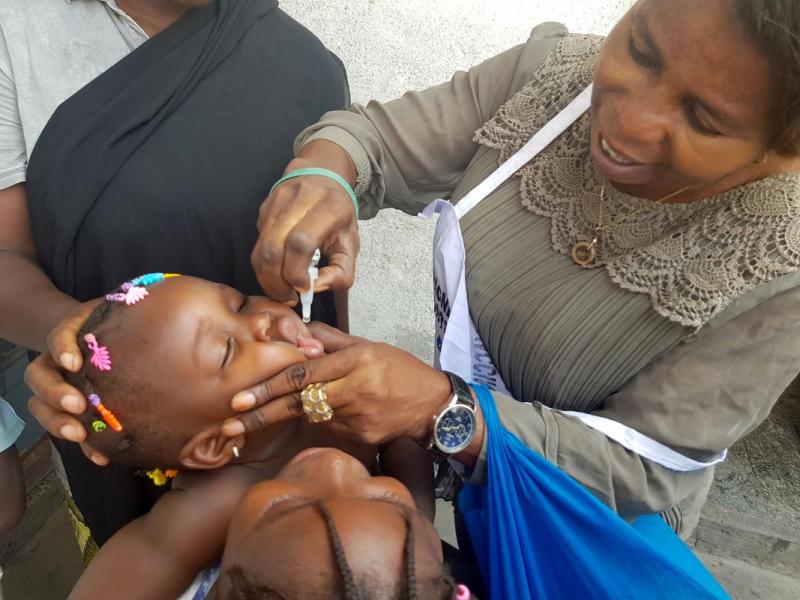
A mass polio vaccination campaign targeting 640,825 children aged 0 to 59 months began on June 18, 2026, in the Équateur province of the Democratic Republic of the Congo. The three-day initiative, managed by the provincial health division, aims to reach children across 18 health zones through a door-to-door immunization strategy. Officials launched the effort on June 17 in Mbandaka 3, within the Wangata health zone, as part of a national response to prevent the spread of the poliovirus.
Did You Know? The vaccination strategy relies on a door-to-door approach, where health workers administer four drops of the polio vaccine to every child under five years old to ensure maximum coverage across the province.
Why the campaign is critical
The urgency of the campaign stems from recent polio activity elsewhere in the country. According to Lado Addoulaye, representing the World Health Organization (WHO) in Mbandaka, the Democratic Republic of the Congo has reported 10 cases of polio since the start of 2026. Of these confirmed cases, nine occurred in the Maniema province and one in the Haut-Lomami province.
Provincial authorities are working to mobilize community support to avoid a similar outbreak in Équateur. Vice-governor Thomas Boyenge Ifaso has called upon local administrators, religious leaders, and traditional authorities to actively participate in the effort. The goal is to ensure that all eligible children are present and available when vaccination teams arrive at their homes.
Expert Insight: Samantha Carter notes that the move to vaccinate over 640,000 children reflects a proactive, defensive strategy. By targeting areas before a case is identified, health officials aim to build a high level of population immunity, which is the primary barrier against the transmission of the poliovirus in regions where the virus is currently circulating elsewhere.
Coordination and future steps
The campaign is organized by the Ministry of Public Health and Social Welfare through the Expanded Program on Immunization (PEV). Technical and financial support is provided by a coalition of international partners, including the WHO, UNICEF, Gavi, and Rotary International.
Looking ahead, the success of this initiative may depend on the continued cooperation of parents and community leaders in making children available for the door-to-door teams. If the campaign achieves high coverage, it is likely to reduce the risk of the virus taking hold in the Équateur province. Future health outcomes will depend on whether this immunization level remains sufficient to block potential transmission from other affected provinces.
Frequently Asked Questions
How many children are being targeted in this campaign?
The campaign is targeting 640,825 children aged 0 to 59 months.

What is the duration of the vaccination drive?
The campaign is scheduled to last for three days, from June 18 to June 20, 2026.
Who is supporting the Ministry of Health in this effort?
The campaign is supported by the World Health Organization (WHO), UNICEF, Gavi, and Rotary International.
How do local community leaders plan to ensure high participation rates among families in their areas?