
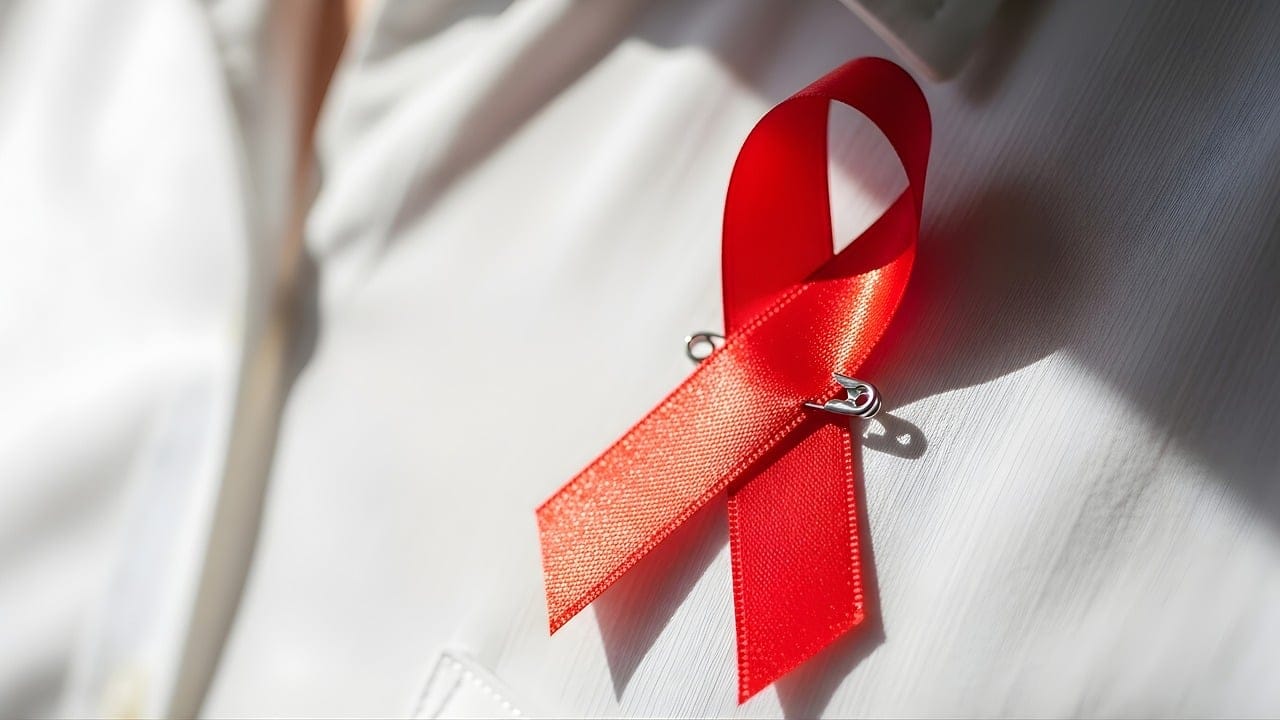
Cambodia becomes first country in Asia and the Pacific to achieve global 95-95-95 HIV targets
Cambodia has met the global 95–95–95 HIV targets, becoming the first country in Asia and the Pacific to achieve the milestone, according to the Royal Government of Cambodia and the Joint United Nations Programme on HIV/AIDS. The targets require 95% of people living with HIV to know their status, 95% of those diagnosed to receive antiretroviral treatment, and 95% of patients on treatment to achieve viral suppression. The announcement coincides with the 30th anniversary of the Joint United Nations Programme’s support to Cambodia’s HIV response, a partnership spanning three decades with the government, communities, and civil society.
Why This Matters
Cambodia’s achievement underscores its long-term commitment to HIV control, having previously met the 90-90-90 targets in 2017, three years ahead of schedule. The 95–95–95 goals represent a critical step toward eliminating AIDS as a public health threat by 2030. The Joint United Nations Programme highlighted the country’s sustained collaboration with local stakeholders as a key factor in its success. This progress also reflects broader global efforts to combat HIV, though only seven countries had met the earlier 90-90-90 benchmarks as of 2017.
What May Happen Next
Health officials in Cambodia may focus on maintaining current rates of HIV testing, treatment access, and viral suppression to ensure the 95–95–95 targets remain stable. Analysts suggest the country could share its strategies with neighboring nations as a model for HIV response. However, challenges such as funding sustainability and evolving public health priorities could influence future outcomes. The Joint United Nations Programme may emphasize replicating Cambodia’s approach in other regions, though success would depend on local contexts and resources.
Frequently Asked Questions
What do the 95–95–95 HIV targets mean? The targets require 95% of people living with HIV to know their status, 95% of those diagnosed to receive antiretroviral treatment, and 95% of patients on treatment to achieve viral suppression.
Why is Cambodia’s achievement significant? It marks the first time a country in Asia and the Pacific has met the 95–95–95 targets, advancing global efforts to end AIDS as a public health threat by 2030.
How long has the Joint United Nations Programme supported Cambodia’s HIV response? The program has worked with Cambodia for 30 years, since 1996.
How might other nations adapt Cambodia’s HIV strategy to their own contexts?