
Can China and the US Coexist? Lessons from the Modern History of Asia
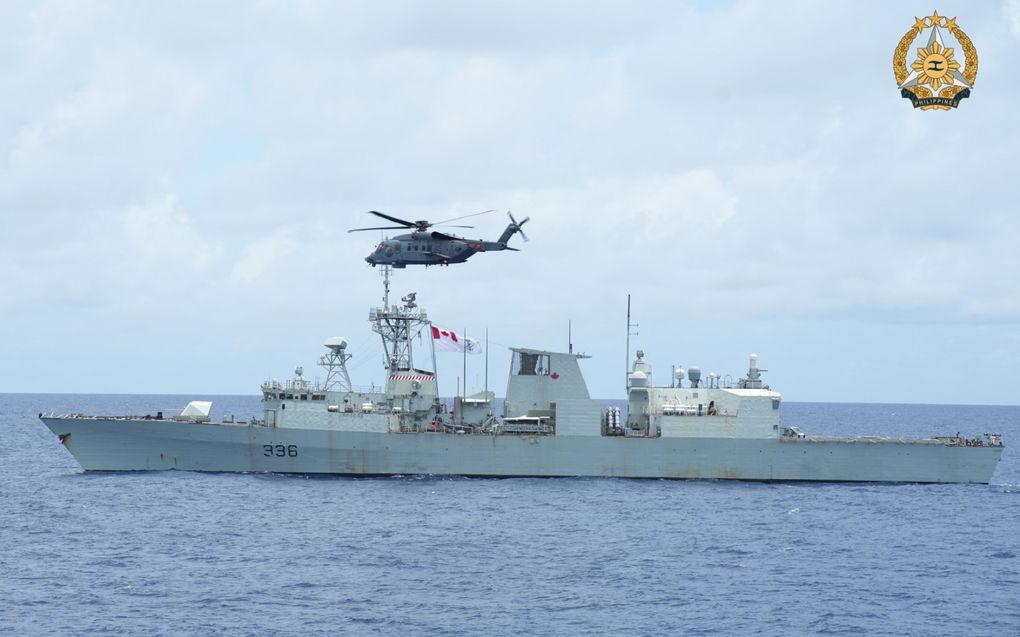
The Pacific region faces a high risk of instability as the United States and a rising China compete for geopolitical dominance, according to Hans van de Ven, a professor of modern Chinese history at the University of Cambridge. In his book Bloedrode dageraad (Blood-Red Dawn), Van de Ven argues that historical precedents for a peaceful transition between an established power and an emerging rival in the same region remain scarce. The shifting balance of power in Asia, driven by the economic ascent of China, India, and Indonesia, mirrors the transformative period following the Second World War.
Can the U.S. and China Coexist in the Pacific?
Peaceful coexistence between the United States and China remains one of the most critical challenges of the modern era, according to Van de Ven. The tension stems from conflicting strategic goals: China seeks a secure coastal perimeter, while the United States aims to maintain its influence across Japan, Taiwan, and the Philippines. Van de Ven notes that avoiding conflict will require significant diplomatic restraint and a pragmatic approach from both nations, noting that modern political leaders often behave in unpredictable ways.
Historically, Asia’s transformation from a region dominated by European powers to a collection of independent nation-states was formalized at the 1955 Asian-African Conference in Bandung.
Will There Be a Military Conflict Over Taiwan?
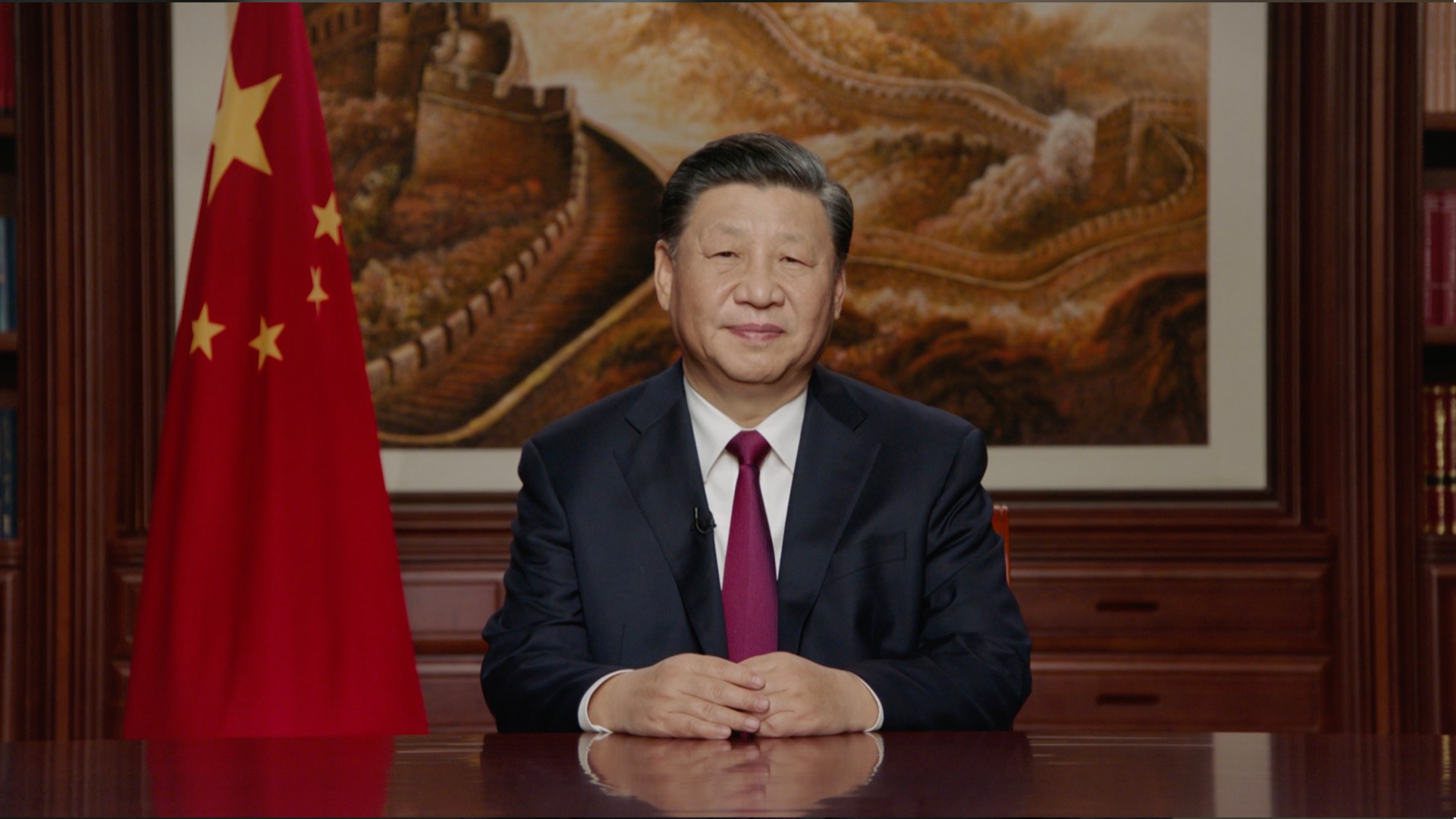
While geopolitical tensions are high, Van de Ven does not expect an immediate armed conflict over Taiwan. He suggests that while Chinese President Xi Jinping might view the capture of Taiwan as a path to historical greatness, the risks are substantial. Drawing a parallel to the war in Ukraine, Van de Ven points out that smaller nations can be surprisingly resilient. Furthermore, internal Chinese documentation and military assessments suggest the People’s Liberation Army may not be fully prepared for such an operation until approximately 2035.
The Role of Unpredictable Events
History is often dictated by pivotal moments of individual decision-making rather than long-term trends alone, according to Van de Ven. He cites the 1945 Japanese surrender as a case study: the decision was not a foregone conclusion but was finalized by Emperor Hirohito acting on specific advice. Had that decision gone the other way, the war might have dragged on for two additional years.
How Has Life in China Changed Since the 1980s?
Living conditions in China have improved dramatically over the last four decades, shifting from a state of widespread poverty to relative prosperity. Van de Ven, who spends four months annually at Peking University, recalls that during his first visits in the 1980s, the society was volatile and dangerous, with high risks of kidnapping and scarcity. Today, he observes that for the first time in history, China has achieved food security for its population, and many individuals now enjoy a standard of living that includes home ownership and international travel.
When analyzing geopolitical shifts, look beyond the headlines. Scholars like Van de Ven emphasize that economic growth often precedes shifts in legal systems and personal freedoms, as seen in the development of 19th-century Britain.
Frequently Asked Questions
Is China’s political system becoming more restrictive?
According to Van de Ven, the influence of the Communist Party on universities has intensified over the last decade, with the party now requiring approval for academic appointments and promotions. While the environment is more controlled, he notes that daily life for average citizens remains largely focused on personal comfort rather than politics.
What does the book title “Blood-Red Dawn” refer to?
The title refers to the violent history of Asia, which saw significant loss of life during and after the Second World War. Van de Ven argues that more people died in Asia after 1945 than during the war itself, yet this violence ultimately paved the way for a new, independent era of nation-states.
Are there lessons for the current climate of pessimism?
Van de Ven suggests that “dystopian thinking”—the belief that the future is hopeless—is a recurring historical theme. He argues that in the 19th century, such feelings in Asia acted as a catalyst for radical innovation and political change rather than just a signal of decline.
Do you believe that economic interdependence between the U.S. and China is enough to prevent a military conflict? Share your thoughts in the comments below or subscribe to our weekly newsletter for more expert analysis on global history and geopolitics.