
Canadian Soccer Players Call for Greater Accountability for Racist Abuse Online
Why Are Canadian Soccer Players Calling for Action Against Online Abuse?
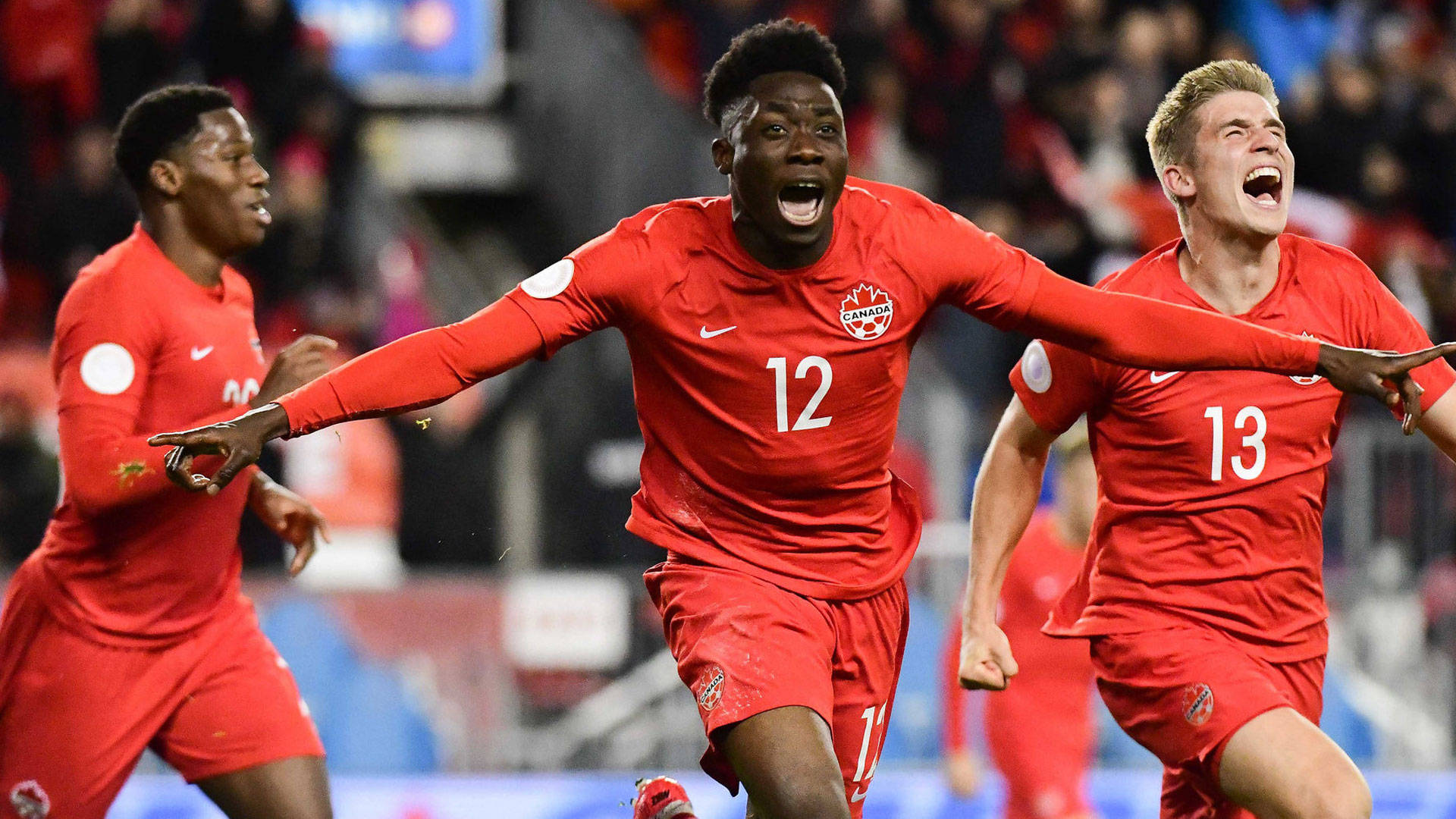
Canadian men’s national soccer team players are demanding social media companies and the federal government take stronger steps to combat racist abuse, death threats, and hate speech directed at athletes. With Canada co-hosting the 2026 FIFA World Cup, players say online harassment has become a routine part of representing the country, often emerging within minutes of a game’s end. Moïse Bombito, a Canada defender, received 1,000 to 2,000 racist comments after a 2024 Copa America match against Argentina, including messages featuring the N-word and monkey emojis. “It confirmed that racism is still out there,” Bombito told TSN.
What Are the Challenges With Social Media Platforms?
Players report that platforms like Meta (which owns Instagram and Facebook) fail to address racist content effectively. Bombito’s agent, Nadia Ali, contacted Meta after the Argentina match, but the company stated the messages did not violate its policies. In January 2025, Meta relaxed restrictions on content, emphasizing that it does not regulate offensive speech unless it incites violence. A Meta spokesperson said, “We’ve developed tools like Hidden Words to filter offensive comments.” However, players argue that these measures are insufficient, with many users hiding behind anonymous accounts to avoid consequences.
How Is the Canadian Government Responding?
The federal government introduced Bill C-34, an Online Harms Bill, which would require social media companies to address harmful content within 24 hours and disclose reports of abuse. If passed, the legislation would mandate companies to mitigate harmful interactions and provide transparency. Hermine Landry, a press secretary for Canadian Minister Marc Miller, stated, “No one, including athletes, should feel unsafe because of who they are.” However, Canadian police face challenges in tracking offenders, as they must obtain a judicial warrant to access IP addresses, unlike their UK counterparts.
What Can Be Learned From the UK’s Approach?
The UK’s Football Policing Unit has addressed online abuse of athletes by leveraging partnerships with social media companies. Since 2022, the unit has handled nearly 1,200 cases, over 80% involving racism. Officers can request IP addresses and have secured prosecutions, stadium bans, and fines. Sam Baker, a UK official, said, “People have lost their jobs because of this.” In contrast, Canadian players say authorities lack the tools to hold abusers accountable, with many threats going unpunished.
What Are the Broader Implications for Athletes?
Racist abuse has profound effects on athletes’ mental health and performance. Richie Laryea, a Toronto FC defender, described receiving racist messages after a 2024 Copa America match, with some targeting his son’s photos. His wife, Melanie, said, “It’s heartbreaking. You see it on pictures of my son, which are even worse.” Midfielder Liam Millar, who faced death threats after missing a penalty, emphasized that while criticism is expected, racist abuse should not be tolerated. “It’s unacceptable to treat anybody in this way,” he said.

How Are Players Advocating for Change?
Players like Stephen Eustaquio and Ismaël Koné argue that stronger accountability could deter abuse. Eustaquio noted that users often create new accounts after being banned, while Koné said public identification of offenders would reduce attacks. “If you’re going to be held accountable, then you’re not going to do it,” he said. Forward Promise David, who faces daily racist messages, echoed this sentiment, adding that public shaming could lower incidents.
What Future Trends Might Emerge?
The push for stricter online accountability is part of a global trend. As the 2026 World Cup approaches, Canada’s response to athlete abuse could influence similar efforts worldwide. Experts suggest that balancing free speech with safety will be critical. Coach Jesse Marsch, while advocating for respect, said, “I don’t want to be social police, but I do want to create pressure for people to behave respectfully.” The outcome of Bill C-34 and international collaborations may shape how sports organizations address online hate in the coming years.
FAQ
What is Bill C-34?
Bill C-34 is Canada’s Online Harms Bill, aiming to hold social media companies accountable for harmful content. If passed, it would require platforms to address user reports of abuse within 24 hours and disclose how they handle such cases.

How does the UK handle online abuse of athletes?
The UK’s Football Policing Unit works with social media companies to track offenders, leading to prosecutions, fines, and stadium bans. Since 2022, over 80% of cases involved racism, with offenders often identified through IP addresses.
Why is online abuse a growing concern for athletes?
Abuse often escalates after matches, with players facing racist comments, death threats, and targeted messages. Anonymity on platforms allows users to hide behind burner accounts, making it difficult to hold them accountable.
Did You Know?
Over 1,000 racist comments were reported after Moïse Bombito’s 2024 Copa America match against Argentina. Meta’s policy changes in 2025 have sparked criticism for allowing more offensive content.
Pro Tips
Players can report abuse through platform-specific tools, but systemic change requires government action. Advocates suggest public shaming of offenders and stronger legal frameworks to deter hate speech.
What are your thoughts on how sports organizations should address online abuse? Share your perspective below or explore more stories on athlete safety and digital rights.