

Trial drug could clear toxic Alzheimer’s proteins and restore memory
A copper-based drug called Cu(ATSM) reduced toxic amyloid-beta proteins by 42% and improved spatial memory by nearly 44% in laboratory studies, according to researchers at Monash University. The findings, published in ACS Chemical Neuroscience, suggest the compound repairs the brain’s waste-removal system to treat Alzheimer’s disease.
The study focused on the blood-brain barrier, a protective layer that regulates what enters and leaves the brain. In Alzheimer’s patients, this system becomes less efficient, allowing harmful proteins to accumulate.
According to the researchers, P-glycoprotein (P-gp) pumps play a central role in this process by moving waste products from the brain into the bloodstream. When these pumps lose function, the brain cannot effectively clear toxic material.
How does Cu(ATSM) affect the brain?
The treatment works by improving the function of blood vessels in the brain, which increases the number and activity of P-gp clearance pumps. Lead author Dr. Jae Pyun stated the drug increased the abundance of these pumps by 24.1% in an Alzheimer’s model.
This increase in pumps allowed the brain to clear trapped waste over a 56-day period. Dr. Pyun linked this repair of the blood-brain barrier directly to the reduction of toxic proteins and improved cognitive performance.
Why is this drug a potential candidate for human trials?
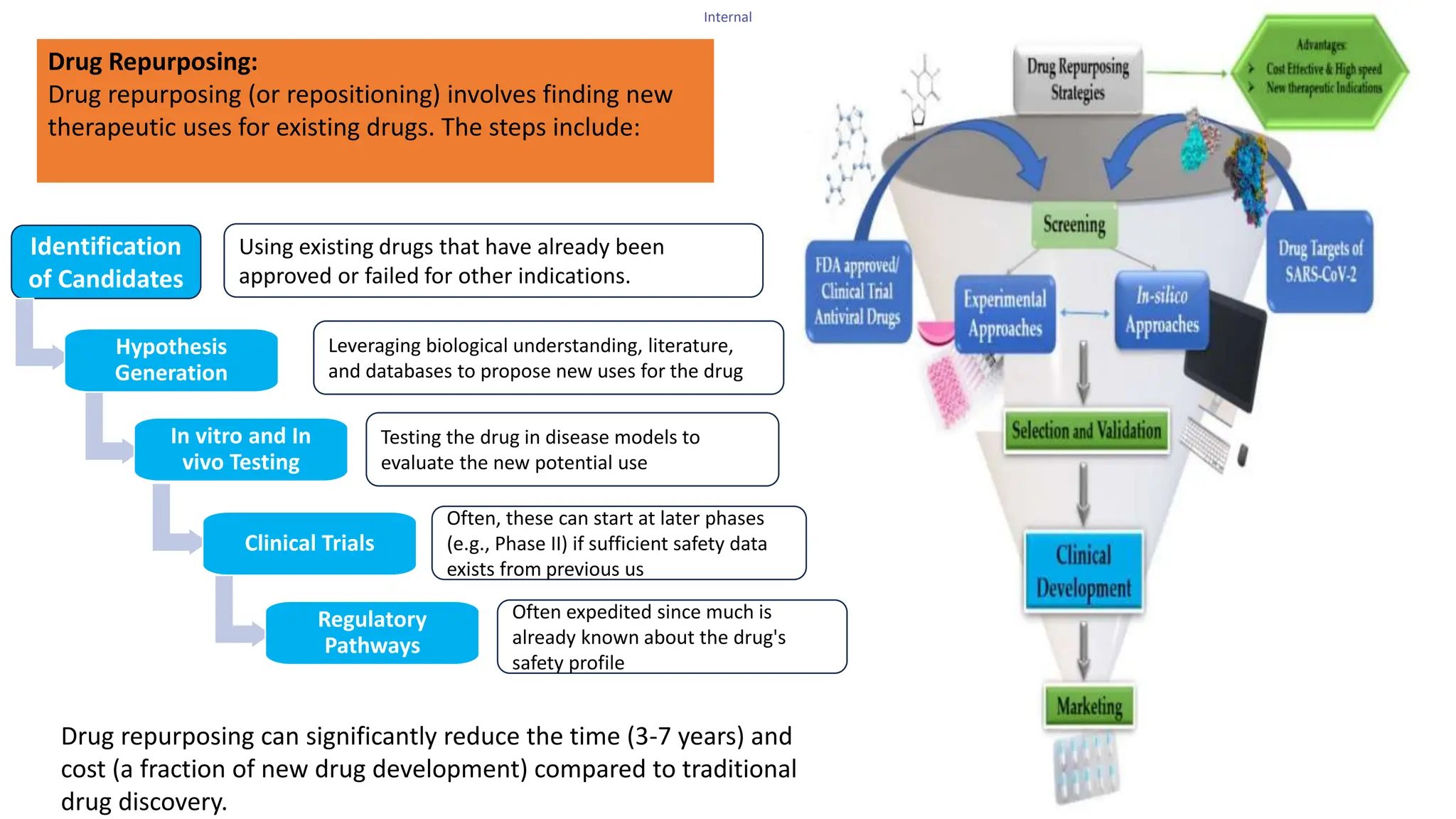
Senior author Professor Joseph Nicolazzo said Cu(ATSM) may move toward human trials faster than other experimental treatments because its safety has already been tested in other neurological conditions.
Nicolazzo noted that reducing the amyloid burden is a clinically proven method for improving functional outcomes. These preclinical results, he said, support the rationale for testing the drug in people with early symptomatic Alzheimer’s disease.
What are the remaining uncertainties?
Researchers are still investigating exactly how amyloid-beta leaves the brain once the barrier is restored. One theory suggests Cu(ATSM) may also increase the activity of microglia, which are immune cells that break down toxic proteins.
Dr. Dayan Goodenowe, a Ph.D. neuroscientist not connected to the study, told Newsweek that Alzheimer’s involves a complex environment including inflammation, lipid metabolism, and vascular function. He stated that any single mechanism must be validated to determine if it produces a meaningful clinical benefit.
Goodenowe emphasized that the critical next steps involve moving from preclinical work to human safety, dosing, and efficacy trials governed by the FDA.
What happens next for this research?
Future studies may explore the specific pathways of protein clearance in more detail. The results could lead to a new class of therapies that target both blood vessel function and waste-removal mechanisms.
Because dementia rates are rising, this research may provide a foundation for treatments that prioritize repairing the brain’s natural cleaning system rather than just targeting plaques.
Frequently Asked Questions
What is Cu(ATSM)?
It is a copper-based compound with anti-inflammatory and neuroprotective properties that has been tested in clinical trials for ALS and Parkinson’s.
How much did the drug reduce toxic proteins?
According to the Monash University study, the treatment reduced toxic amyloid-beta by 42% over 56 days.
Does this drug cure Alzheimer’s?
The study was conducted in laboratory models and showed improved spatial learning and reduced proteins; it has not yet been validated in human Alzheimer’s patients.
Do you think targeting the brain’s waste-clearance system is the most promising approach to treating dementia?