
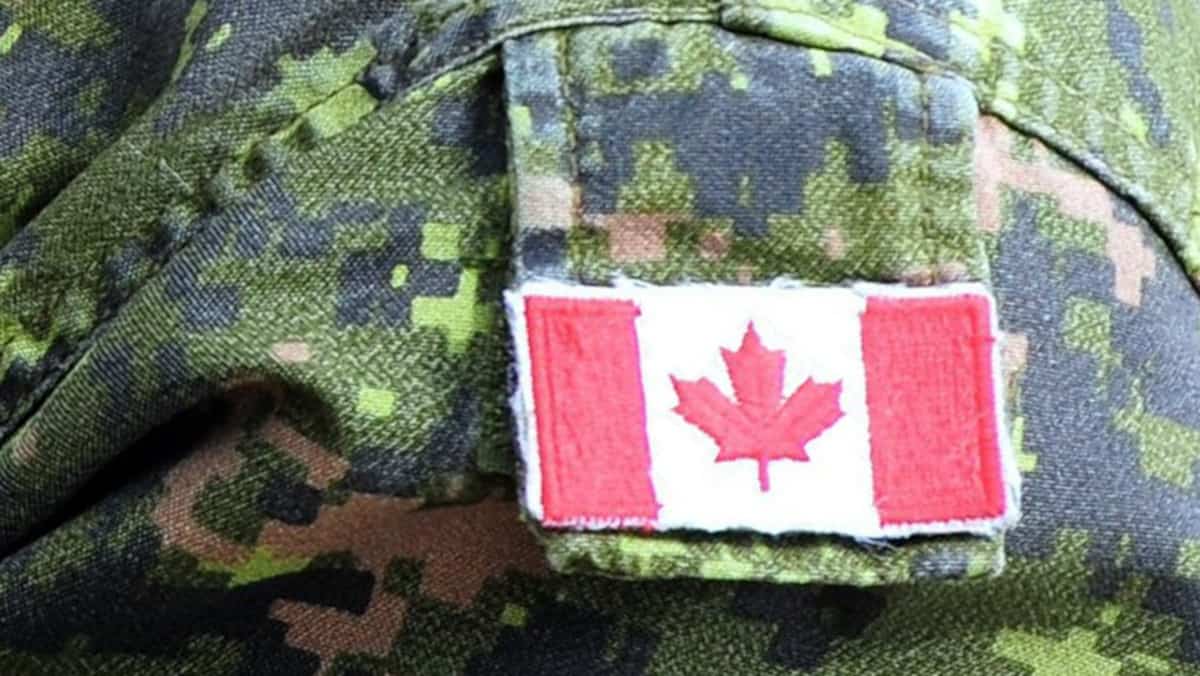
Canadian WWI Sergeant Identified After 110 Years
More than a century after he vanished on the battlefields of France, Sergeant Norman Harold McLennan has finally been identified. The Canadian Department of National Defence confirmed this week that a previously anonymous grave at the Courcelette British Cemetery holds the remains of the soldier, who was killed during the First World War.
A Career Soldier’s Final Chapter
Sergeant McLennan, a member of the Royal Canadian Regiment, was reported missing on October 8, 1916, during the Battle of the Ancre Heights, a component of the broader Battle of the Somme. Historical records indicate that after participating in the capture of the Regina Trench, Canadian troops were forced to retreat while fending off repeated enemy counter-attacks.

Initially listed as wounded and missing, he was eventually presumed dead in combat. His identity remained a mystery for over 110 years, with his grave marker simply identifying him as “a sergeant of the Royal Canadian Regiment of the Great War.”
Before his deployment to Europe in 1915, Sergeant McLennan served in the Bermudas to support British forces, marking a career that began with his enlistment in Quebec in April 1905.
The Process of Identification
The confirmation of his identity, finalized in December 2025 by the Casualty Identification Review Board, followed extensive historical and archival research. The Department of National Defence noted that the evidence pointed conclusively to Sergeant McLennan, allowing his family to finally receive closure regarding his ultimate resting place.
While details of his early life remain sparse, it is believed he was born in Montreal around 1886 or 1887 and raised in a family from Cape North, Nova Scotia. His name currently appears on the Canadian National Vimy Memorial, which commemorates Canadian soldiers who died in France with no known grave.
The identification of a fallen soldier after more than a century underscores the enduring commitment of military authorities to resolve the status of those who disappeared in the chaos of trench warfare. This process serves both as a historical correction and a symbolic restoration of identity for those who were once lost to the anonymity of a battlefield grave.
What Happens Next
With the identification now confirmed, the Commonwealth War Graves Commission is expected to organise a formal ceremony in France to dedicate the soldier’s headstone. Canadian Armed Forces officials have stated they are continuing to provide support to the McLennan family as they process this historical development. In the future, the grave marker will likely be updated to reflect his full identity, officially removing his name from the list of those without a known burial site.
Frequently Asked Questions
Who was Sergeant Norman Harold McLennan?
He was a career soldier in the Royal Canadian Regiment who enlisted in 1905 and was killed during the Battle of the Somme in October 1916.
How was the grave identified?
Extensive historical and archival research conducted by the Casualty Identification Review Board confirmed that the remains in a partially identified grave at the Courcelette British Cemetery belonged to the sergeant.
Will there be a ceremony for the soldier?
Yes, the Commonwealth War Graves Commission is planning a ceremony in France to formally dedicate the headstone.
How does the process of identifying soldiers decades later change our understanding of historical conflicts?