
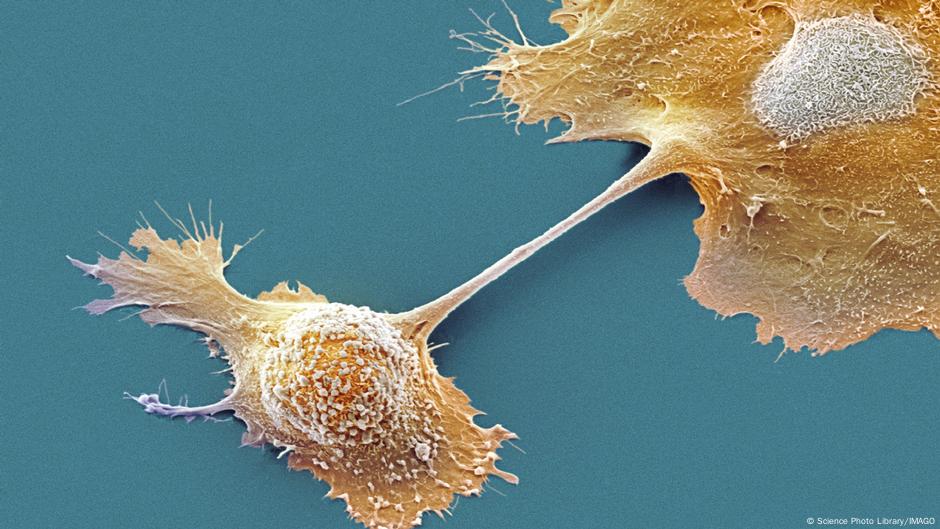
Cáncer de páncreas: Un nuevo medicamento amplía la supervivencia de pacientes
A breakthrough in pancreatic cancer treatment has been announced, with a new oral medication showing significant promise in extending survival for patients with advanced disease. The drug, daraxonrasib, demonstrated a near-doubling of median survival time in a clinical trial, marking a potential turning point in the treatment of one of the most lethal cancers.
The study, published in the New England Journal of Medicine and presented at the American Society of Clinical Oncology (ASCO) meeting in Chicago, involved 500 patients with metastatic pancreatic cancer who had stopped responding to prior treatments. Participants randomly received either daraxonrasib or standard chemotherapy. Those taking the new drug lived a median of 13.2 months, compared to 6.7 months for the chemotherapy group. The medication, developed by Revolution Medicines, targets mutated RAS proteins, which drive tumor growth in over 90% of pancreatic cancer cases.
“This is the first drug to show a substantial advantage over chemotherapy,” said Dr. Zev Wainberg, co-leader of the study. The treatment also resulted in fewer severe side effects, with patients reporting improved quality of life and reduced pain. However, the drug’s effectiveness eventually waned, and It’s associated with risks like severe rashes and mouth sores.
The U.S. Food and Drug Administration (FDA) has indicated it may expedite review of daraxonrasib, with an “expanded access” program already underway for eligible patients. Researchers plan to explore its use in earlier-stage disease and investigate whether it could make more patients suitable for surgery. The drug’s mechanism—binding to multiple KRAS mutations—represents a novel approach to a long-standing therapeutic challenge.
While the drug does not cure pancreatic cancer, its impact on survival and quality of life has generated optimism among researchers. The next steps include further analysis of subtypes of KRAS mutations and exploring combination therapies to sustain the drug’s benefits.
Frequently Asked Questions
What is daraxonrasib? Daraxonrasib is an experimental oral medication that targets mutated RAS proteins, which fuel tumor growth in over 90% of pancreatic cancer cases.
How effective was the drug in the study? Patients taking daraxonrasib lived a median of 13.2 months, compared to 6.7 months for those receiving chemotherapy.
What are the next steps for research? Researchers aim to evaluate the drug’s use in earlier stages of pancreatic cancer and determine if it can improve surgical outcomes. Further studies will also assess its performance across different KRAS mutation subtypes.
As the medical community awaits regulatory decisions, the drug’s potential to alter pancreatic cancer care remains a focal point of ongoing research and clinical interest.
What other innovations might emerge from this breakthrough in targeting RAS mutations?