
Genetic Trade-off: How Early Growth Drives Aging and Cancer
A research team led by Professor Itamar Harel of the Department of Genetics at the Hebrew University of Jerusalem has identified a specific gene in vertebrates that promotes growth and reproduction in early life but triggers aging and cancer in later years. The findings, published on the 2nd in the international journal Nature Communications, mark the first time such a gene has been pinpointed in a vertebrate.
The Biological Trade-Off: Growth vs. Longevity
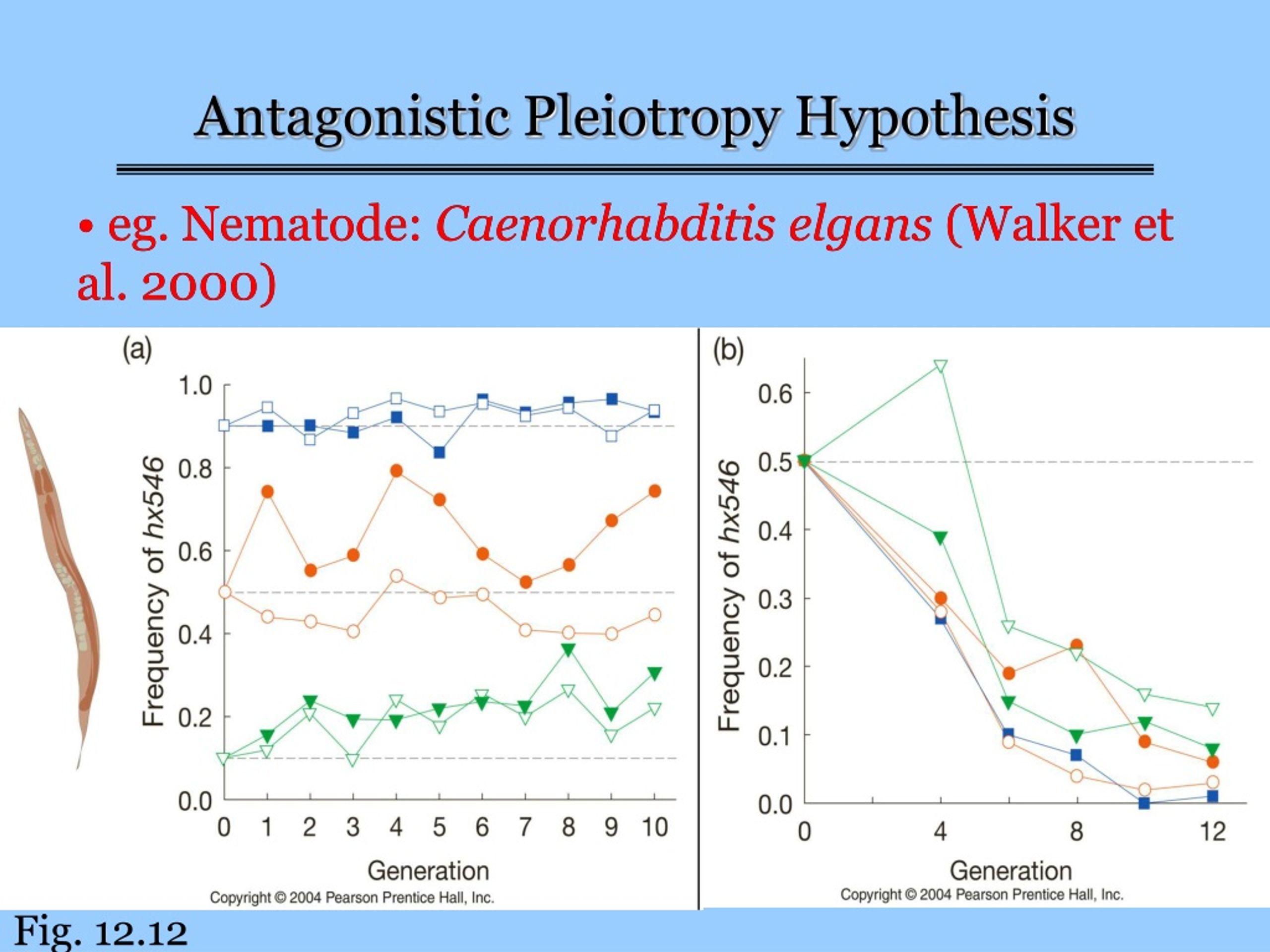
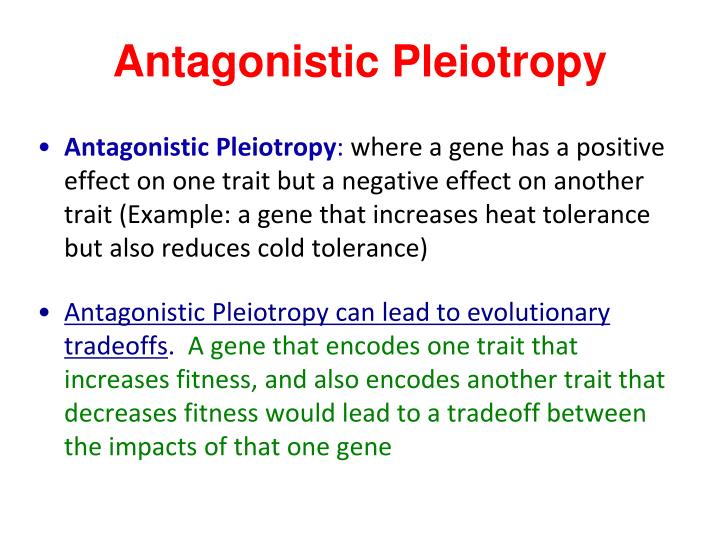
The study provides empirical evidence for the theory of “Antagonistic Pleiotropy” (APT). This theory suggests that certain genes provide evolutionary advantages during a subject’s youth but become detrimental as the organism ages, leading to physical decline and disease.
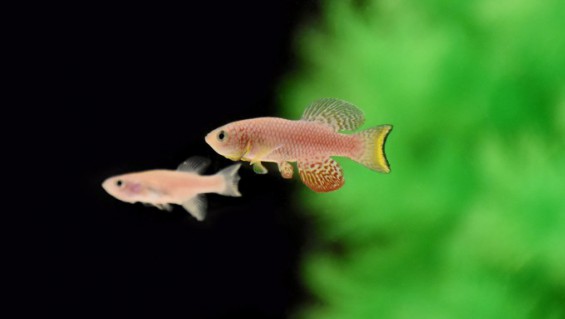
To test this, the researchers focused on the African turquoise killifish, identifying the vgll3 gene as a primary driver of this process. Using gene-editing technology to manipulate the vgll3 switch, the team observed that fish induced to grow rapidly gained a competitive edge in reproduction.
However, this early advantage came with a significant cost. In the later stages of their lives, these same fish exhibited an increased rate of age-related tumors and a shortened overall lifespan.
The “Selfish Gene” Perspective
The findings align with the logic presented in Richard Dawkins’ renowned work, The Selfish Gene. The premise suggests that genes utilize organisms merely as vehicles for their own replication and spread.
According to this perspective, genes prioritize the transmission of genetic material to the next generation over the individual’s long-term health, happiness, or longevity. Professor Harel noted that nature does not prioritize long life, but rather continuity through reproduction.
Harel further explained that humans are essentially designed for a “short sprint” rather than a marathon, describing cancer not as a random accident, but as a trade-off for the vitality experienced in youth.
Implications for Human Health
Because the vgll3 gene is also present in humans, this discovery could enhance the understanding of human development, aging, and the onset of disease. It may provide critical clues for developing cancer prevention strategies and methods to extend the healthy human lifespan.
Further analysis confirmed that vgll3 influences core biological processes, including DNA repair, stem cell activity, and cell division.
Future Research Directions
The research team intends to explore whether the beneficial effects of vgll3 in early life can be separated from its harmful effects in old age. A possible next step involves investigating if the signals that lead to cancer and aging could be blocked without sacrificing early-life vitality.
Frequently Asked Questions
What is the Antagonistic Pleiotropy (APT) theory?
APT is the theory that genes which provide benefits during youth can later cause disease and physical decline in old age.
How did the vgll3 gene affect the killifish in the study?
The gene promoted faster growth and better reproductive competitiveness in early life, but later increased the incidence of age-related tumors and shortened the fish’s lifespan.
Why is this research relevant to humans?
Since the vgll3 gene also exists in humans, the study could lead to new insights into human aging and the development of ways to prevent cancer or extend healthy lifespans.
If the biological cost of youth is inevitable aging, would you prioritize early-life vitality or long-term longevity?