
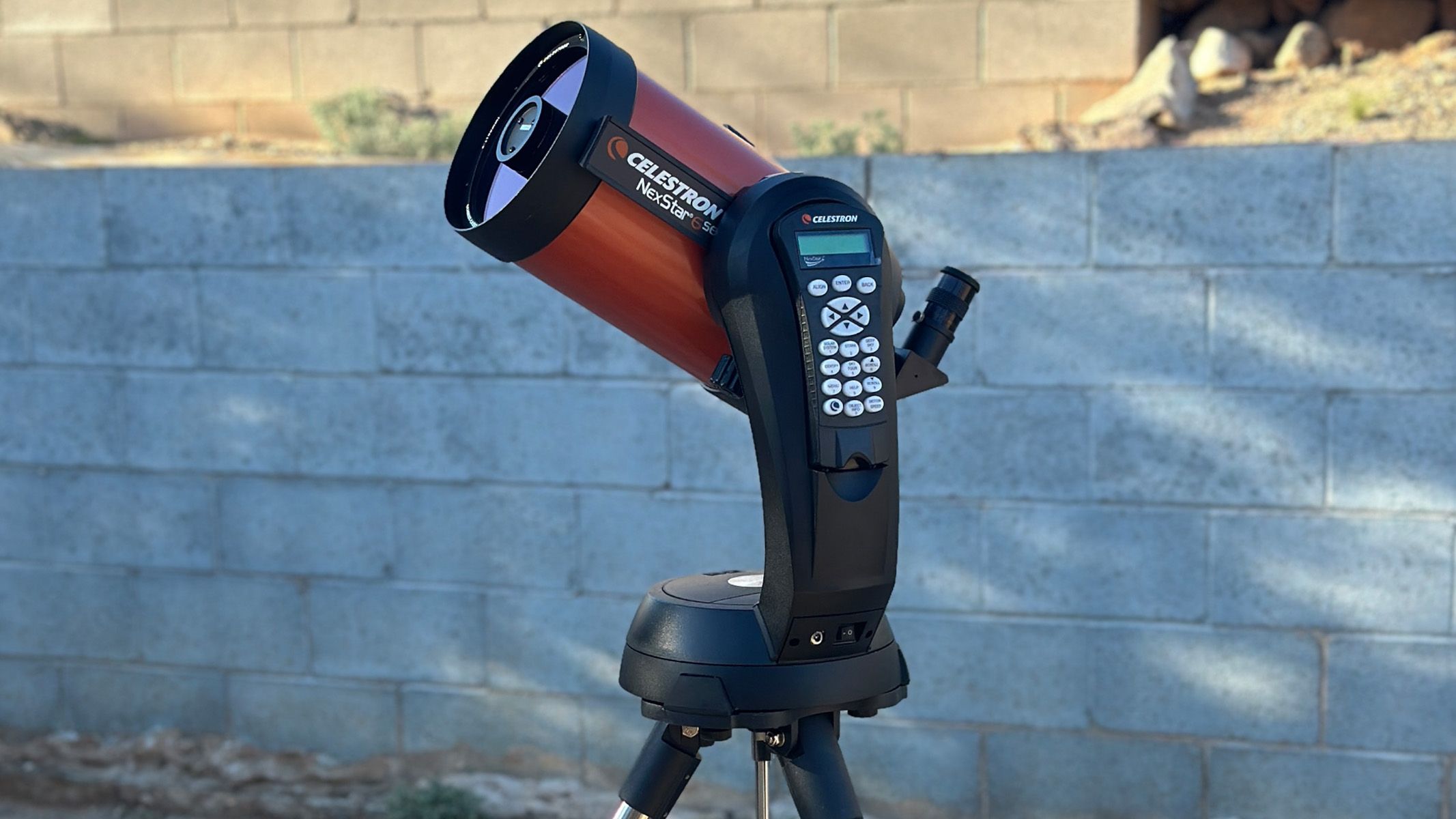
Celestron NexStar 6SE Telescope Review: Performance and Verdict
The Celestron NexStar 6SE remains a fixture in the world of amateur astronomy, serving as a bridge between entry-level equipment and more advanced observational tools. Originally introduced in the late 1990s as a response to the Meade LX series, this line of Schmidt-Cassegrain telescopes was engineered to provide a user-friendly, computerized experience for those navigating the night sky.
Positioned as the middle model in its series, the 6SE features a 6-inch aperture. This design choice balances the need for sharp, detailed views of solar system and deep-sky objects with the practical requirements of portability and cost. While it has remained largely unchanged since 2008, aside from minor software updates, it continues to maintain a significant following among both beginner and intermediate astronomers.
Design and Functionality
The 6SE utilizes a 6-inch f/10 Schmidt-Cassegrain optical system. While primarily designed for planetary viewing and imaging due to its long focal length, the telescope can be adapted for deep-sky work using a focal reducer or specialized imaging equipment. The system relies on an alt-azimuth GoTo mount that, once aligned using two or three stars, can automatically locate over 40,000 celestial objects stored in its internal database.
Setup is designed to be efficient, typically requiring only 5 to 10 minutes. However, the system is strictly motorized; it cannot be aimed manually without risking damage to the tracking and pointing accuracy. Users can choose to operate the telescope via the standard hand controller or by integrating a WiFi adapter to control the unit through mobile applications.
Performance and Considerations
Optically, the 6SE is capable of rendering clear details, including lunar craters, cloud bands on Jupiter, and the rings of Saturn. It’s also effective for splitting double stars. Despite its performance, the telescope is not intended for high-precision deep-sky imaging, as the mount may struggle with backlash or the weight of heavier equipment.
Looking ahead, future iterations of the NexStar series may incorporate updated GoTo systems to address the limitations found in the current technology. For those currently seeking alternatives, the market offers various configurations, such as the Sky-Watcher Virtuoso GTi 150P for those wanting manual aiming capabilities, or the Celestron StarSense Explorer series for users preferring larger apertures on traditional Dobsonian mounts.
Frequently Asked Questions
Is the NexStar 6SE suitable for beginners?
Yes, its portability and automated GoTo system make it a popular choice for beginners, provided they have a sufficient budget to support the purchase.

Can I move the telescope by hand if the battery dies?
No. The 6SE cannot be aimed manually, and attempting to move it by hand can damage the motorized pointing and tracking accuracy of the mount.
What kind of celestial objects can I see with this telescope?
The 6SE is capable of viewing solar system targets like the moon, Mars, Jupiter, and Saturn, as well as various deep-sky objects including open clusters and bright nebulae.
What specific features do you prioritize most when selecting a telescope for your own stargazing sessions?