

Chemtec: Committed to nanotechnology for industrial paints
For decades, the industrial coating sector has been a sleeping giant. While the world moved toward digitalization and AI, the actual chemistry used to treat metal surfaces remained frozen in time. Many factories are still relying on phosphating processes developed over 50 years ago—systems that, while functional, are environmental nightmares.
The emergence of nanotechnology, championed by innovators like Chemtec, is finally breaking this stagnation. We are witnessing a paradigm shift where “legacy” no longer means “reliable,” but rather “inefficient.” The future of industrial painting isn’t just about the color on the surface; it’s about the molecular engineering happening beneath it.
The Death of the ‘Heat-and-Treat’ Era
Traditionally, metal pretreatment required massive amounts of energy to heat chemical baths. This “heat-and-treat” cycle is a significant contributor to a factory’s carbon footprint. The shift toward room-temperature nanotechnology, such as the Torran 3 Platformization, is changing the math for plant managers.
By eliminating the need for heating, companies aren’t just saving on electricity; they are reducing the thermal stress on their equipment and improving worker safety. When you remove the need for boiling chemical vats, you fundamentally change the risk profile of the shop floor.
Beyond Efficiency: The Rise of Green Chemistry
The industrial world is currently under immense pressure to meet ESG (Environmental, Social and Governance) goals. The transition from heavy-metal-based pretreatments to nano-solutions is a critical step toward sustainable manufacturing.
Future trends indicate a move toward “closed-loop” systems. In these setups, water is not just treated and dumped, but recycled indefinitely. Because nanotechnology requires fewer harsh chemicals and less water, the cost of implementing these circular water systems drops significantly.
Key Environmental Shifts to Watch:
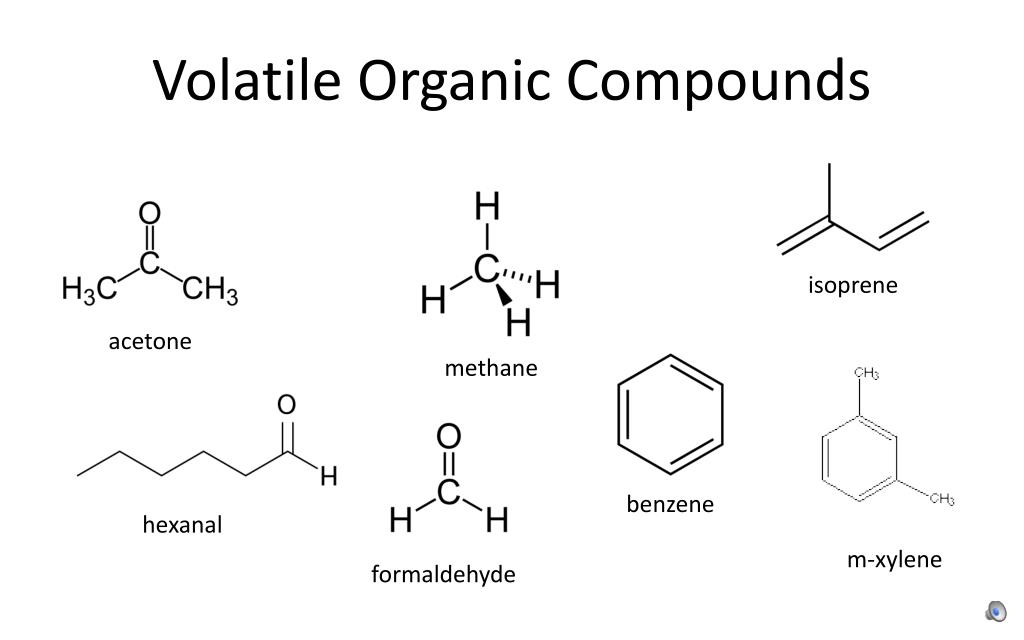
- VOC Reduction: A move toward zero Volatile Organic Compounds to improve air quality.
- Heavy Metal Phase-out: Replacing zinc and chrome with organic nano-layers.
- Water Neutrality: Implementing “dry” or low-moisture pretreatment processes.
The Next Frontier: Smart and Functional Coatings
If the current trend is about removing* the bad (sludge, heat, waste), the next trend is about adding* the intelligent. We are moving toward a world of “functional surfaces.”
Imagine an industrial coating that doesn’t just prevent rust, but actually signals when the underlying metal is beginning to fatigue. By integrating nano-sensors into the pretreatment layer, the paint becomes a diagnostic tool. This is the intersection of nanotechnology and the Industrial Internet of Things (IIoT).
Real-World Impact: The Cost of Inaction
Consider the automotive and aerospace sectors. A shift to room-temperature nano-coatings can reduce the energy overhead of a pretreatment line by up to 40%. In a high-volume environment, this translates to millions of dollars in annual savings.
as governments tighten regulations on heavy metal discharge, companies clinging to 50-year-old tech face a “regulatory cliff.” The cost of upgrading to nanotechnology today is a fraction of the potential fines and shutdown costs of tomorrow. You can read more about industrial innovation trends to see how other sectors are pivoting.
Frequently Asked Questions
Q: Is nanotechnology more expensive to implement than traditional phosphating?
A: While the initial chemical transition may have a cost, the ROI is typically rapid due to the total elimination of heating costs and a massive reduction in waste disposal fees.
Q: Does room-temperature treatment provide the same adhesion as heated processes?
A: Yes. In many cases, nano-solutions provide superior molecular bonding, creating a more durable interface between the metal and the paint than legacy chemical layers.
Q: How does this impact the lifespan of the final product?
A: Nanotechnology creates a denser, more uniform barrier against corrosion, which often extends the lifecycle of the industrial component compared to traditional methods.
Join the Conversation
Is your facility still relying on legacy pretreatment systems, or have you made the jump to nano-tech? We want to hear your experience with energy savings and implementation challenges.
Leave a comment below or subscribe to our newsletter for the latest insights into industrial chemistry!