
Chikungunya Virus Could Spread to Europe and North America by 2100
The chikungunya virus, a condition long associated with tropical climates, may be shifting its geographical reach. As global temperatures rise, new research indicates that the disease could expand into temperate regions, including parts of North America and Europe, by the year 2100.
Currently classified as a “neglected tropical disease” by the World Health Organization, chikungunya causes severe symptoms, including high fever, intense joint pain and extreme fatigue. While the virus is not yet endemic in North America or Europe—with most cases involving travelers returning from tropical zones—the landscape of the disease is changing.
The Role of the Tiger Mosquito
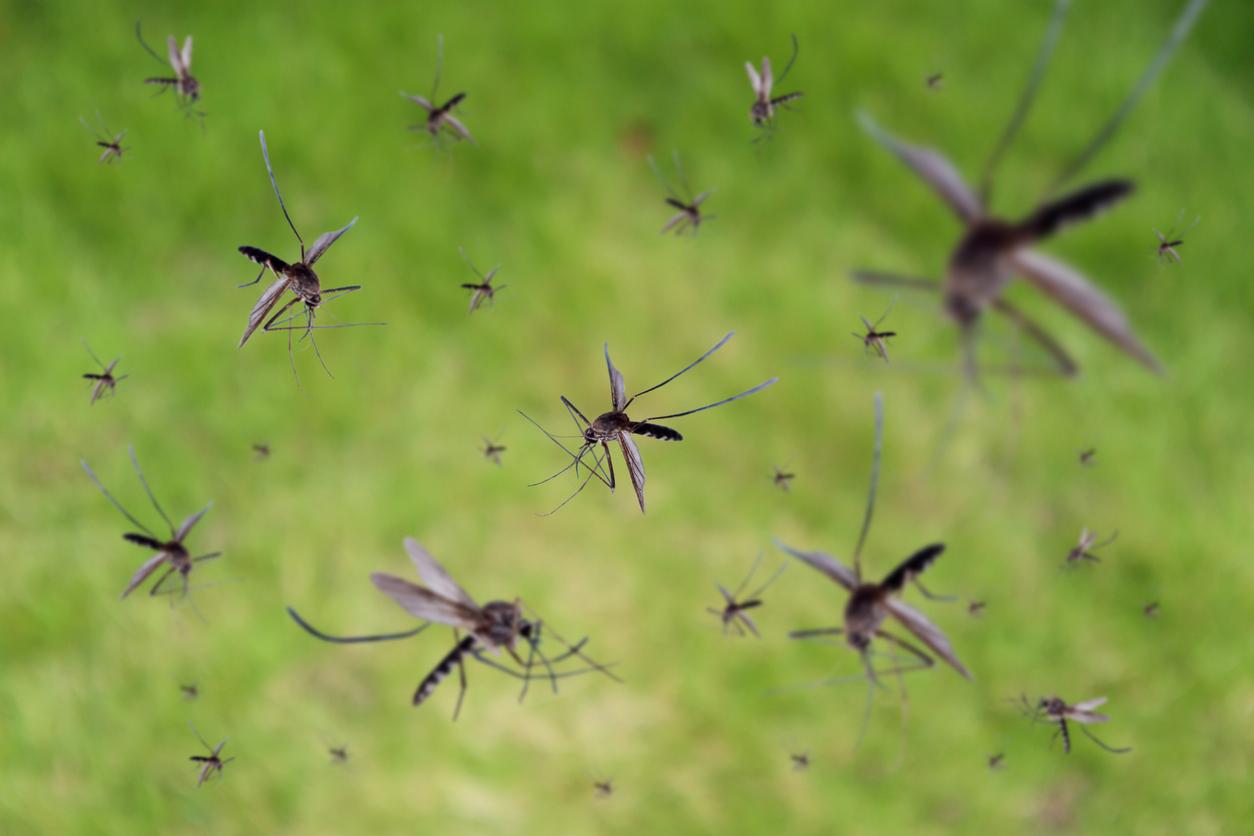
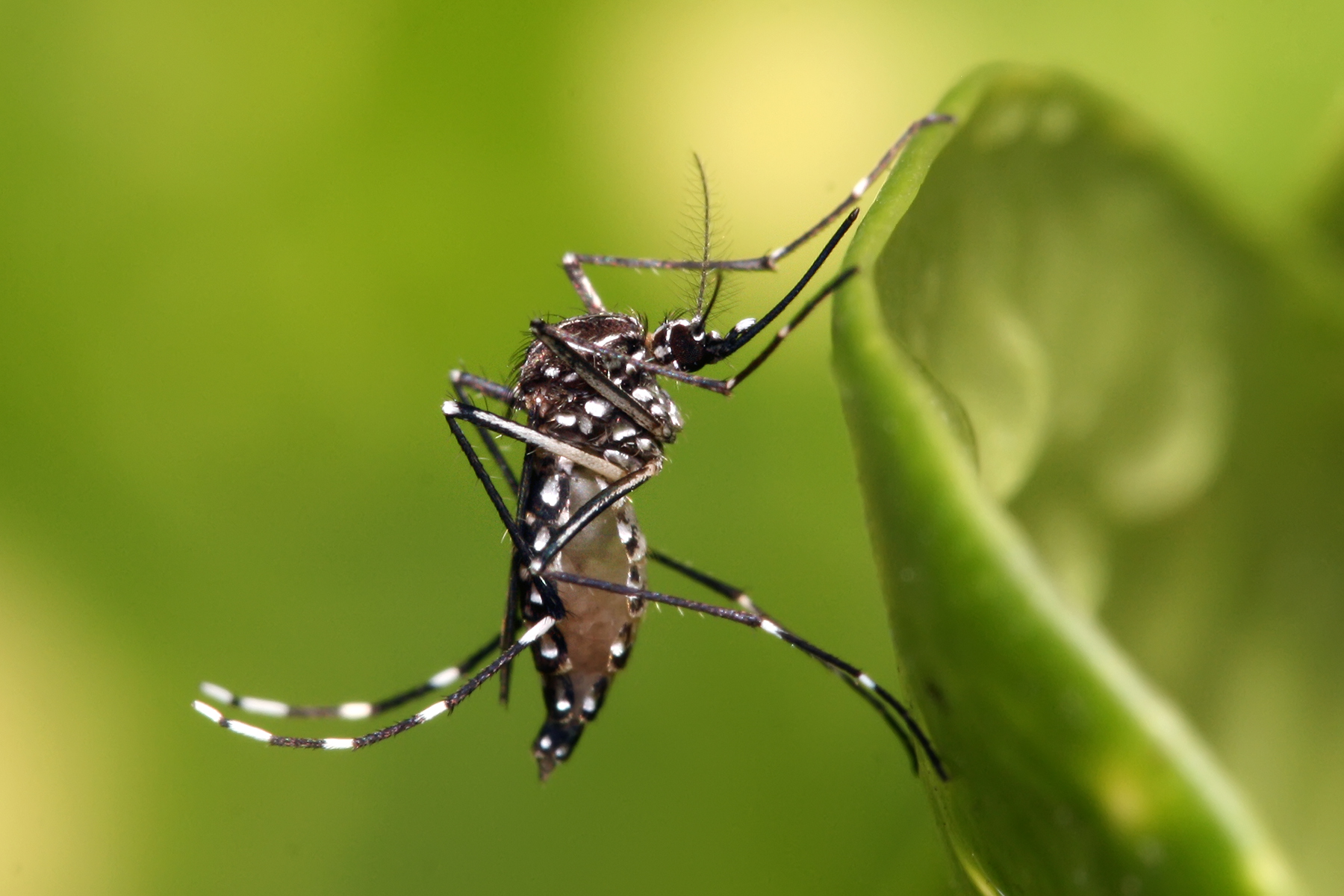
The expansion of the virus is closely tied to the movement of Aedes mosquitoes. Specifically, researchers point to the Asian tiger mosquito, Aedes albopictus, as a primary driver of this potential spread. Unlike other vectors, this species is better equipped to survive in temperate climates.

The relationship between the virus and the tiger mosquito underwent a significant shift during the 2005–2006 outbreaks in India, Mauritius, and La Réunion. Scientists identified a specific viral mutation, known as “E1-A226V,” which enhanced the ability of the tiger mosquito to transmit the virus. This adaptation is estimated to account for more than 70% of the predicted distribution of the disease.
Projecting Future Risks
By utilizing tens of thousands of geolocated data points and 16 climate scenarios from the IPCC, researchers from the Zhejiang Chinese Medical University have modelled the potential trajectory of the virus through the end of the century. Their findings suggest that Central Europe, Northeast North America, and East Asia could become future hotspots for the virus.
While these projections highlight a significant environmental shift, health experts emphasize that there is no cause for immediate public panic. Instead, the focus remains on proactive preparation within medical and public health systems.
Preparing for the Future
To address these risks, researchers recommend that health authorities implement comprehensive strategies well in advance of any potential shifts. This includes strengthening the monitoring of Aedes mosquito populations and ensuring that physicians are trained to recognize the specific symptoms of the virus early.
Developing structured intervention plans before localized outbreaks occur is considered a vital step in managing the potential emergence of the disease in new territories. By acting early, health systems may be better positioned to handle the challenges posed by this evolving environmental threat.
Frequently Asked Questions
What are the primary symptoms of chikungunya?
The virus causes high fever, intense joint pain, and extreme fatigue.
Why is the tiger mosquito a concern for temperate regions?
The Asian tiger mosquito, Aedes albopictus, is capable of surviving in temperate climates, unlike other mosquito species that historically transmitted the virus in tropical areas.
What steps are recommended to prepare for a potential spread?
Researchers recommend that authorities strengthen the surveillance of Aedes mosquitoes, train medical professionals to identify symptoms quickly, and create intervention plans before outbreaks occur.
How might your local community monitor changes in local insect populations as climate patterns shift?