
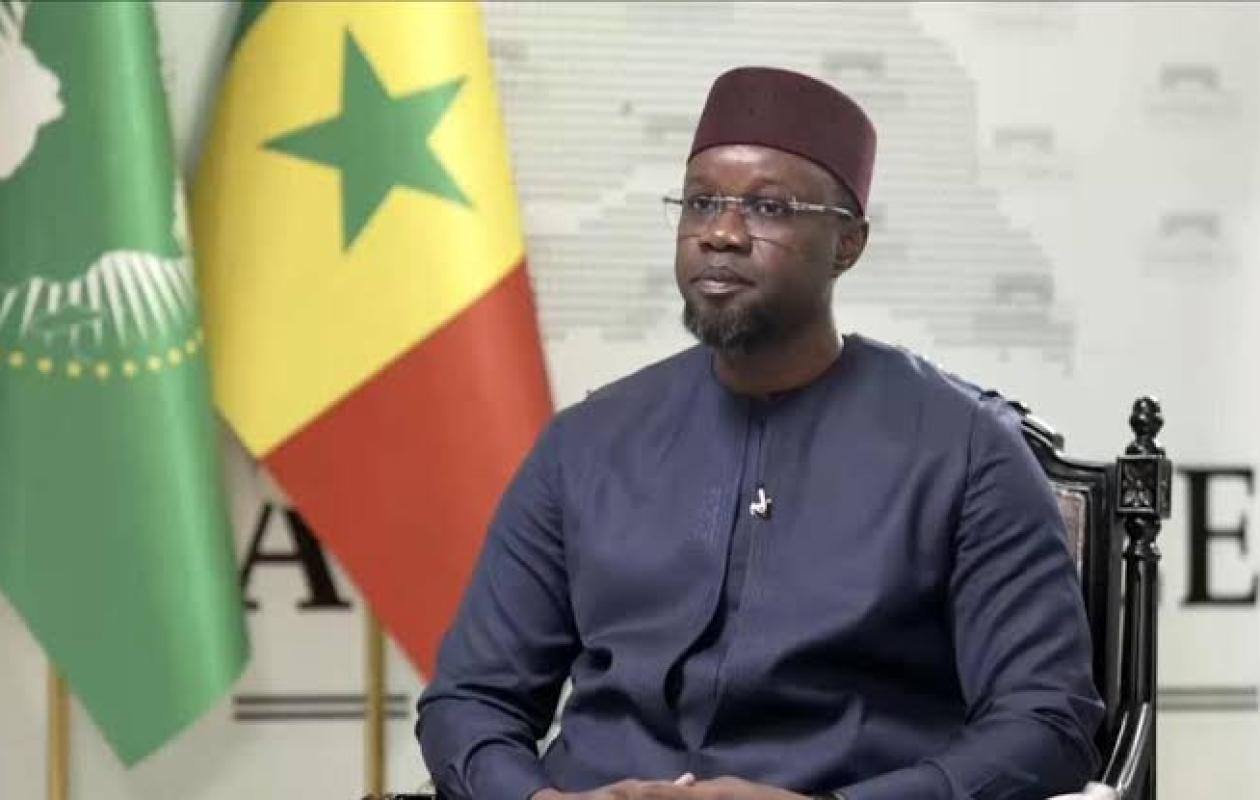
Economist Defends Ousmane Sonko’s Position on Senegal’s Public Debt
Professor Amath Ndiaye of the University Cheikh Anta Diop of Dakar states that Ousmane Sonko’s recent comments on RFI and France 24 do not constitute a reversal of his political convictions. Ndiaye argues Sonko maintains his stance on “hidden” and “odious” debt but faced institutional limits while serving as Prime Minister.
The analysis comes as a response to accusations of political backtracking following Sonko’s international media appearances. Professor Ndiaye, a teacher at the Faculty of Economics and Management (FASEG-UCAD), published a detailed clarification on June 18, 2026, to address the semantic and institutional nuances of the President of the National Assembly’s discourse.
Why Ousmane Sonko’s stance on hidden debt remains unchanged
Ousmane Sonko did not deny the existence of hidden debt during his interviews, according to Professor Amath Ndiaye. The academic notes that Sonko never contested the findings of audits and investigations conducted by competent authorities.
Ndiaye asserts it is false to claim the Pastef leader retreated from his position. He argues that Sonko’s statements did not challenge the irregularities identified in the management and accounting of public debt.
How “odious debt” fits into Sonko’s economic analysis
Professor Ndiaye maintains that Sonko remained consistent with his ideological line regarding “odious debt.” Sonko indicated during the interviews that he had addressed this issue several times while serving as a party leader.
The academic highlights that Sonko affirmed his belief that a portion of the debt remains odious. Consequently, Ndiaye concludes that the politician neither rejected the notion nor abandoned his previous analysis of specific components of public borrowing.
How institutional constraints limited action during Sonko’s premiership
The distinction between the role of an opposition leader and a head of government is central to Ndiaye’s analysis. Sonko explained that as Prime Minister, he did not possess all the necessary “levers” to pursue debt cancellation.
Ndiaye writes that these institutional limits are particularly acute when the state faces major legal, financial, and diplomatic implications. He argues that the difference in Sonko’s tone reflects the gap between a party leader’s freedom of speech and the constraints of a government official.
Potential future developments
Given Ndiaye’s analysis, the administration could continue to distinguish between ideological goals and institutional capabilities. Future discussions regarding public debt may likely focus on the specific “levers” required to address odious debt within international legal frameworks.

The government may also face continued scrutiny from detractors who view the distinction between political rhetoric and administrative action as a double discourse.
Frequently Asked Questions
Did Ousmane Sonko deny the existence of hidden debt?
No. According to Professor Amath Ndiaye, Sonko did not contest the existence of hidden debt revealed by official audits and investigations.
What is the definition of “odious debt” mentioned in the analysis?
In international law, odious debt refers to loans that were contracted against the interests of the population.
Why didn’t Sonko cancel the debt while serving as Prime Minister?
According to the source, Sonko explained that as a “simple Prime Minister,” he lacked the necessary institutional levers to act on such a move due to significant legal, financial, and diplomatic implications.
Do you believe the constraints of government office naturally necessitate a change in how leaders address national debt?