

China Executes Killer of Three-Body Problem Gaming Tycoon
The Dark Side of the Gaming Boom: Corporate Espionage and the Future of Intellectual Property
The recent execution of Xu Yao for the poisoning of Yoozoo Games founder Lin Qi has sent shockwaves through the global entertainment industry. While the case is a tragic conclusion to a professional dispute, it exposes a growing, uncomfortable reality: as intellectual property (IP) values skyrocket, the stakes for corporate control have reached lethal levels.
Lin Qi, the visionary behind the adaptation rights for Liu Cixin’s The Three-Body Problem, was at the centre of a multibillion-dollar empire. His death serves as a grim reminder that in the high-stakes world of streaming deals and global franchises, the line between business rivalry and criminal desperation is thinning.
The Rise of “Prestige IP” and Corporate Volatility
The streaming wars have turned science fiction masterpieces into the new “gold rush.” With Netflix’s 3 Body Problem series, the value of the franchise exploded. When an asset is this valuable, it attracts not just investors, but ego, internal power struggles, and, as we have seen, lethal ambition.
We are entering an era where IP is often more valuable than the companies that hold it. This creates a “founder-dependency” risk. When a single individual controls the rights to a global phenomenon, they become a target—not just for hostile takeovers, but for internal sabotage.
Did you know?
The Three-Body Problem trilogy has been translated into over 40 languages. Its cultural impact is so significant that it has spurred a massive surge in the Chinese science-fiction industry, influencing everything from high-end video games to national science education initiatives.
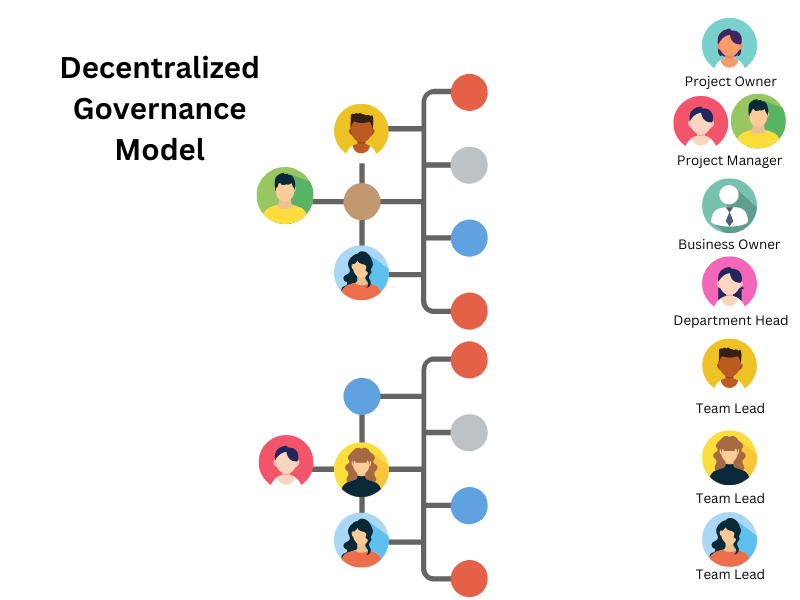
Mitigating Risks in the Era of High-Stakes Entertainment
How do modern tech and media companies protect their leadership and their assets from internal threats? The answer lies in shifting away from centralized power structures.
- Decentralized Governance: Companies are increasingly moving toward board-led decision-making rather than relying on a single “visionary” founder to navigate high-stakes negotiations.
- Enhanced Executive Protection: For CEOs managing billion-dollar IP portfolios, security now extends beyond physical bodyguards to include rigorous internal auditing of disgruntled staff and sensitive project access.
- Transparent IP Management: By utilizing blockchain and distributed ledgers, firms are finding ways to make IP ownership more transparent, reducing the incentive for individual employees to manipulate or “claim” success for personal leverage.
The Future of Global Sci-Fi Franchises
Despite the tragedy surrounding the Three-Body Problem rights, the industry shows no signs of slowing down. The trend is moving toward “Transmedia Storytelling”—where a story is simultaneously told across video games, streaming platforms, and immersive VR experiences. This complexity requires larger teams, which naturally dilutes the power of any single individual, potentially acting as a safeguard against the kind of isolation that fueled the Yoozoo Games tragedy.
For investors and fans alike, the lesson is clear: the success of a franchise is no longer just about the quality of the writing; it’s about the stability of the organization behind the screen. As we look ahead, expect to see more rigorous oversight and stricter “key man” insurance clauses in entertainment contracts.
Frequently Asked Questions
What was the motive behind the Yoozoo Games poisoning?
Reports suggest the perpetrator, Xu Yao, felt sidelined and professionally disrespected after playing a key role in securing the Netflix deal for The Three-Body Problem.
What is the significance of the Three-Body Problem?
It is widely considered one of the most important science fiction works of the 21st century, making its creator, Liu Cixin, the first Chinese author to win the Hugo Award.
How can companies prevent workplace violence?
Companies should prioritize mental health support, clear conflict resolution pathways, and fostering a culture of recognition to prevent the buildup of resentment in high-pressure environments.
What are your thoughts on how the entertainment industry handles high-value intellectual property? Share your perspective in the comments below, or subscribe to our weekly industry analysis newsletter for more deep dives into the intersection of tech, and culture.