
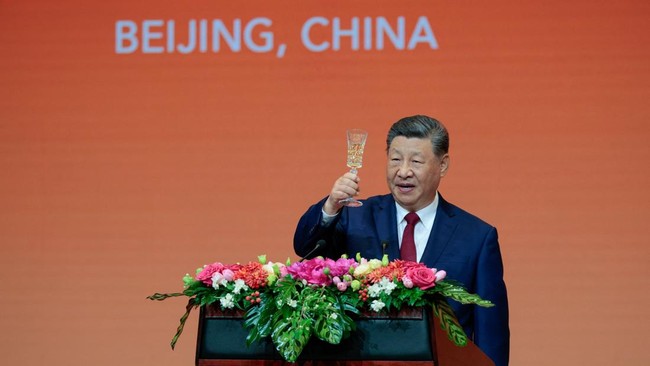
China Imposes Critical Mineral Export Restrictions on Japan
The Weaponization of Trade: Why the Rare Earth Conflict is Only the Beginning
For decades, the global economy operated on the principle of interdependence—the idea that countries so entwined by trade would be less likely to engage in conflict. However, the recent escalation in export restrictions on critical minerals between China and Japan signals a paradigm shift. We are moving from an era of “efficiency-first” supply chains to one of “security-first” strategic autonomy.
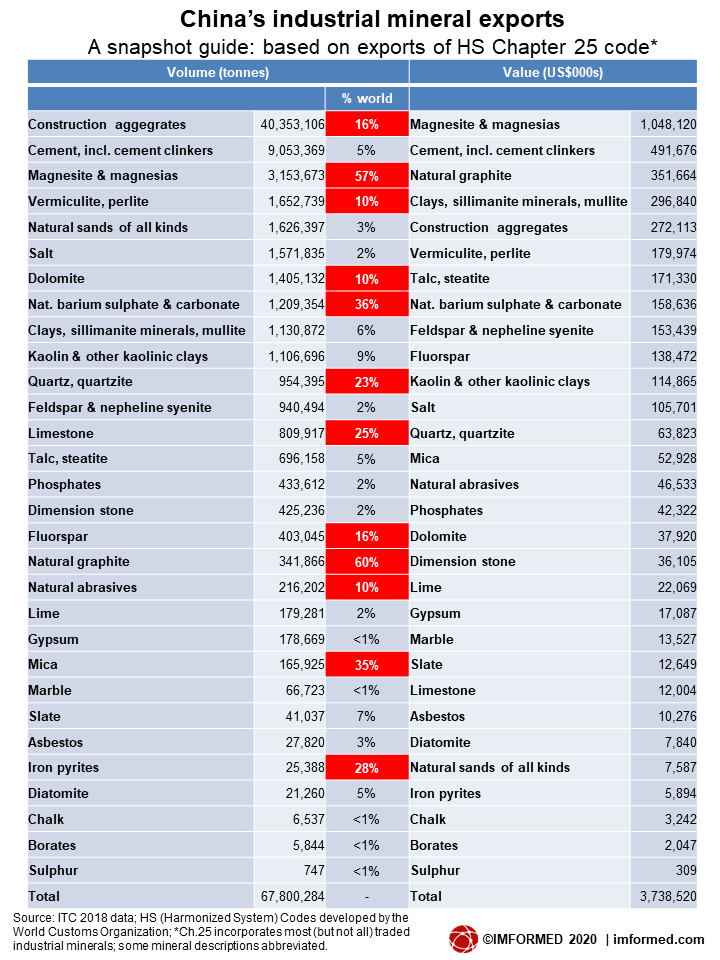
When Beijing restricts the flow of rare earth elements (REEs) like dysprosium and terbium, it isn’t just a trade dispute; It’s a demonstration of economic coercion. By targeting “dual-use” items—materials that serve both civilian and military purposes—China is effectively using its monopoly on the periodic table to influence the sovereign defence policies of its neighbours.
The Rise of ‘Friend-Shoring’ and Mineral Alliances
The immediate future will be defined by “friend-shoring”—the practice of relocating supply chains to countries that share similar political values. Japan’s pivot toward the United States and the G7 is a textbook example of this trend. We are seeing the birth of “Mineral Security Blocs” designed to bypass the “China bottleneck.”
Expect to see more formal agreements similar to the Minerals Security Partnership (MSP), where nations coordinate investment in mining and processing projects in Australia, Canada, and Vietnam. The goal is no longer just to find new mines, but to build the entire ecosystem—from extraction to high-tech magnet production—outside of Chinese influence.
For instance, the strengthening ties between Tokyo, Washington, and Manila suggest that mineral security is now being integrated into broader regional security frameworks. When energy and defence are linked, a shortage of terbium becomes a national security crisis, not just a corporate procurement issue.
The Shift Toward ‘Circular’ Mineral Economies
As the cost of importing critical minerals rises due to geopolitical premiums, the industry is pivoting toward urban mining. This involves the aggressive recycling of rare earths from old electronics, electric vehicle (EV) motors, and wind turbines.
Future trends indicate that Japan and the EU will lead the way in “closed-loop” systems. Instead of relying on new shipments from overseas, companies will invest in chemical processes to recover 95% or more of the rare earths from end-of-life products, effectively creating a domestic “mine” made of recycled waste.
Technological Substitution: The Ultimate Counter-Measure
History shows that when a resource is weaponized, the market innovates to eliminate the need for that resource. The “Rare Earth War” is accelerating the development of substitution technologies. We are likely to see a surge in material science breakthroughs aimed at reducing reliance on heavy rare earths.
For example, Tesla and other EV giants have already begun exploring permanent magnet motors that use zero rare earths. While these alternatives currently may offer slightly lower efficiency, the geopolitical risk of a total supply cutoff makes them an attractive long-term bet. The “innovation race” is now a tool of national defence.
This trend extends to the semiconductor industry. With restrictions on gallium and germanium, the push for new substrate materials for high-frequency chips is no longer just about performance—it’s about survival in a fractured global market.
The Geopolitical Ripple Effect: A New Blueprint for Conflict
The strategy employed by Beijing—using supply chain dominance to punish diplomatic shifts—provides a blueprint for other nations. We may see similar “mineral diplomacy” involving cobalt from the DRC or lithium from the “Lithium Triangle” in South America.
For the United States and its allies, In other words that military deterrence is no longer enough. A nation can have the most advanced stealth fighters in the world, but if they cannot source the magnets for the actuators or the semiconductors for the radar, those assets are grounded. The future of warfare is as much about the supply chain as it is about the battlefield.
As Japan continues to increase its defence spending toward 2% of its GDP and eases arms exports, the tension will likely fluctuate between sharp sanctions and strategic pauses. This “cat-and-mouse” game will define the Asia-Pacific economic landscape for the next decade.
Frequently Asked Questions (FAQ)
What are rare earth elements and why are they critical?
Rare earths are a group of 17 elements used to create powerful permanent magnets, catalysts, and phosphors. They are essential for everything from smartphones and EV batteries to precision-guided missiles and jet engines.

Why does China have so much control over these minerals?
While these minerals exist globally, China invested heavily in the infrastructure for mining and, more importantly, the complex chemical refining processes required to make them usable, giving them a near-monopoly on the supply chain.
Will these export bans lead to higher prices for consumers?
In the short term, yes. Supply shocks typically lead to price volatility for high-tech goods. However, in the long term, this encourages the development of cheaper, synthetic alternatives and more efficient recycling methods.
How is Japan responding to these pressures?
Japan is diversifying its sources of minerals, strengthening its security alliance with the US and G7, and investing in domestic recycling and substitution technologies.
Join the Conversation
Do you believe economic interdependence still prevents war, or has trade simply become a new weapon of conflict? Let us know your thoughts in the comments below or subscribe to our newsletter for deep dives into the intersection of geopolitics and technology.