
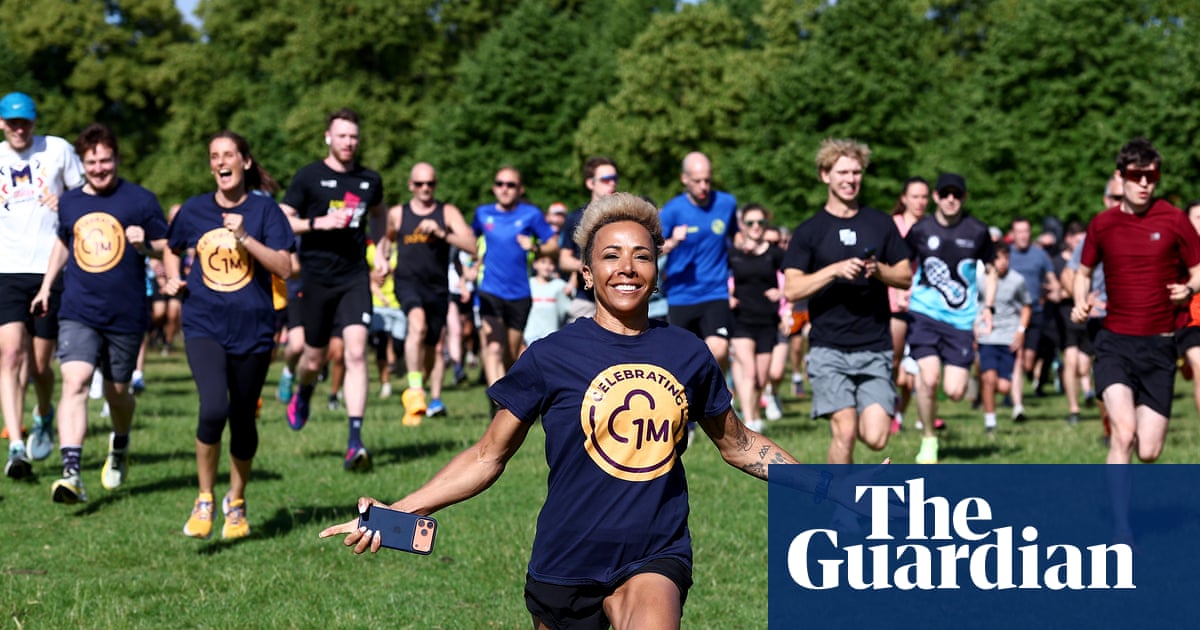
parkrun Celebrates Millionth Event and Global Community Impact
The millionth parkrun event was held this past Saturday at Bushy Park in west London, marking two decades of community-focused, volunteer-led exercise. Founded in 2004 by Paul Sinton-Hewitt, the organization has expanded from a 13-person gathering into a global movement operating at 2,800 locations with over 12 million registered participants. The event, which drew former Olympic champion Dame Kelly Holmes and thousands of local attendees, serves as a cornerstone for community cohesion and public health initiatives.
Did You Know? The parkrun movement began in October 2004 in Teddington with just five volunteers and a small group of 13 runners, long before it became a global fixture in parks, seafronts, and prisons.
How the movement influences public health
Parkrun is increasingly integrated into medical practice, with more than 2,100 GP surgeries in the UK now using “social prescribing” to encourage patients to participate. According to research from Sport England, this regular physical activity is linked to reductions in conditions such as diabetes and depression, while simultaneously lowering the frequency of hospital and GP visits. Global chief executive Elizabeth Duggan notes that these outdoor events provide a “spiritual home” for participants, offering a consistent routine that fosters mental and physical well-being.
Why the community model succeeds
The success of the program relies on an organic growth model rather than commercial branding, according to Elizabeth Duggan. By maintaining a volunteer-run structure at the local level, the organization creates a space that is accessible to a broad demographic, including children and octogenarians. The inclusive nature of the event is reflected in its diverse participant base, where roughly one in five runners describe themselves as inactive at the time of registration. This accessibility is further extended to the criminal justice system, where 25 prisons and young offender institutions host events to aid in rehabilitation.
Expert Insight: The shift toward slower finish times suggests that parkrun is successfully prioritizing health outcomes over athletic competition. By attracting a significant portion of participants from lower socioeconomic backgrounds, the model effectively addresses health inequities that often prevent these groups from engaging in traditional organized sports.
What happens next for the organization
Moving forward, the charity plans to increase its focus on reaching diverse communities, particularly those from lower socioeconomic backgrounds who are statistically more likely to be inactive. By specifically targeting these populations, organizers expect to broaden the health impact of the program across the nation. While the event remains a fixture for runners of all speeds, the focus on community connection is likely to remain the primary driver for future expansion into new territories and institutions.
Frequently Asked Questions
Who founded parkrun?
The event was founded by Paul Sinton-Hewitt in October 2004 at Bushy Park, Teddington.
How many people are currently registered for parkrun?
There are more than 12 million people registered to take part in events across 2,800 global locations.
How does parkrun support people in custody?
There are approximately 25 prisons and young offender institutions that host events, involving over 12,000 people in custody as part of programs designed to support rehabilitation.
Have you participated in a community-led fitness event in your local area?